
TL;DR

Get garden gear delivered free — and shop member deals
- Fast, free delivery on millions of items
- Access to Prime Big Deal Days deals on October 6–7
- Prime Video, Amazon Music and more included
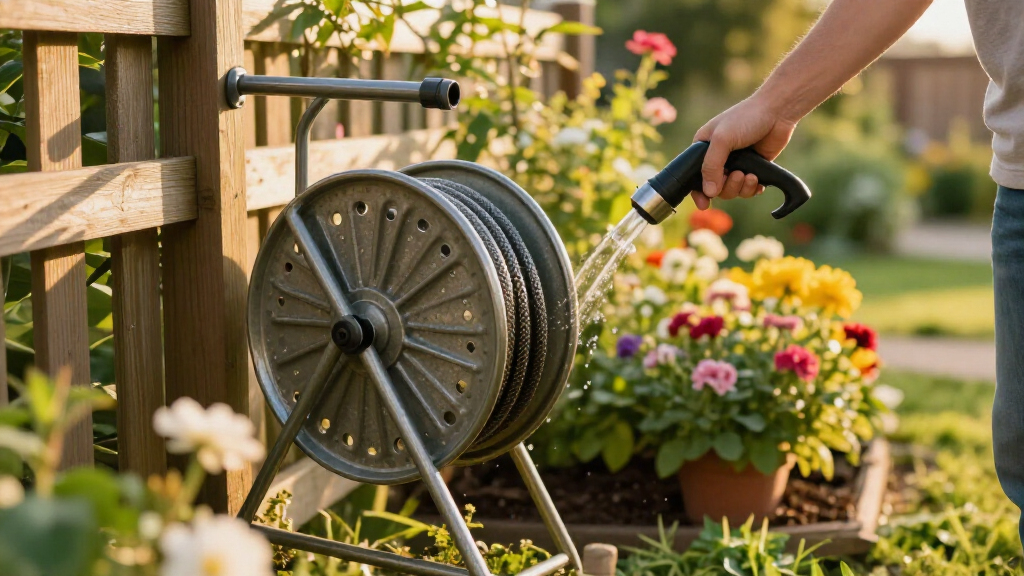
A garden hose reel keeps your hose organized, prevents tangles, and extends its lifespan. Picking the right reel depends on hose size, space, and usage, with options from manual to motorized models. Proper installation and maintenance are key to hassle-free watering.
Always choose a reel rated for your hose’s length and diameter, with some extra capacity for ease of winding.
Proper installation—secured to a sturdy wall at a comfortable height—extends your reel’s lifespan.
Regular maintenance, like tightening fittings and draining winter water, prevents leaks and damage.
Modern reels incorporate safety features and innovations like slow retraction and layered winding for better durability.
Avoid pressurizing the hose when not in use, and guide it carefully during retraction to prevent accidents.
What Are the Main Types of Garden Hose Reels and Which One Fits You?
Garden hose reels come in several styles, each suited to different needs. Manual reels are the simplest—just turn a crank to wind your hose. They’re affordable and easy to repair, making them a practical choice for smaller yards or infrequent watering, but they require manual effort each time you wind or unwind the hose. Spring-retractable reels use an internal spring mechanism that pulls the hose back automatically, providing convenience and reducing effort. However, their durability depends heavily on quality; cheaper models may wear out quickly, leading to frustrating failures. Motorized reels are the premium option—powered by electricity or batteries, they eliminate manual winding altogether, which is especially beneficial if you have a large yard or heavy hoses. Yet, they come with higher costs and maintenance considerations, like battery replacement or electrical safety. Choosing between these depends on your yard size, physical ability, and budget.
Additional considerations include wall-mounted reels that save ground space and can swivel to follow your watering path, which enhances usability by making it easier to reach all areas without moving the entire reel. Portable carts with wheels are ideal for moving hoses around larger properties or uneven terrain, giving you flexibility and control over where and how you water. Freestanding boxes or decorative pots serve a dual purpose of storage and aesthetic appeal, often blending into garden decor; however, they may require more effort to wind and unwind, and their mechanisms might not be as smooth or reliable as wall-mounted or portable options. Some reels are purely decorative, designed to keep the hose off the ground but lacking features like rotation or automatic retraction, which can limit their functionality. The key is to evaluate your yard size, hose length, how often you water, and your aesthetic preferences to select a reel that simplifies your routine and fits your environment. Making the right choice here can reduce frustration, save time, and extend the life of your hose by preventing unnecessary wear caused by improper storage or handling.
As an affiliate, we earn on qualifying purchases.
How to Pick the Perfect Garden Hose Reel in 5 Clear Steps
- Determine your hose size and length. Accurately measuring your hose’s length and diameter is essential because choosing a reel rated for less than your hose’s length can cause overstuffing, leading to kinks, increased wear, and potential damage over time. Conversely, selecting a reel that’s too large might seem convenient but can be cumbersome and unnecessary, making handling and storage more difficult. Think of it as selecting storage that balances capacity with ease of use—overstuffed reels put stress on the hose, risking cracks and leaks, while under-capacity reels require frequent, awkward rewinding. Proper measurement ensures you pick a reel that not only fits your hose but also maintains its integrity during use, reducing the risk of damage and prolonging its lifespan. This step is crucial because an ill-fitting reel can lead to frustration and costly repairs, so taking the time to measure accurately pays off in durability and ease of operation.
- Decide on the mounting style. Whether you prefer a wall-mounted reel or a portable model depends on your yard’s layout and your watering habits. Wall-mounted reels save ground space and can be installed at a height that reduces strain during use, preventing the need to bend or stretch excessively. They also tend to be more secure, reducing the risk of tipping or accidental dislodging, especially when the hose is under tension. Portable reels, however, offer unmatched flexibility, allowing you to move the reel to different locations or switch watering zones easily. This can be especially valuable in larger or irregularly shaped yards. The mounting choice impacts not only convenience but also safety; a well-secured wall-mounted reel minimizes accidents, while portable models can be moved to prevent tripping hazards or to adapt to changing garden layouts. Consider your yard’s size, terrain, and how often you need to move the reel when making this decision—your choice can greatly influence ease of use, safety, and the longevity of the reel and hose.
- Choose the right materials. Material selection directly affects the reel’s durability, weight, and resistance to weather conditions. Plastic reels are lightweight and generally less expensive, making them easy to handle and install. However, they may degrade faster under exposure to UV rays, extreme temperatures, or harsh weather, leading to cracking or brittleness over time. Metal reels—especially those made of steel or cast aluminum—offer superior strength and resistance to corrosion, making them ideal for outdoor environments with high exposure to moisture and sun. Yet, they tend to be heavier, which can make handling and mounting more difficult, and often come at a higher cost. The choice of material involves a tradeoff: if you live in a climate with intense sun, rain, or frost, investing in UV-resistant plastics or powder-coated metals can extend the reel’s lifespan. Understanding your climate and handling needs helps you select a material that balances longevity, ease of use, and budget, ensuring your reel withstands the elements and provides reliable service for years to come.
- Check the retraction mechanism. For automatic reels, the smoothness and speed of retraction are critical. A sluggish or jerky rewind can cause uneven winding, increasing the likelihood of tangles, kinks, and internal wear. A high-quality mechanism ensures the hose winds evenly, reducing stress on the hose and prolonging the reel’s lifespan. Features like adjustable tension or safety locks further enhance usability and safety; for instance, a locking feature can prevent accidental rewinding during operation, and adjustable tension allows you to set the rewinding speed to your comfort. A well-designed retraction system minimizes manual effort, reduces the risk of damage, and makes watering safer and more efficient. Investing in a reel with a reliable, smooth retraction mechanism can save you time and frustration, especially if you water frequently or have larger hoses.
- Prioritize ease of maintenance and safety features. Selecting a reel with accessible, replaceable parts—such as fittings, seals, and mounting hardware—simplifies upkeep and repairs. Features like controlled retraction, locking mechanisms, and corrosion-resistant hardware improve safety by preventing accidental injuries and ensuring the reel remains functional over time. For example, safety locks prevent unexpected rewinding that could cause injury, and corrosion-resistant hardware withstands outdoor conditions, reducing rust and deterioration. Easy access to parts for cleaning or replacement minimizes downtime and repair costs, ensuring your reel remains reliable season after season. Prioritizing these features ultimately extends the life of your reel, keeps it operating smoothly, and reduces the risk of accidents or failures, making your watering routine safer and more efficient.
Following these steps ensures you pick a reel that lasts, functions well, and fits seamlessly into your watering routine, ultimately saving you time, effort, and money while protecting your garden tools.
As an affiliate, we earn on qualifying purchases.
Garden Hose Reels vs. Other Storage Options: What’s the Real Difference?
| Feature | Reel | Hose Pot or Box | Lay Flat on Ground |
|---|---|---|---|
| Organization | Stores hose in a controlled coil, helps prevent tangles and kinks | Hides hose but may tangle when uncoiling, leading to potential damage or difficulty in unwinding | Messy, with high risk of kinks, tripping hazards, and damage from improper handling |
| Ease of Use | Quick to wind and unwind, especially with automatic or swivel models, streamlining your watering tasks | Less convenient, manual winding and unwinding required, increasing effort and time | Very time-consuming and messy, often requiring manual coiling that can cause kinks and tangles |
| Durability | Depends on material; metal and UV-resistant plastics last longer, resisting weather and wear | Usually durable but less weather-resistant; may degrade or crack over time if exposed | Low durability; hoses can crack or tangle if left on ground, exposing them to wear and environmental damage |
| Appearance | Neat, tidy, and often decorative, enhancing your yard’s aesthetic | Functional but less attractive, often cluttering the space | Unorganized and unsightly over time, detracting from yard aesthetics |
Reels offer significant advantages in organization, safety, and longevity over laying hoses out or storing them in pots. They help prevent damage caused by kinks, tangles, and environmental exposure, which can lead to costly repairs or replacements. By keeping the hose properly wound and off the ground, reels reduce stress on the hose material and minimize tripping hazards, making your yard safer for children and pets. The ease of winding and unwinding saves time and physical effort, especially for larger hoses or frequent watering. Investing in a reel essentially transforms your watering routine into a safer, more efficient process, extending the life of your garden tools and keeping your yard tidy and inviting. The tradeoff is that reels require an initial investment and some installation effort, but the long-term benefits of durability, safety, and convenience generally outweigh these costs. Ultimately, a reel acts as a safeguard—protecting your hose from environmental damage and reducing the risk of accidents—making it a smarter choice for consistent gardening maintenance.
As an affiliate, we earn on qualifying purchases.
Installation Tips That Make Your Garden Hose Reel Last Longer
Proper installation not only ensures your reel functions efficiently but also significantly extends its lifespan by preventing early wear and damage. Begin by selecting a location close enough to your water source—ideally within 10-15 feet—to avoid excessive stretching or sharp bends that increase stress on the hose, leading to cracks or leaks over time. Mount your reel at a height that’s comfortable—generally around waist to chest level—so you can reel in or out without bending or straining, which reduces fatigue and minimizes the risk of dropping or damaging the reel. When installing a wall-mounted reel, use anchors suitable for your wall material—masonry anchors for brick or concrete, heavy-duty screws for wood siding—and ensure it is secured to a solid framing or stud. This prevents the reel from pulling loose under the weight of a full hose or during windy conditions, which can cause costly repairs or accidents. Always double-check for hidden pipes or wires before drilling, using a stud finder or knocking gently to avoid accidental damage. Use corrosion-resistant hardware—such as stainless steel or galvanized screws—to withstand outdoor weather and prevent rust. Proper placement and secure mounting are critical; a loose or improperly installed reel can cause accidents, damage your hose, or lead to premature failure. Ensuring the reel is firmly anchored and positioned correctly not only protects your investment but also makes watering safer and more efficient, reducing frustration and maintenance costs over time.
As an affiliate, we earn on qualifying purchases.
Keep Your Garden Hose Reel in Shape with Easy Maintenance Tips
Routine maintenance is essential for keeping your reel operating smoothly and preventing costly repairs. Regularly inspect fittings, seals, and the swivel joint for leaks or signs of wear—tighten connections carefully, but avoid overtightening plastic components, which can crack under stress. Replace worn washers or O-rings promptly to prevent leaks that waste water and cause internal damage, which can escalate into more serious failures if left unchecked. Keep the reel clean by rinsing off dirt, fertilizer residues, and salt deposits that can accelerate corrosion, especially on metal models. For reels with spring mechanisms, avoid disassembling or opening the reel unless explicitly instructed by the manufacturer, as the tensioned springs can be dangerous and complex to repair without proper tools. To prevent kinks and tangles, unwind and rewind your hose periodically, straightening out twists to reduce stress on both the hose and reel components. Before winter, drain the hose completely, disconnect the reel from the water source, and store removable parts indoors—freezing water inside can cause fittings and internal mechanisms to crack. Regularly check mounting brackets and hardware, tightening loose screws and replacing corroded parts to prevent accidents or failures. These simple maintenance steps help ensure your reel remains in good working order, prolonging its service life, preventing leaks, and maintaining safety and efficiency over many seasons. Neglecting routine care can lead to deterioration, costly repairs, or even safety hazards, so consistent maintenance is a smart investment in your gardening setup.
Latest Trends in Garden Hose Reel Innovation You Should Know About
Modern reel designs are increasingly focused on enhancing safety, convenience, and durability through innovative features. Recent breakthroughs include slow-return systems that control the speed of retraction, preventing the hose from whipping back suddenly and causing injury or damage. This feature is especially important for safety-conscious users and those with larger hoses, as it minimizes the risk of accidents. Layering mechanisms have been refined to ensure the hose winds evenly and smoothly, distributing tension uniformly and reducing wear points that often lead to cracks or splits. These advancements significantly extend the lifespan of both the hose and reel, making your watering routine more reliable and less maintenance-intensive. Swiveling wall brackets with wide-angle rotation allow you to follow your watering path without repositioning the entire reel, saving time and effort. Some models now incorporate hybrid polymers for hoses, which remain flexible in cold weather, thereby reducing cracking and kinking during winter months—an important feature for gardeners in colder climates. UV-resistant housings and corrosion-proof frames have become standard, especially in outdoor environments exposed to sun and rain, further extending the lifespan of reels and their components. Additionally, battery-powered, remote-controlled reels with automatic rewinding are gaining popularity for large or hard-to-reach areas, offering effortless operation. Many reels now feature modular parts—such as replaceable fittings or hoses—that facilitate repairs and upgrades, making them more sustainable and cost-effective. While smart technology like app control or connectivity is still emerging, most innovations aim to create safer, more durable, and easier-to-use products that reduce manual effort and minimize risks, ultimately enhancing your gardening experience.
How to Install Your Garden Hose Reel for Best Performance
Choosing the optimal location for your garden hose reel is crucial for its longevity and ease of use. Start by placing it close enough to your water source—within 10-15 feet—to prevent excessive stretching or sharp bends that can weaken the hose over time, causing leaks or cracks. Position the reel at a height that’s comfortable for you—typically around waist to chest level—to facilitate easy rewinding and unwinding without bending or reaching, which reduces fatigue and the risk of dropping or damaging the reel. For wall-mounted models, ensure there is enough clearance to allow smooth swiveling and rewinding without hitting nearby objects or furniture. Before drilling, always double-check for hidden wiring or pipes using a stud finder or by knocking gently, to avoid damaging utilities or causing costly repairs. Use appropriate anchors—such as masonry anchors for brick or concrete, or heavy-duty screws for wood siding—and secure the reel to a solid structure to withstand the pull of a full hose and outdoor conditions. Proper placement and secure mounting protect your investment, prevent accidents, and make your watering tasks safer and more efficient. After installation, test the reel’s reach to all watering points and adjust the location if necessary to minimize strain on the hose and ensure smooth operation over time. Thoughtful placement and secure mounting are investments in durability, safety, and ease of use, reducing long-term maintenance and repair needs.
Safety First: How to Use and Maintain Your Garden Hose Reel Without Risks
Safety during operation and maintenance of your garden hose reel is paramount to prevent injuries and damage. Always guide the hose into the reel with one hand during retraction—letting it whip back uncontrolled can cause cuts, bruises, or damage to property. Before disconnecting or servicing the reel, turn off the water supply to release pressure—this prevents sudden hose bursts or leaks that could cause injuries or water wastage. Keep children and pets away from moving parts like guides and spools, as accidental entanglement or injury can occur if they get caught or try to play with the moving reel. Never leave the hose pressurized when not in use; maintaining pressure can stress fittings and seals, leading to leaks or hose failure. When rewinding, do so slowly and steadily, avoiding rapid retraction that can cause the hose to whip or internal components to wear prematurely. Drain the hose completely before winter to prevent freezing damage, especially in cold climates—frozen water inside fittings or the reel can cause cracks and costly repairs. Use only potable-water-rated hoses and fittings if watering edible plants or using the water for drinking, to avoid contamination. Regularly inspect fittings, washers, and swivel joints for leaks or damage—prompt repairs or replacements help prevent leaks from escalating into bigger problems. Following these safety practices ensures your reel operates reliably and safely over the long term, protecting your family and your investment from avoidable accidents and damage.
Frequently Asked Questions
What size hose reel do I need?
Measure your hose length and diameter first. Choose a reel rated for at least that length, ideally with some extra room. This makes winding easier and prevents overstuffing, which can cause kinks and damage.
Are retractable hose reels worth it?
They’re great for frequent watering because they reduce manual winding and keep your hose tidy. However, they tend to cost more and have more parts that can wear out, especially the spring mechanism. Consider your budget and usage before choosing.
Is a metal reel better than plastic?
Metal reels are typically stronger and more durable, especially in harsh weather. Plastic reels are lighter and resist rust but may crack over time. The best choice depends on your climate and how much handling your reel will endure.
Can I put any hose on any reel?
No. Make sure the hose fits the reel’s diameter and pressure ratings. Automatic reels are often designed for specific hose types and sizes. Always check manufacturer specifications to avoid compatibility issues.
Why does my hose reel leak?
Leaks usually happen at worn washers, damaged O-rings, loose fittings, or cracked swivel joints. Turn off the water and inspect these parts—replacing seals or tightening connections often fixes the problem.
Conclusion
A garden hose reel isn’t just a tidy accessory—it’s a smarter way to water. The right reel makes your yard work safer, faster, and less frustrating. Think of it as the foundation for a longer-lasting, more enjoyable gardening routine. When you install and maintain it properly, you’ll wonder how you ever watered without one. So, pick your reel wisely—your garden and your back will thank you for it.Fall Picks
fall essentials
As an affiliate, we earn on qualifying purchases.