During winter, many edible greens hide beneath snow and branches, often overlooked while you walk by. You can find nutrient-dense plants like winter cress, chickweed, and wild spinach thriving despite the cold, offering unique flavors and health benefits. These greens are easy to identify and harvest responsibly, adding freshness to your meals. If you keep exploring, you’ll uncover more about how nature quietly sustains us even in the coldest months.

Get garden gear delivered free with Prime
- Fast, free delivery on millions of items
- Prime Video, Amazon Music and more included
- Member-only deals all year
Key Takeaways
- Many nutritious wild greens like winter cress and chickweed thrive under snow, often overlooked during winter walks.
- Recognizing edible plants requires understanding their physical traits and typical growth spots around winter landscapes.
- Wild greens provide unique flavors and nutritional benefits, making winter foraging a valuable culinary resource.
- Responsible harvesting ensures sustainable foraging, supporting plant resilience and ecosystem health.
- Winter foraging transforms ordinary walks into opportunities to discover hidden, flavorful foods most people pass by.

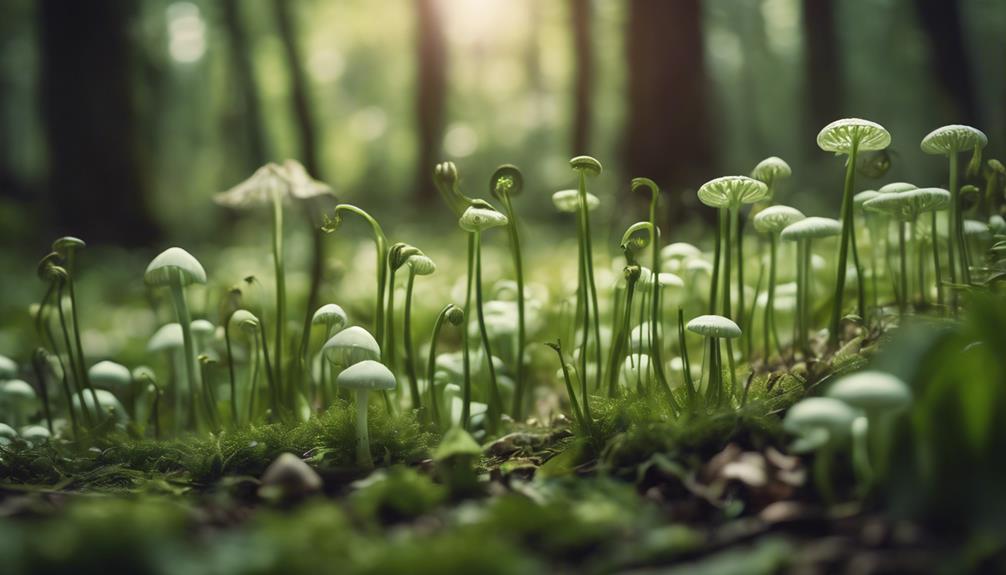
Have you ever wondered if winter foraging is worth the effort? It might seem like nature’s bounty goes into hibernation once the cold sets in, but beneath the snow and dormant branches, there’s a surprising world of edible plants waiting for those willing to look. One of the most overlooked treasures during winter is wild edible greens. Many people walk past these greens without realizing they’re even there, tucked into cracks in the pavement, along fence lines, or beneath leafless trees. These plants, hardy and resilient, often taste different from their summer counterparts, revealing hidden flavor profiles that can elevate a simple dish. Their bitterness or earthiness can add depth to salads or stews, offering a fresh, vibrant contrast when other greens are scarce.
You might think that all greens disappear in winter, but that’s not the case. Many wild greens, like winter cress, chickweed, or wild spinach, thrive despite the cold. They contain essential nutrients and antioxidants that keep you energized during the darker months. What makes these greens especially enticing is their complex flavor profiles, which often aren’t apparent until you taste them directly. You may find a slightly spicy note in winter cress or a mild, nutty undertone in wild spinach. These flavors, hidden from casual observation, become more pronounced once you learn to identify and prepare them properly. Recognizing the importance of biodiversity can lead to a greater appreciation of these resilient plants. Additionally, understanding the specific foraging techniques can help you harvest sustainably and safely. Developing a knowledge of native plants can further enhance your ability to forage responsibly and ethically.
The effort involved in finding these greens is minimal once you get familiar with where they grow. You’ll learn to look beneath leaf litter or along the edges of walking paths, where they tend to flourish. Harvesting only what you need ensures the plants can continue to thrive and that you’re practicing sustainable foraging. Plus, you’re likely to find these greens in places you frequent regularly, making foraging an easy addition to your routine. When cooked or added raw, they bring a fresh, slightly spicy, or earthy flavor—an unexpected delight that can enliven soups, salads, or teas. Their unique flavor profiles make them a worthwhile adventure for anyone interested in connecting with nature’s seasonal offerings. Exploring these plants can also deepen your understanding of local botanical diversity, encouraging a greater respect for the ecosystems around you. In addition, learning about native plants can help in the identification of invasive species, ensuring you don’t unintentionally harvest plants that harm local ecosystems.
In the end, winter foraging isn’t about filling your basket with abundant harvests but about discovering what’s quietly growing around you. It’s an opportunity to expand your palate, challenge assumptions about winter’s emptiness, and enjoy the hidden flavors that most overlook. With just a little effort, you can turn an ordinary walk into a treasure hunt, uncovering wild greens that add both nutrition and complexity to your winter diet.
As an affiliate, we earn on qualifying purchases.
Frequently Asked Questions
Are Winter Foraging Tips Suitable for Beginners?
Yes, winter foraging tips are suitable for beginners if you focus on winter foraging safety. Don’t believe seasonal foraging myths that make it seem too dangerous; with proper knowledge, it’s accessible. Start by learning which plants are safe and identifiable during winter, and always forage in areas free of pollution. Keep it simple, stay cautious, and you’ll enjoy uncovering winter foods most people overlook.
Can Foraged Winter Foods Be Safely Eaten Raw?
Think of winter foraged foods as hidden treasures in a frozen kingdom; some are safe raw, like frost-resistant herbs, but others, like wild mushrooms, require careful handling. Wild mushroom safety is vital—many look similar but can be toxic if eaten raw. Always identify correctly before consuming raw. While some herbs can be enjoyed fresh, most winter foraged foods benefit from cooking to reveal flavors and guarantee safety.
How Do I Identify Edible Winter Plants Accurately?
To accurately identify edible winter plants, focus on plant identification skills specific to seasonal foraging. Learn key features like leaf shape, color, and growth patterns, and compare them to reliable field guides. Take your time to observe plants carefully, noting their environment and any distinguishing marks. Avoid guessing—if you’re unsure, it’s safer to leave the plant untouched. Proper identification guarantees safe, enjoyable winter foraging experiences.
What Tools Are Essential for Winter Foraging?
You’ll need a good foraging basket, a sharp knife, and a field guide for wild mushroom foraging and snow-covered berry picking. A magnifying glass helps identify small details, while gloves protect your hands from cold and prickly plants. A small shovel can be handy for digging roots, and a notebook keeps track of what you find. These tools turn a winter foraging walk into a fruitful adventure, not a wild goose chase.
Are There Any Legal Restrictions on Winter Foraging?
Yes, there are legal restrictions on winter foraging. You need to check local regulations because some areas require foraging permits, especially on public lands. Certain plants and fungi may be protected or restricted, and overharvesting can harm ecosystems. Always respect property boundaries and obtain necessary permissions. Staying informed about legal restrictions guarantees you forage responsibly and sustainably, avoiding fines or damaging the environment.
wild edible greens harvesting tools
As an affiliate, we earn on qualifying purchases.
As an affiliate, we earn on qualifying purchases.
Conclusion
Just as a skilled gardener sees beauty in the dormant soil, you can find life in winter’s quiet. Every overlooked berry, leaf, or root is a hidden gem waiting to be uncovered, whispering secrets of resilience and abundance. Embrace the season’s stillness as a silent symphony, reminding you that even in the coldest times, nature’s bounty persists—waiting for you to listen, discover, and savor the silent treasures beneath the snow.
foraging knife with serrated edge
As an affiliate, we earn on qualifying purchases.
As an affiliate, we earn on qualifying purchases.
As an affiliate, we earn on qualifying purchases.
Fall yard work Picks
leaf blowers
As an affiliate, we earn on qualifying purchases.