
To prevent fermentation and off-flavors in your wild syrup, always use clean, sanitized equipment and handle sap carefully. Collect from healthy trees and transfer it promptly into airtight, cool containers to slow spoilage. Process the sap soon after gathering, maintaining steady heat and ensuring a tidy workspace. Keep storage in dark, refrigerated conditions and watch for signs of spoilage. Following these steps helps maintain quality—continue for more tips on keeping your syrup pure and delicious.
Key Takeaways
- Collect and process sap promptly to reduce fermentation risk and prevent off-flavors.
- Use sanitized, airtight containers for storage to inhibit bacterial growth and spoilage.
- Keep sap refrigerated or frozen if not processed immediately, maintaining cool, dark conditions.
- Maintain a clean, well-maintained setup and steady heat during boiling to prevent contamination and flavor issues.
- Regularly inspect stored sap for signs of spoilage, discarding any with off smells, cloudiness, or fizz.
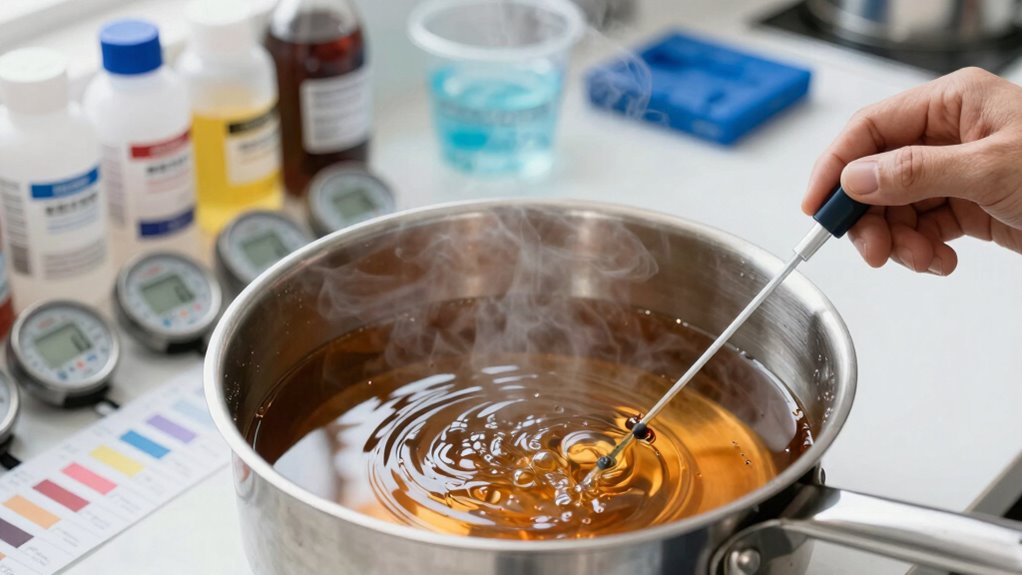
Making wild syrup can be a rewarding experience, but it’s crucial to prioritize safety throughout the process. One of the most critical steps is proper sap collection, which directly impacts the quality of your final product. When collecting sap, always use clean, food-grade equipment to prevent contamination. Select healthy, unblemished trees and avoid overharvesting, as this can stress the trees and reduce sap flow. During sap collection, make sure to drill at the correct depth and angle, and promptly empty and clean your collection containers to prevent spoilage. Proper sap collection not only ensures a cleaner, sweeter syrup but also minimizes the risk of off-flavors caused by bacteria or mold growth. Additionally, ensuring proper ventilation during processing helps maintain a safe environment and prevents the buildup of potentially hazardous fumes.
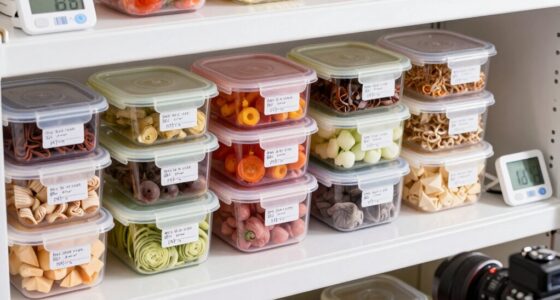
Equally important are good storage techniques. Once you’ve collected the sap, transfer it into sanitized containers and keep it cool to slow fermentation. Cold storage inhibits bacterial growth and preserves the sap’s natural sweetness. Use airtight containers to prevent exposure to air, which can introduce contaminants and trigger unwanted fermentation. If you’re not planning to process the sap immediately, refrigerate or freeze it promptly. Remember that even small amounts of stored sap can ferment quickly if not kept at the right temperature, so frequent checks are essential. When it’s time to boil down the sap into syrup, do so in a clean, well-maintained setup, avoiding cross-contamination. Keeping your equipment sanitized and your workspace tidy reduces the chance of off-flavors developing during processing.
Throughout the entire process, stay alert for signs of fermentation or spoilage. If the sap develops an off smell, unusual cloudiness, or a fizzy surface, discard it immediately. These are signs that bacteria or wild yeasts have taken hold, and consuming spoiled sap can be unsafe. To prevent accidental fermentation, control the environment at every step—store sap in cool, dark places, and process it as soon as possible after collection. When boiling, maintain a steady, moderate heat to prevent caramelization or burnt flavors, which can also compromise your syrup’s safety and quality. By paying close attention to sap collection and storage techniques, you greatly reduce the risk of off-flavors and fermentation issues, ensuring your wild syrup remains safe, delicious, and true to its natural roots.
Frequently Asked Questions
Can Wild Syrup Be Safely Stored for Long Periods?
Yes, wild syrup can be safely stored for long periods if you follow proper storage best practices. To prevent fermentation, always keep your syrup in airtight containers and store them in a cool, dark place. Make sure to clean and sanitize your containers thoroughly before use. Regularly check for any signs of off-flavors or fermentation, and discard if you notice any changes. Proper storage guarantees your syrup stays fresh and safe for future use.
What Are the Signs of Fermentation in Wild Syrup?
Fermentation in your wild syrup is like a storm brewing on the horizon. You’ll notice bubbling or fizzing, indicating fermentation indicators. Off-odor, sour smell, or cloudy appearance are clear spoilage signs. Sometimes, you might see mold or sediment forming. These signs warn you that fermentation is taking hold, and the syrup’s quality is compromised. Always inspect your batch carefully before use to avoid off-flavors and spoilage.
How Do Temperature Fluctuations Affect Wild Syrup Safety?
Temperature fluctuations can profoundly impact wild syrup safety by disrupting temperature stability, which makes fermentation control more difficult. When temperatures swing wildly, it encourages unwanted fermentation and off-flavors. You should aim to keep your syrup at a consistent temperature, ideally within the recommended range, to prevent these issues. Maintaining temperature stability helps you control fermentation, ensuring your syrup stays safe, fresh, and delicious for longer periods.
Are There Specific Containers Recommended for Wild Syrup Storage?
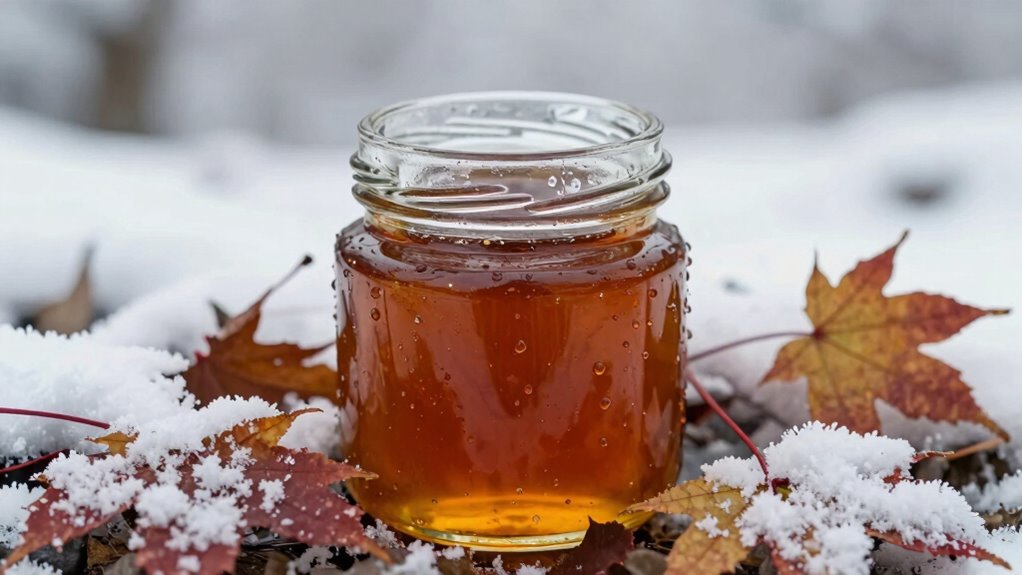
For storing wild syrup, you should use glass storage containers, as they are non-reactive and help maintain quality. Reusable containers made of glass are ideal because they prevent off-flavors and accidental fermentation caused by plastic or porous materials. Make sure the containers are airtight to preserve freshness and prevent contamination. Properly sealed glass storage guarantees your wild syrup stays safe and delicious longer.
Is It Safe to Consume Wild Syrup After Accidental Fermentation?
Sure, you can taste your wild syrup after accidental fermentation, but don’t expect a gourmet experience—more like a science experiment gone rogue. Fermentation risks include off-flavors and potential health hazards. If it smells sour or yeasty, it’s best to toss it rather than risk flavor degradation or stomach upset. Remember, it’s better to prevent fermentation than to gamble with questionable syrup—your taste buds and gut will thank you.
Conclusion
By paying close attention to your wild syrup, you’re the captain steering clear of hidden icebergs of fermentation and off-flavors. Remember, safety isn’t just a rule—it’s your secret weapon in crafting delicious, pure syrup every time. With a little vigilance, you’ll keep your wild bounty tasting its best, turning every batch into a sweet success story. So, stay sharp and trust your instincts—because in the world of wild syrup, safety is your sweetest flavor.