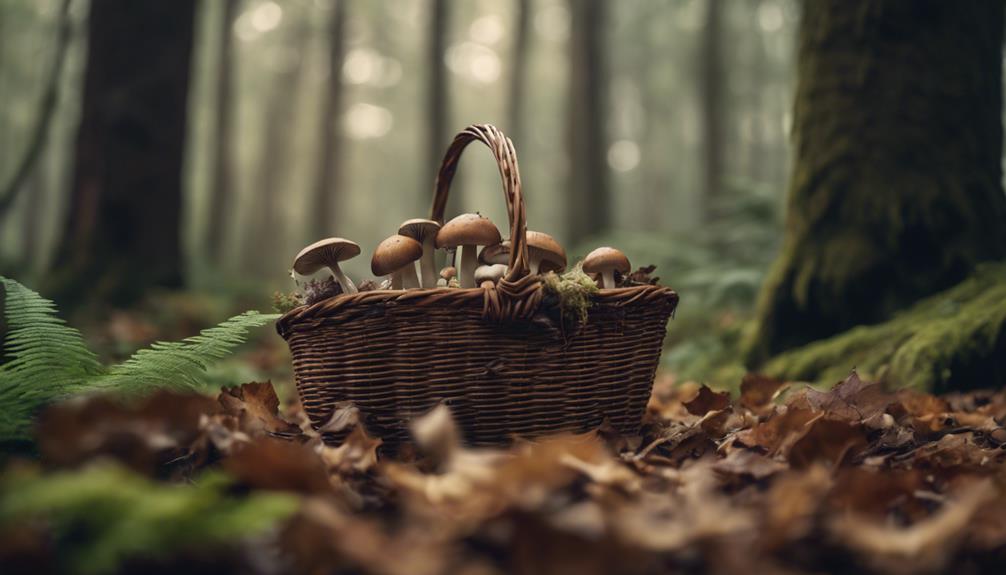
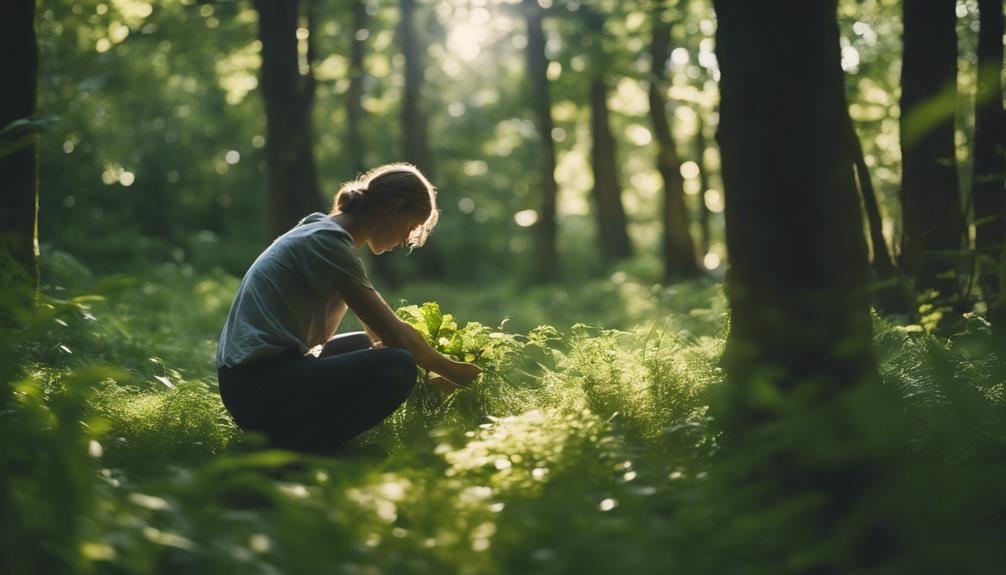
During summer, you can expand your foraging beyond berries by exploring wild mushrooms and coastal seaweeds. Mushrooms like chanterelles and lobster mushrooms thrive in damp, shaded forests, but proper identification is key for safety. Along rocky shores and tide pools, you’ll find nutrient-rich seaweeds such as kelp, nori, and dulse, which add flavor and nutrition to your meals. Keep exploring these vibrant, seasonal foods to enhance your outdoor adventures—there’s always more to discover if you look closely.

Get garden gear delivered free with Prime
- Fast, free delivery on millions of items
- Prime Video, Amazon Music and more included
- Member-only deals all year
Key Takeaways
- Wild mushrooms like chanterelles and lobster mushrooms thrive in warm, damp forest environments during summer.
- Coastal tide pools offer edible seaweeds such as kelp, nori, and dulse, abundant in summer months.
- Foraging beyond berries enhances flavor variety and nutritional intake from wild foods.
- Responsible harvesting of mushrooms and seaweed ensures ecosystem health and sustainability.
- Proper identification and local regulations are essential for safe, sustainable foraging practices.
As summer arrives, the abundance of wild edibles becomes more accessible, offering a perfect opportunity to expand your foraging repertoire. While berries often steal the spotlight, there’s a wealth of other edibles waiting to be discovered during these warm months. Two of the most rewarding pursuits are wild mushroom foraging and coastal seaweed harvesting. Both require a keen eye and knowledge, but they open up new flavors and nutritional benefits that can elevate your outdoor adventures.
Wild mushroom foraging can be particularly exciting in summer. As the weather warms, mushrooms like chanterelles, lobster mushrooms, and certain species of boletes thrive in the damp, shaded forest environments. You’ll want to familiarize yourself with the look-alikes and toxic varieties, as misidentification can be dangerous. When you spot a promising mushroom, examine its cap, gills, and stem carefully. Chanterelles, for example, have a vibrant yellow-orange hue, a fruity aroma, and forked gills that run down the stem. Lobster mushrooms, with their striking reddish color and firm texture, add a seafood-like flavor to dishes. Foraging wild mushrooms not only offers a culinary adventure but also connects you deeply to local ecosystems. Always harvest responsibly and consider taking a foraging course or consulting expert guides to ensure safety. Proper identification is crucial for safe mushroom harvesting, especially for beginners.
Wild mushroom foraging is an exciting summer activity that deepens your connection to local ecosystems.
Along the coast, summer is prime time for coastal seaweed harvesting. The tide pools and rocky shores become teeming with edible seaweeds like kelp, nori, and dulse. These nutrient-dense plants are packed with vitamins, minerals, and unique flavors. When harvesting seaweed, look for vibrant, healthy fronds that aren’t slimy or discolored. Use scissors or your hands to gently clip the seaweed, being mindful of the surrounding environment to avoid damaging the ecosystem. Kelp, in particular, grows abundantly along rocky coastlines and can be dried or used fresh in soups, salads, or pesto. Dulse, with its reddish hue, adds a smoky flavor and can be eaten raw or cooked. Coastal seaweed harvesting isn’t just about gathering; it’s about respecting nature’s balance. Always check local regulations, as some areas have restrictions on seaweed collection, and understanding sustainable harvesting practices helps preserve these vital ecosystems.
As an affiliate, we earn on qualifying purchases.
Frequently Asked Questions
Are There Any Edible Insects Available During Summer Foraging?
Yes, during summer foraging, you can find edible insects like crickets, grasshoppers, and mealworms, which make excellent insect protein sources. These insects are great for summer snacks, providing a nutritious and sustainable alternative to traditional protein. You might spot them in fields or under leaves. Just verify you identify edible species correctly, and then enjoy crunchy, protein-packed treats straight from nature during your summer adventures.
How Do I Identify Safe Wild Herbs in Summer?
Think of wild herbs as hidden treasures in a lush garden. To identify safe wild herb varieties, use identification techniques like examining leaf shape, smell, and growth patterns. Focus on distinctive features, such as the serrated edges of wild mint or the feathery leaves of fennel. Always cross-reference with reputable foraging guides, and when in doubt, consult an expert. This way, you guarantee you’re harvesting safe, edible herbs for your summer adventures.
Can I Forage for Mushrooms in Warm Months?
Yes, you can forage for mushrooms in warm months, but be cautious about mushroom toxicity. Many summer mushroom varieties are edible, but some are highly toxic and resemble safe types. Learn to identify mushrooms carefully, focusing on key features like gills and cap shapes. Always forage with an experienced forager or consult reliable guides, as misidentifying mushrooms can lead to serious health issues. Safety comes first in summer mushroom foraging.
What Are Some Common Summer Edible Flowers?
You can forage for edible flowers like nasturtiums, marigolds, borage, and calendula during summer. These popular edible flower varieties add flavor and color to your dishes. Check seasonal bloom guides to pick blooms at their peak freshness. Always verify you correctly identify and confirm edible status before harvesting. Incorporate these vibrant flowers into salads, garnishes, or teas for a fresh, natural touch to your summer meals.
Are There Any Local Regulations for Summer Foraging?
You should check local regulations before foraging, as rules vary. Obtain foraging permits if required, and familiarize yourself with local harvesting laws to make certain of responsible foraging practices. Respect protected areas, avoid endangered plants, and follow guidelines for sustainable harvesting. By staying informed about local regulations, you help preserve ecosystems, prevent legal issues, and enjoy foraging safely and ethically during the warm months.
As an affiliate, we earn on qualifying purchases.
Conclusion
So, next time you’re out in the summer sun, don’t just chase berries—consider the wild edibles that also thrive in the heat. Who knew that wild herbs, mushrooms, or even insects could add flair to your foraging feast? It’s almost like nature’s giving you a secret menu—if only you’re brave enough to try it. So go ahead, channel your inner explorer, and prove that foraging isn’t just about berries, but about daring to discover all the summer’s tasty secrets.
mushroom identification guidebook
As an affiliate, we earn on qualifying purchases.
As an affiliate, we earn on qualifying purchases.
As an affiliate, we earn on qualifying purchases.
Fall yard work Picks
leaf blowers
As an affiliate, we earn on qualifying purchases.