Incorporating scent into your identification process helps you distinguish plants with similar visual features by revealing unique chemical traits. Aromatic leaves and resins contain volatile compounds that create specific aromas, which can serve as natural fingerprints. Relying solely on physical traits can lead to mistakes, but adding scent improves accuracy and understanding. If you want to understand how scent and chemistry work together to enhance plant identification, there’s more to uncover.

Get garden gear delivered free with Prime
- Fast, free delivery on millions of items
- Prime Video, Amazon Music and more included
- Member-only deals all year
Key Takeaways
- Scent provides unique chemical signatures that enhance accuracy beyond visual identification.
- Aromatic traits help differentiate closely related species with similar physical features.
- Chemical analysis of scent profiles reveals subspecies and regional variations.
- Incorporating scent reduces misclassification in field and lab identification.
- Combining aroma with physical traits offers a more reliable and comprehensive plant ID process.
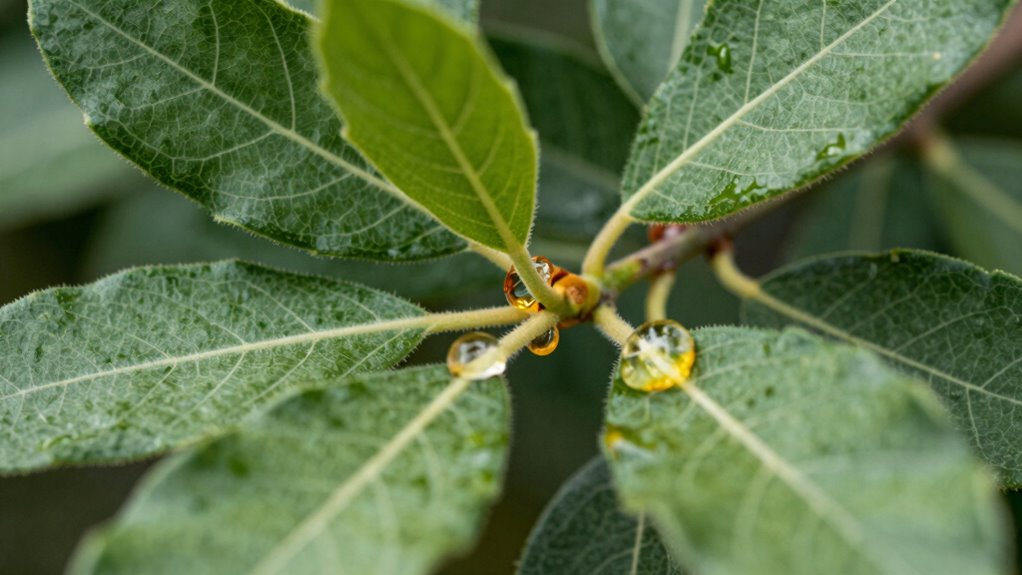
When identifying plant species, relying solely on visual traits can lead to misclassification, especially when many plants look alike. Leaves, resin, and other physical features might be similar across different species, making it easy to mistake one for another. That’s where incorporating scent into your identification process becomes essential. Scent provides an additional layer of specificity that visual inspection alone can’t offer, helping you distinguish between closely related plants with greater confidence. This method enhances the accuracy of identification by considering chemical properties alongside physical features. This is particularly true when dealing with aromatic leaves and resins, which often contain unique volatile compounds that serve as natural fingerprints. To effectively utilize scent, you need to engage in olfactory analysis. This process involves carefully smelling the plant material and noting distinctive aromatic qualities. But scent isn’t just a matter of subjective perception; it can be systematically analyzed through techniques like plant extraction. Plant extraction isolates the aromatic compounds from leaves, resins, or other plant parts, making it easier to identify their chemical signatures. Once extracted, these compounds can be examined using analytical tools such as gas chromatography-mass spectrometry (GC-MS). This scientific approach enables you to pinpoint specific volatile molecules responsible for the plant’s characteristic scent, providing a reliable basis for identification. Incorporating olfactory analysis into your identification routine enhances accuracy, especially when visual cues are ambiguous or insufficient. For example, two plants may look remarkably similar but emit distinctly different aromas. Recognizing these differences can prevent costly mistakes, whether you’re collecting samples in the field or cataloging specimens in a lab. The scent can reveal subtle variations in plant chemistry that aren’t apparent visually, giving you a more complete understanding of the species at hand. Additionally, understanding the aroma profiles of aromatic leaves and resins can aid in differentiating plant varieties within the same species. Some plants produce specific resins or oils that are unique to certain regions or subspecies. By analyzing these scents through plant extraction and olfactory analysis, you can develop a more nuanced identification process. This approach not only improves accuracy but also deepens your knowledge of plant chemistry and its relationship to taxonomy. Recognizing these chemical signatures can significantly enhance your ability to accurately identify plant species.
gas chromatography-mass spectrometry (GC-MS) plant analysis kit
As an affiliate, we earn on qualifying purchases.
As an affiliate, we earn on qualifying purchases.
Frequently Asked Questions
How Do Aromatic Leaves Affect the Identification Process?
Aromatic leaves enhance the identification process by providing distinctive scents that differentiate species. Your aromatic leaf cultivation efforts allow you to harvest leaves rich in scent compounds. Using scent extraction techniques, you can analyze these aromas to confirm plant identities accurately. This sensory data, combined with visual inspection, strengthens your identification process, ensuring reliable results and deepening your understanding of each plant’s unique aromatic profile.
What Types of Resins Are Most Commonly Used for Scent Analysis?
You’ll find that resins like frankincense, myrrh, and benzoin are most commonly used for scent analysis because they’re rich in volatile compounds. During resin extraction, you release these aromatic molecules, which are essential for accurate scent profiling. By analyzing these resins, you can identify unique scent signatures, helping improve your identification process and ensuring authenticity in various applications, from perfumery to quality control.
Can Scent Help Identify Counterfeit or Adulterated Products?
Yes, scent can help you identify counterfeit or adulterated products. Through sensory training, you learn to recognize authentic aroma profiles, making scent variability easier to detect. Counterfeit items often have altered or inconsistent scents, which your trained nose can spot. Regularly practicing with genuine products sharpens your ability to notice subtle differences, ensuring you can accurately distinguish authentic items from fake or adulterated ones.
How Is Scent Analysis Integrated With Other Identification Methods?
You integrate scent analysis with other identification methods by combining chemical profiling and sensory evaluation. Chemical profiling provides precise data on compounds, while scent analysis offers a quick, intuitive sense of authenticity. You compare aromatic profiles with reference standards and use sensory evaluation to verify scent consistency. This combined approach enhances accuracy, helps detect adulteration, and guarantees product integrity by leveraging both objective data and human perception.
Are There Any Health Risks Associated With Handling Aromatic Resins?
Handling aromatic resins is like walking a tightrope—you need to stay alert. There are health safety concerns, mainly chemical exposure, which can cause skin irritation or respiratory issues if proper precautions aren’t taken. Always wear gloves, masks, and work in well-ventilated areas. Staying cautious helps you avoid potential health risks, ensuring your scent analysis process remains safe and effective without compromising your well-being.
As an affiliate, we earn on qualifying purchases.
Conclusion
Incorporating scent into your ID process is like adding a finely crafted spice to a gourmet dish—elevating the entire experience. Aromatic leaves and resin serve as the subtle brushstrokes that bring depth and character to your design. By embracing scent, you’re not just creating a visual masterpiece but awakening all the senses, turning your project into an unforgettable symphony of perception. Let scent be the secret ingredient that truly awakens your designs.
essential oils for plant identification
As an affiliate, we earn on qualifying purchases.
As an affiliate, we earn on qualifying purchases.
olfactory analysis tools for botanists
As an affiliate, we earn on qualifying purchases.
As an affiliate, we earn on qualifying purchases.
Halloween Picks
halloween
As an affiliate, we earn on qualifying purchases.