To find free pantry staples along riverbanks, look for burdock and cattails. Dig carefully around burdock roots, which are thick, earthy, and grow deep underground—use a sturdy tool to avoid damaging nearby plants. For cattails, harvest tender shoots, young flower heads, or rhizomes with gentle digging, making sure to clean and prepare them properly. Stay with us to discover detailed tips on responsibly gathering these nutritious wild foods.
Key Takeaways
- Identify burdock by its tall stalks, large rough leaves, and deep taproot before carefully digging to avoid plant damage.
- Harvest burdock roots in fall or early spring for best flavor, using sturdy tools to loosen soil and extract long, thick roots.
- Spot cattails by their reed-like stalks along riverbanks; harvest tender shoots, flower heads, or rhizomes responsibly for nutrition.
- When collecting cattails, clean all parts thoroughly, remove mud, and harvest only what’s needed to promote plant sustainability.
- Practice sustainable foraging by properly identifying plants and harvesting responsibly to preserve riverbank ecosystems and ensure ongoing food sources.
Have you ever wondered what secrets lie beneath the surface of a riverbank? If you’re into wild foraging, exploring these lush, often overlooked areas can lead you to a treasure trove of edible plants that are free and abundant. The riverbank is a prime spot to discover natural pantry staples, especially burdock and cattails, which have been relied on by foragers for centuries. Learning to identify and harvest these plants not only expands your culinary options but also deepens your connection with nature’s resources.
Discover edible plants like burdock and cattails along riverbanks for free, sustainable foraging.
Burdock, with its tall, leafy stalks and large, rough leaves, is a common find along many riverbanks. Its roots are especially prized in wild foraging because they’re edible and nutrient-dense. The key is to dig deep, as burdock roots grow quite long and thick underground. When harvesting, use a sturdy tool to loosen the soil around the base, taking care not to damage nearby plants or disturb the ecosystem. Once extracted, you’ll notice the roots have an earthy, slightly sweet flavor, making them perfect for roasting, boiling, or incorporating into soups and stews. Historically, burdock has been used in traditional medicine as well, thanks to its detoxifying properties. When foraging, always ensure you’re correctly identifying the plant—look for its distinctive, jagged-edged leaves and a rough, brown taproot that’s easy to distinguish from similar plants.
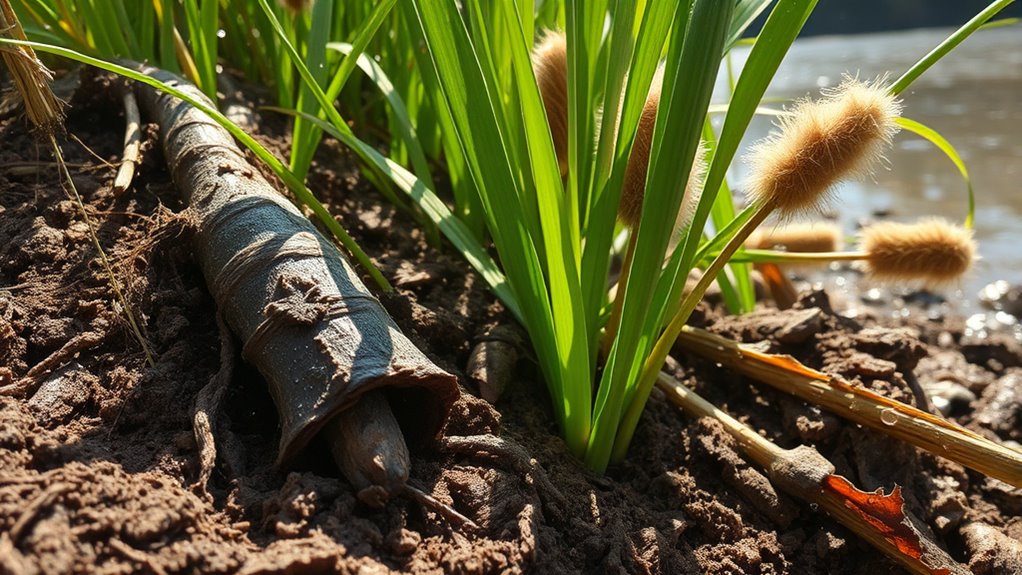
Cattails are another incredible resource along riverbanks. Their tall, reed-like stalks grow in dense clusters, and they’re easy to spot once you know what to look for. The edible parts are the tender shoots, the young flower heads, and the rhizomes. Early in the season, the shoots are crisp and sweet, much like asparagus, and can be harvested by snapping them off just above the soil. The flower heads can be boiled or roasted, and they offer a starchy, nutritious treat. The rhizomes, which are the underground stems, are a bit more work to dig up but are worth the effort—starchy and similar in texture to potatoes. Be sure to clean all parts thoroughly before consuming, removing any mud or debris. When wild foraging for cattails, remember to harvest sustainably, taking only what you need and leaving plenty behind for the plant to regenerate.
Tapping into these edible plants along riverbanks allows you to build a natural pantry with minimal cost and effort. It’s about understanding the environment and respecting the plants that thrive there. With careful identification and responsible harvesting, you can turn wild foraging into a rewarding adventure—digging up fresh, nutritious staples like burdock and cattails, straight from the earth to your table.
Frequently Asked Questions
Are Burdock and Cattail Safe for All Ages to Harvest?
When considering harvesting safety, you should know that burdock and cattail are generally safe if correctly identified and harvested properly. However, plant toxicity can pose risks if you’re unsure about the species or accidentally collect the wrong plant. Always research thoroughly, avoid harvesting near polluted areas, and wear gloves to prevent skin irritation. If you’re new to foraging, consult experts to ensure safe harvesting practices for all ages.
What Tools Are Best for Digging up These Plants?
Ever wondered how to successfully extract roots without damaging them? For root extraction, your tool selection is vital. You’ll want a sturdy, sharp spade or garden fork to loosen the soil around burdock and cattail roots. A digging knife can help with precision, especially in tight spots. Use these tools carefully, applying steady pressure, to guarantee you get the roots intact and ready for your pantry treasures.
How Can I Identify Burdock and Cattail Correctly in the Wild?
To identify burdock and cattail in the wild, look for their specific plant habitats and seasonal changes. Burdock has large, heart-shaped leaves and purple flower heads, often found in disturbed areas or along roadsides. Cattails grow in wetlands with tall, reed-like stalks and distinctive brown, cigar-shaped flower spikes. Recognizing these features during their peak seasons helps guarantee correct identification, preventing confusion with similar plants.
Are There Any Environmental Concerns When Foraging These Plants?
When foraging burdock and cattails, you should consider environmental concerns like sustainable foraging and invasive species management. Avoid overharvesting to protect plant populations and local ecosystems. Be sure to forage responsibly, only taking what you need, and avoid damaging the habitat. Respect regulations and private property rights. This way, you help preserve these plants for future foragers and support healthy, balanced ecosystems.
How Do I Prepare Burdock and Cattail for Cooking?
Imagine opening nature’s pantry—your first step is to clean burdock and cattail thoroughly. For burdock, peel the skin and cut into slices; cook by boiling or stir-frying to soften it, revealing a mild, earthy flavor profile. For cattail, remove the outer layers and stalks, then boil or grill. Both methods preserve their unique flavors, transforming wild edibles into delicious, nutritious meals right from your foraged finds.
Conclusion
So, next time you’re starving and the grocery store feels miles away, remember you’ve got a secret stash right outside your door. Burdock and cattails are basically free, nature’s own vending machines—no membership required. Who knew that digging up roots and harvesting cattails could turn you into a foraging superstar? Just think, all that wild food, free for the taking, proving once again that Mother Nature really does have our backs—if you’re willing to dig a little.