When sustainably harvesting ramps or wild leeks, always take only a small portion from each patch, avoiding damaging the bulb or pulling the entire plant. Use scissors or a knife to cut the stalks at the base, leaving enough plants behind to grow and reproduce. Respect property boundaries and obtain permission if you’re on private land. Following these responsible practices helps preserve ramp populations for future seasons, and there’s more to discover about effective foraging techniques ahead.
Key Takeaways
- Harvest only a small portion of the ramp patch to ensure future growth and sustainability.
- Use scissors or a knife to cut ramps at the base, avoiding pulling or damaging the plant.
- Leave enough plants behind to allow for reproduction and maintain healthy populations.
- Mark harvested areas to prevent overharvesting and promote responsible foraging practices.
- Respect private property and adhere to local regulations when foraging in different areas.

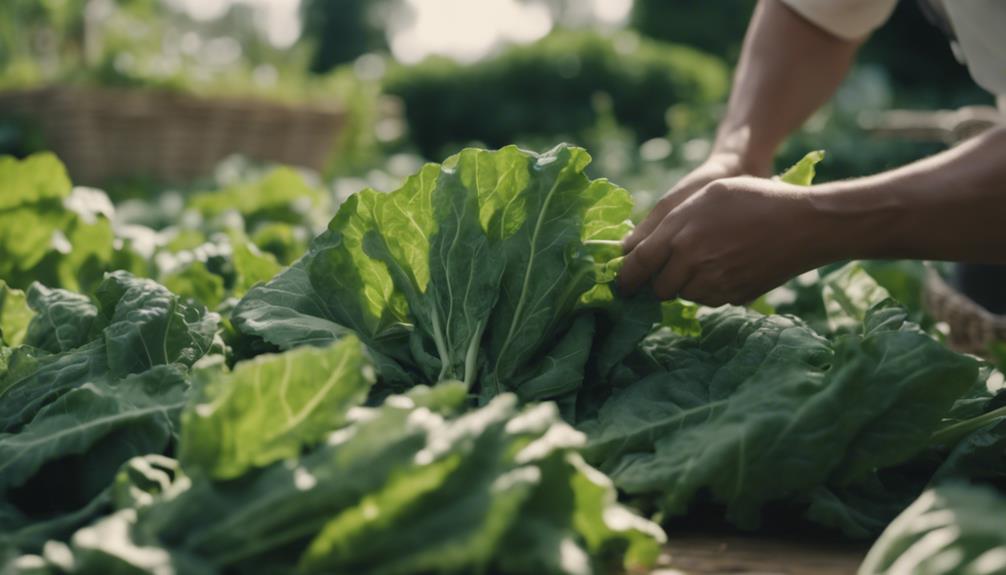
As spring arrives, ramps, also known as wild leeks, emerge from the forest floor, signaling the start of foraging season. This time of year, many foragers eagerly head into the woods to harvest these pungent greens. But as you gather ramps, it’s essential to keep foraging ethics in mind. Sustainable harvesting isn’t just about respecting nature; it guarantees that ramps will return year after year. One key rule is to harvest only a small portion of a patch—never take more than you need, leaving enough plants behind to reproduce and thrive. Avoid damaging the bulb or pulling the entire plant from the ground, as this can hinder future growth. Instead, use scissors or a knife to cut the stalks at the base, minimizing disruption to the underground bulb. It’s also wise to mark where you’ve harvested, so you don’t overharvest the same area repeatedly. Respect private property and local regulations, and always seek permission if you’re on land that isn’t public. Following these simple foraging ethics helps maintain healthy populations and keeps the tradition sustainable for everyone. Proper harvesting techniques are crucial for ensuring the longevity of ramps and other wild greens.
Once you’ve gathered your ramps ethically, you’ll find they’re incredibly versatile in the kitchen. Their pungent aroma and mild onion-garlic flavor make them a favorite for a variety of culinary uses. You can thinly slice ramps and add them raw to salads for a burst of fresh, springtime flavor. Sautéing ramps with butter or olive oil releases their aroma and softens their texture, making them perfect for topping toasted bread or stirring into pasta. They also work well in pestos, dips, and relishes, bringing a unique seasonal twist to familiar recipes. Some cooks even pickle ramps or incorporate them into egg dishes like frittatas and quiches. When using ramps, remember that their flavor can be strong, so balance them with milder ingredients. Keep in mind that the entire plant is edible, from the white bulb to the dark green leaves, which can be chopped finely and used as a garnish or added to soups and stews. Just be sure to wash them thoroughly to remove any dirt or insects before cooking.
Frequently Asked Questions
How Can I Identify Ramps in the Wild Safely?
To identify ramps safely, focus on their habitat preservation and edible plant identification. Look for broad, smooth, green leaves that grow in clusters on shady, wooded slopes with rich, moist soil. They emit a distinct garlic smell when crushed. Avoid confusing them with wild leeks or lily of the valley. Always double-check your identification, respecting local regulations and harvesting sustainably to protect ramp populations and their habitat.
Are There Specific Seasons Best for Harvesting Ramps?
You should harvest ramps in early spring, typically from March to April, when they are at their peak flavor. For safe ramp foraging tips, look for broad green leaves and a white bulb, avoiding toxic lookalikes. Always follow regional harvesting guidelines to protect wild populations and guarantee sustainability. Respect local rules, take only what you need, and never over-harvest, so ramps stay abundant for future foragers.
What Tools Are Recommended for Sustainable Harvesting?
You should use a sharp knife or scissors to harvest ramps carefully, cutting just above the bulb to minimize damage. Always follow foraging ethics and harvesting regulations to protect the ramp population and ensure sustainability. Avoid overharvesting by taking only what you need and leaving plenty behind. Using proper tools and respecting local rules helps conserve these wild plants for future foragers and the ecosystem.
Can Harvesting Ramps Damage the Local Ecosystem?
Yes, harvesting ramps can damage the local ecosystem if you don’t practice ramp habitat preservation. Overharvesting can lead to the decline of wild leek populations and disrupt surrounding plant and animal life. To minimize the impact of overharvesting, only take a portion of the plants, leave the bulbs intact, and harvest sustainably. This way, you help maintain healthy populations and preserve the ecosystem for future foragers.
How Do I Store Ramps to Maintain Freshness?
Sure, because you want your ramps to stay fresh forever, right? To keep them at their best, store fresh ramp storage in a paper towel-lined container in the fridge’s crisper. This preserves the delicate texture and flavor, while avoiding sogginess. For ramp preservation, avoid plastic bags that trap moisture. By doing so, you’ll enjoy vibrant, tasty ramps longer and make the most of your harvest!
Conclusion
By harvesting ramps sustainably, you protect this delicate wild resource for future seasons. Imagine the thrill of foraging your own wild leeks, knowing you’re helping preserve their natural habitat. While wild leeks symbolize abundance, overharvesting threatens their survival. Balancing your culinary curiosity with conservation efforts ensures these vibrant greens continue to thrive. So, enjoy your foraging, but remember: respecting nature today guarantees a bountiful harvest tomorrow.