Ethical harvesting of Japanese knotweed involves managing this invasive plant carefully to protect native ecosystems. You should use methods that suppress its growth while minimizing harm to other species, such as targeted chemical treatments, careful mechanical removal, and testing biological controls. By adopting sustainable practices, you can help restore natural habitats and preserve biodiversity. Continuing to explore these strategies will help you understand how to balance effective control with ecological responsibility.
Key Takeaways
- Ethical harvesting minimizes harm to native species and prevents the spread of Japanese Knotweed fragments.
- Responsible removal practices support long-term ecological balance and native biodiversity restoration.
- Combining control methods reduces environmental risks and enhances effectiveness of invasive plant management.
- Proper testing and cautious application of biological controls ensure minimal ecological disruption.
- Sustainable harvesting emphasizes environmental responsibility, helping to restore ecosystems without causing erosion or further invasion.
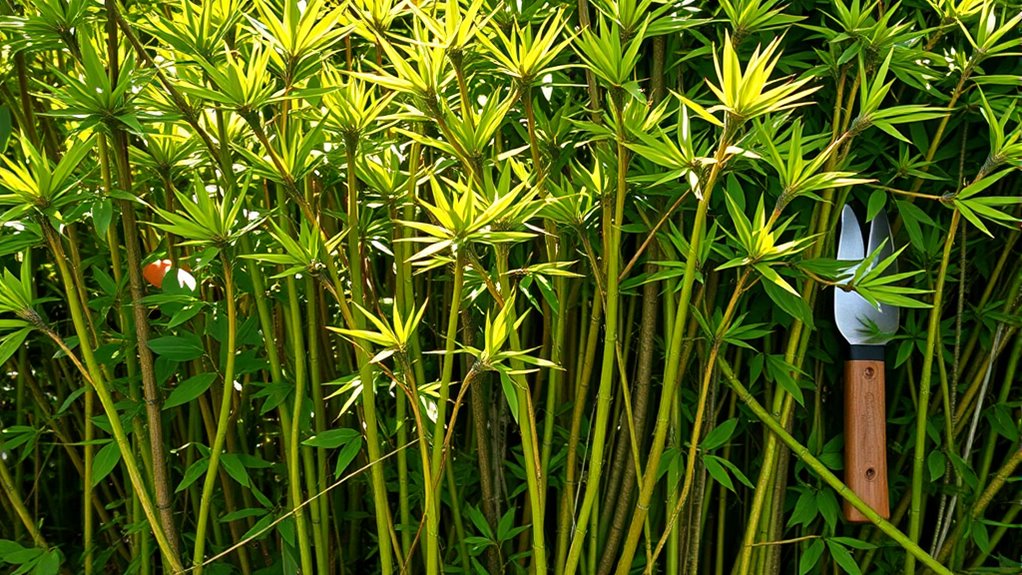
Have you ever encountered Japanese Knotweed and wondered why it’s considered such a problem? This invasive plant isn’t just a nuisance—it has a significant ecological impact that affects native species and ecosystems. Its rapid growth and dense foliage outcompete local plants, disrupting natural habitats and reducing biodiversity. When Japanese Knotweed takes over an area, it limits the resources available for native flora and fauna, which can have cascading effects on the entire ecosystem. Because of these issues, controlling its spread becomes a priority for land managers and conservationists. They employ various control methods, including chemical, mechanical, and biological strategies, to manage its proliferation. However, these methods often come with environmental trade-offs, and improper application can harm non-target species or disturb the ecological balance. That’s why ethical harvesting and responsible management are essential components of control efforts.
Understanding the ecological impact of Japanese Knotweed highlights why control methods must be carefully chosen. Chemical treatments, like herbicides, can effectively suppress the plant, but they must be used judiciously to avoid contaminating soil and water sources. Mechanical methods, such as cutting or digging up the rhizomes, are labor-intensive but reduce chemical use; however, if not done properly, they can spread fragments that may regrow. Biological control options, like introducing specific insects that feed on Knotweed, show promise but require thorough testing to prevent unintended consequences. You should recognize that each control method has pros and cons, and combining them often yields the best results. Ethical harvesting plays a crucial role here, as it emphasizes minimizing harm to native species and the environment while reducing the plant’s spread.
When you approach Japanese Knotweed management ethically, you focus on sustainable practices that respect the ecological integrity of the area. This involves understanding the importance of ecological balance and implementing strategies that support native biodiversity. This means avoiding reckless removal that could inadvertently spread the plant or cause soil erosion. It also involves considering long-term solutions rather than quick fixes, aiming to restore native biodiversity gradually. By understanding the ecological impact and selecting appropriate control methods, you can contribute to effective management. Ethical harvesting isn’t just about removing the invasive plant; it’s about doing so responsibly, with an eye toward ecological health and future stability. Ultimately, controlling Japanese Knotweed requires a balanced approach—one that recognizes its invasive nature but also respects the environment’s delicate balance. Your role is vital in ensuring that efforts to manage this plant are both effective and environmentally sound.
Frequently Asked Questions
Can I Sell Harvested Japanese Knotweed Legally?
Yes, you can sell harvested Japanese knotweed legally if you follow harvesting regulations. Make sure you’re harvesting responsibly, avoiding damage to the environment and adhering to local laws. Market demand for knotweed is growing, especially for eco-friendly uses. Always check with local authorities or environmental agencies to confirm your harvesting and selling practices meet legal requirements, so you avoid penalties and contribute to sustainable management of this invasive species.
What Tools Are Best for Ethical Harvesting?
For ethical harvesting, choose sharp, sturdy tools like hoes, pruning shears, or spades to simplify harvesting techniques. These tools promote precise, safe, and sustainable removal. Always prioritize tool safety by wearing gloves and eye protection, and handle blades carefully. Effective tools help you harvest efficiently while minimizing environmental impact, ensuring you stay compliant and kind to the ecosystem. Proper tools make the process safer, simpler, and more sustainable.
How Do I Dispose of Japanese Knotweed Safely?
To dispose of Japanese knotweed safely, you need to follow legal considerations and sustainable practices. You should never burn or dump it on-site, as this can spread the invasive species. Instead, place it in sealed, durable bags and take it to an authorized waste facility that accepts invasive plants. Always check local regulations to confirm compliance, and consider professional disposal services for proper handling and environmental safety.
Are There Specific Seasons for Harvesting?
You should harvest Japanese knotweed during its active growth cycles, typically in late spring to early summer. Seasonal timing is vital because the plant’s energy is focused on growth during these periods, making it easier to harvest sustainably. Avoiding late fall or winter harvest ensures the plant’s roots can store energy for the next cycle, supporting ethical harvesting practices that help control its spread while respecting its growth patterns.
What Are the Environmental Impacts of Harvesting?
You might be surprised to learn that harvesting Japanese Knotweed can reduce its spread by up to 90%, helping restore native plant preservation. However, if not done carefully, it can cause ecosystem disruption by disturbing soil and wildlife habitats. Responsible harvesting minimizes these impacts, ensuring that the invasive plant is managed without harming native species or the broader environment. Proper techniques make a significant difference in protecting the ecosystem while controlling the knotweed.
Conclusion
By ethically harvesting Japanese knotweed, you can help control its invasive spread while benefiting from its useful properties. Did you know that Japanese knotweed can grow up to 10 centimeters per day? This rapid growth makes responsible harvesting even more important to prevent further damage. When done thoughtfully, harvesting becomes a sustainable solution that protects local ecosystems and supports your efforts in managing this resilient plant effectively.