
To find wild foods, start by understanding their habitats rather than relying on guesses. Recognizing specific ecosystems helps you locate plants more efficiently and minimizes impact on fragile environments. Learning about seasonal and environmental cues guarantees you harvest responsibly and sustainably. By focusing on habitat knowledge, you improve your success and support conservation efforts. Keep exploring to discover how identifying habitats can transform your foraging experience and help you harvest wisely.

Get garden gear delivered free with Prime
- Fast, free delivery on millions of items
- Prime Video, Amazon Music and more included
- Member-only deals all year
Key Takeaways
- Accurate wild food maps rely on habitat knowledge to identify specific ecosystems where plants thrive.
- Recognizing habitats minimizes environmental impact and supports sustainable foraging practices.
- Habitat-based mapping prevents overharvesting by pinpointing plant locations responsibly.
- Understanding seasonal and environmental factors ensures timely and effective foraging within habitats.
- Habitat awareness promotes conservation and preserves biodiversity, ensuring long-term access to wild foods.
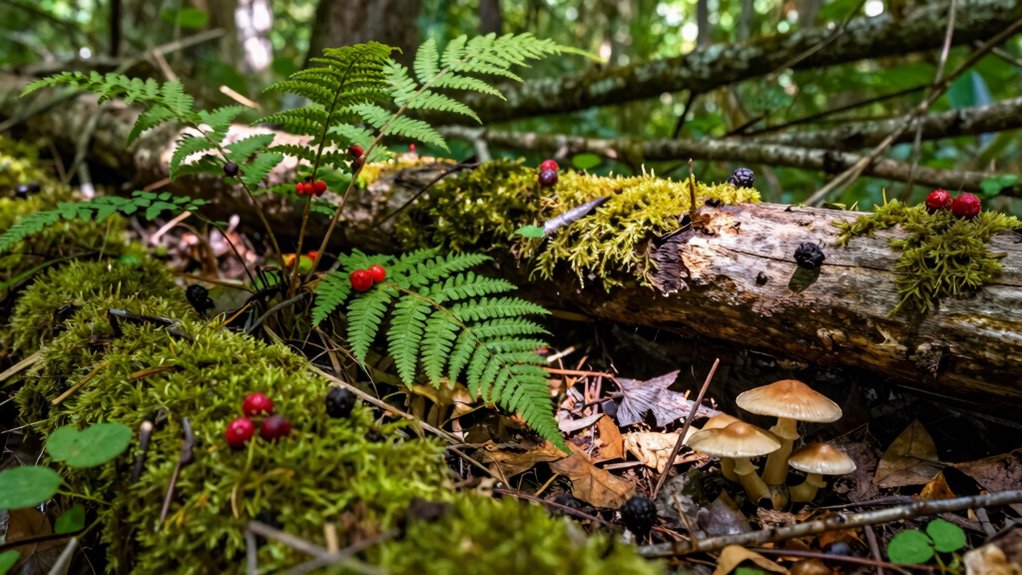
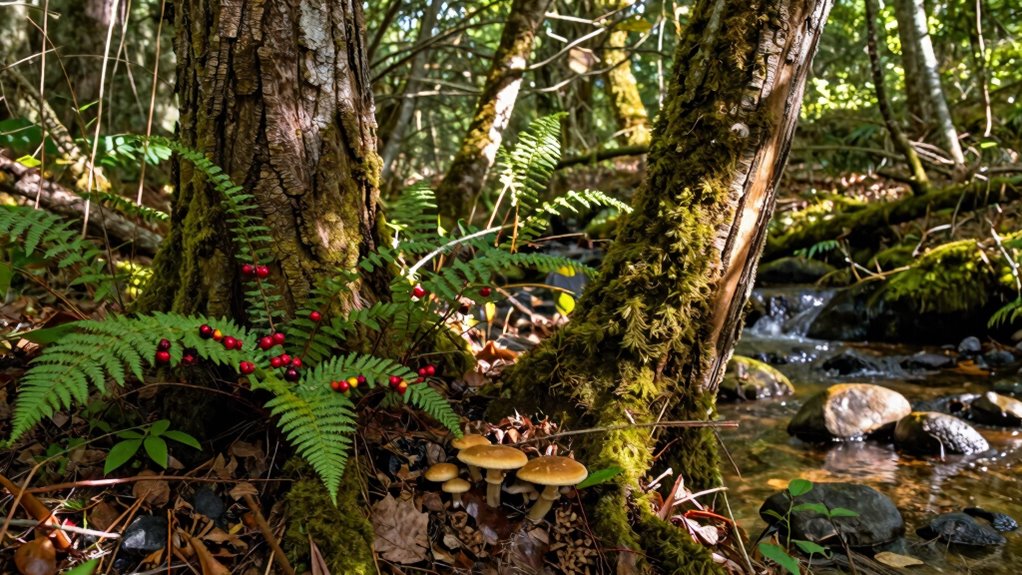
Understanding where wild foods grow begins with recognizing their habitats. When you start foraging, it’s tempting to rely on hunches or anecdotal knowledge, but successful and responsible foraging depends on understanding the specific environments that support these plants. Wild foods thrive in particular ecosystems, and knowing these habitats increases your chances of finding what you seek while minimizing environmental impact. By focusing on habitat, you lay the foundation for accurate wild food maps and ensure your gathering aligns with foraging ethics and conservation strategies.
Foraging ethics emphasize respecting the land, plants, and local ecosystems. It’s crucial to harvest sustainably, which means taking only what you need, never overharvesting, and leaving enough for wildlife and future foragers. Recognizing a plant’s habitat helps you avoid damaging fragile ecosystems. For example, certain mushrooms grow only in old-growth forests, and collecting them responsibly requires awareness of where they thrive. When you understand these habitats, you can plan your foraging trips to avoid sensitive areas, such as protected wetlands or endangered plant populations. This approach supports conservation strategies that aim to preserve biodiversity and prevent habitat degradation.
A detailed understanding of habitats also guides you in creating accurate wild food maps. Instead of relying on guesswork, you can mark specific locations where certain plants are known to grow. These maps become valuable tools not only for your personal use but also for sharing knowledge with others who respect foraging ethics. By basing your maps on habitat information, you help foster a community of responsible foragers who prioritize conservation and sustainable collection. This responsible mapping can prevent overharvesting in popular spots and encourage foraging in less sensitive areas, ultimately supporting healthy ecosystems.
Focusing on habitat also means paying attention to seasonal changes and environmental conditions. Some foods only appear during certain times of the year or thrive after specific weather patterns. Learning these nuances allows you to time your foraging trips wisely, reducing unnecessary disturbance to the environment. It also helps you identify areas that might contain hidden treasures, such as roots or berries, which are often overlooked if you rely solely on hunches. Recognizing the biodiversity of an area can reveal the variety of wild foods that flourish in different habitats and seasons. Additionally, understanding the native plant communities can deepen your appreciation for local ecosystems and their unique characteristics. This knowledge further emphasizes the importance of protecting habitat diversity for the sustainability of wild foods and overall ecosystem health.
In the end, building wild food maps based on habitat rather than guesses ensures you’re foraging ethically and contributing to conservation efforts. It’s about aligning your practices with the health of the land, respecting its natural balance, and ensuring that wild foods continue to flourish for generations to come. When you approach foraging with a habitat-focused mindset, you not only find more success but also become a steward of the wild landscapes you cherish.
Popular right now

Shark Navigator Robot Vacuum with Self-Empty Base, Dark Grey (RV2120AE)

KitchenAid Classic Series 4.5-Quart Tilt-Head Stand Mixer, Onyx Black

Dyson Cyclone V10 Origin Cordless Vacuum
As an affiliate, we earn on qualifying purchases.
Frequently Asked Questions
How Do Wild Food Maps Impact Local Ecosystems?
Wild food maps positively impact local ecosystems by promoting habitat preservation and biodiversity conservation. When you use these maps to identify key foraging areas, you help protect delicate habitats from overharvesting and development. This sustainable approach encourages the preservation of native plants and animals, maintaining ecological balance. By focusing on habitat, you guarantee that wild food harvesting supports healthy, resilient ecosystems rather than causing harm or imbalance.
What Tools Are Best for Identifying Wild Edible Habitats?
You’ll want tools that make plant identification and habitat analysis a breeze, not a chore. Grab a good field guide or plant ID app—think of them as your edible treasure maps. A GPS device or smartphone with mapping apps helps analyze habitats, pinpointing where wild foods thrive. Combine these tools, and you’ll confidently find edible spots without resorting to wild guesses, turning you into a habitat-hunting hero.
Are Wild Food Maps Legally Accessible to the Public?
Wild food maps are generally accessible to the public, but you should always check for legal restrictions in your area. Some regions limit access to certain lands due to privacy concerns or conservation laws, so it’s crucial to respect property boundaries and regulations. Before using or sharing these maps, verify local rules to avoid legal issues. Staying informed helps you responsibly explore wild food sources without infringing on privacy or breaking laws.
How Often Should Wild Food Maps Be Updated?
You should update wild food maps regularly to reflect seasonal changes and maintain mapping accuracy. As seasons shift, plant locations and availability change, so frequent updates guarantee you have current information. Stay proactive—review and revise your maps every few months or after significant weather events. This way, you’ll always have reliable data, helping you forage safely and sustainably, no matter the time of year.
Can Wild Food Maps Help Prevent Overharvesting?
Yes, wild food maps can help prevent overharvesting by guiding you to sustainable foraging areas. They highlight habitats that support healthy populations, aligning with conservation strategies. By using these maps, you can avoid over-collecting from fragile spots, ensuring resource renewal. This targeted approach promotes responsible foraging, preserves ecosystems, and maintains biodiversity, making wild food maps an essential tool for those committed to conservation and sustainable practices.
Conclusion
So, next time you’re wandering through nature, don’t rely on hunches or old tales to find wild food. Instead, trust the habitat maps that reveal the real treasures hiding in plain sight. It’s almost funny—your best bet isn’t intuition but understanding the land’s true language. After all, the wild food you seek might just be waiting patiently where you least expect, proving that sometimes, the smartest move is to follow the map, not your gut.