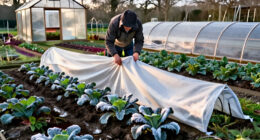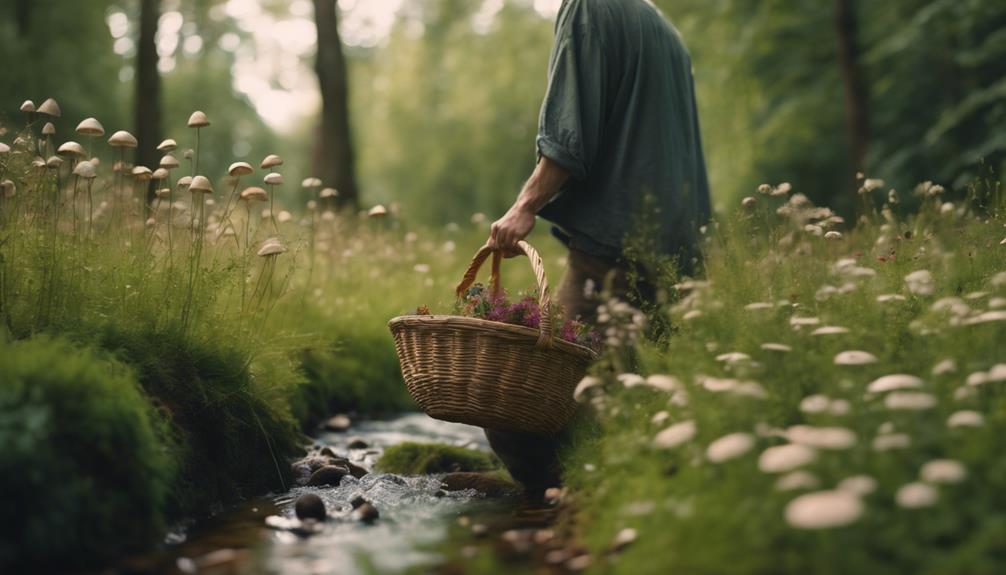
Foraging, a centuries-old practice, has evolved to incorporate modern tools and techniques, allowing you to rediscover ancient food systems and reconnect with nature in a sustainable and responsible way. You can access extensive catalogs of edible plants, fruits, and fungi through apps and online resources, ensuring safety and proper identification. By embracing modern foraging practices, you'll gain access to fresh, wild food and a deeper appreciation for the natural world. As you explore modern-day practices, you'll discover the cultural heritage and ecological advantages of foraging, and uncover the secrets to building sustainable communities and fostering a food revolution.

Get garden gear delivered free with Prime
- Fast, free delivery on millions of items
- Prime Video, Amazon Music and more included
- Member-only deals all year
Key Takeaways
- Modern foraging practices combine traditional knowledge with technology and online resources to identify and harvest wild edibles safely and sustainably.
- Foraging apps, online directories, and clubs provide access to extensive catalogs of edible plants, fruits, and fungi, supporting modern foragers.
- Wild edibles offer health benefits, including boosting the immune system, providing essential nutrients, and supporting sustainable, local food systems.
- Sustainable harvesting practices and ecological stewardship are crucial in modern foraging, ensuring biodiversity conservation and ecosystem resilience.
- Foraging communities share knowledge, preserve cultural heritage practices, and contribute to sustainable wild food systems, shaping the future of foraging practices.
Foraging in the Modern Era
As you venture into the modern foraging scene, you'll find that gathering wild edibles has evolved into a sophisticated pursuit that demands equal parts knowledge, caution, and respect for the environment. Modern foraging is about more than just finding wild food; it requires a deep understanding of the ecosystem and a commitment to sustainability.
You'll need to develop your skills in identifying plants, fruits, and fungi, as well as understanding their medicinal properties. Fortunately, modern foragers have access to a wealth of online resources, apps, and clubs to help you learn and identify edible plants. From Plants for a Future to Fallingfruit.org, there are numerous tools available to help you map out forageable plants and land ownership.
As you commence on this journey, remember to exercise caution, researching each plant before consumption and avoiding contaminated areas. By embracing modern foraging practices, you'll not only gain access to fresh, wild food, but also develop a deeper appreciation for the natural world.
Rediscovering Ancient Food Systems

By delving into the history of foraging, you'll uncover a rich tapestry of ancient food systems that have been woven into the fabric of cultures worldwide. You'll discover that foraging, an ancient practice, is still alive today, involving the gathering of wild plants, fruits, and fungi for sustenance.
As you explore the world of foraging, you'll find that modern foragers can access extensive catalogs of edibles through handy apps and online resources. However, conducting research before consuming any foraged items is crucial to guarantee safety and proper identification.
You'll learn that foraging traditions have evolved with the help of contemporary botanists and mycologists. By rediscovering ancient food systems, you'll gain a deeper understanding of the connection between nature and the food on your plate.
Foraging offers a unique opportunity to connect with nature and discover edible plants, fungi, and insects in your local environment.
Health Benefits of Wild Edibles

You'll discover that the wild edibles you forage offer a wealth of health benefits, from boosting your immune system to providing a rich source of vitamins, minerals, and antioxidants. By incorporating wild edibles into your diet, you'll not only enjoy fresh, organic alternatives to store-bought produce but also support sustainable, local food systems and reduce your reliance on processed foods.
Here are some examples of wild edibles and their health benefits:
| Wild Edible | Health Benefits |
|---|---|
| Dandelion Greens | Rich in vitamins A, C, and K, and minerals like potassium and iron |
| Wild Berries | High in antioxidants, vitamins C and K, and fiber |
| Chicory | Supports digestive health and contains inulin, a prebiotic fiber |
| Burdock Root | Rich in vitamins B6 and C, and minerals like potassium and manganese |
| Wild Garlic | Has antibacterial and antiviral properties, and supports heart health |
Preserving Cultural Heritage Practices

As you explore the significance of preserving cultural heritage practices in foraging, you'll discover the importance of traditional techniques, evolving preservation methods, and community knowledge sharing.
These essential elements guarantee the continuation of indigenous foraging practices, allowing future generations to benefit from the valuable insights and ecological knowledge of traditional foragers.
Traditional Foraging Techniques
Traditional foraging techniques, passed down through generations, serve as an indispensable link to cultural heritage practices that have sustained indigenous communities for centuries. You're likely aware that these techniques have been refined over time, ensuring the long-term availability of wild plants and resources.
Indigenous communities hold deep knowledge of traditional foraging methods, which involve sustainable harvesting practices to maintain ecological balance. Foraging traditions are integral to cultural identity and spiritual beliefs, reflecting a deep connection to the natural world. By preserving traditional foraging techniques, you're contributing to the maintenance of biodiversity, ecological balance, and cultural diversity.
These practices are more than just a means of gathering food; they're a crucial part of cultural heritage. As you explore modern-day foraging practices, it's imperative to recognize the significance of traditional techniques in sustaining ecosystems and communities. By embracing these time-tested methods, you'll not only be preserving cultural heritage but also ensuring a sustainable future for generations to come.
Preservation Methods Evolve
By building upon the foundation of traditional foraging techniques, modern foragers have adapted ancestral preservation methods to secure the longevity of wild edibles, merging time-honored practices with innovative technologies.
You're probably wondering how they do it. Well, modern foragers have updated traditional preservation methods like drying, smoking, and fermenting to safeguard foraged foods. They've also incorporated new techniques like canning, freezing, and vacuum sealing to extend the shelf life of their foraged goods.
By combining ancestral practices with modern technology, foragers can guarantee the longevity of their foraged foods without compromising their nutritional value or quality. This integration of sustainable and eco-friendly preservation methods not only maintains cultural heritage practices but also enhances food safety and accessibility.
As you explore modern foraging practices, you'll discover how these evolved preservation methods play a crucial role in making wild edibles a sustainable and reliable food source.
Community Knowledge Sharing
Through community knowledge sharing, you're not only preserving cultural heritage practices but also tapping into the collective wisdom of indigenous communities who've spent generations refining their foraging techniques.
By sharing their Traditional Ecological Knowledge, indigenous communities can pass on essential ecological knowledge and cultural diversity to future generations. This knowledge is rooted in their deep understanding of the natural environment and plant uses, which has been integral to their cultural traditions and spiritual practices for generations.
Community knowledge sharing fosters cultural heritage preservation and ecological stewardship. By sharing their expertise, traditional foragers can empower others to adopt sustainable foraging practices, promoting a deeper respect for the natural world.
This collective knowledge can also inform conservation efforts, ensuring the long-term preservation of ecosystems. By embracing community knowledge sharing, you're not only learning from indigenous communities but also contributing to the preservation of cultural heritage practices.
Ecological Advantages of Foraging

As you explore the ecological advantages of foraging, you'll discover the significant impact it has on the environment.
By foraging, you're contributing to biodiversity conservation efforts, enhancing soil health, and boosting ecosystem resilience.
These benefits not only support the health of local ecosystems but also promote a more sustainable relationship between humans and nature.
Biodiversity Conservation Efforts
Frequently, foraging practices prioritize biodiversity conservation by promoting the coexistence of diverse species and reducing the spread of invasive plants. As you venture into the world of foraging, you'll find that sustainable practices contribute to maintaining ecological balance and preserving natural habitats. By focusing on abundant resources and avoiding rare or scarce items, foragers minimize their ecological impact.
| Conservation Efforts | Ecological Benefits | Practical Tips |
|---|---|---|
| Promoting local species | Preserves natural habitats | Identify invasive species to avoid |
| Combating invasive plants | Maintains ecological balance | Focus on abundant resources |
| Ecological stewardship | Supports biodiversity | Join organizations for guidance |
The Association of Foragers promotes ecological stewardship and responsible foraging practices for conservation efforts. By adopting sustainable foraging practices, you'll not only contribute to biodiversity conservation but also generate socioeconomic and cultural value in metropolitan areas.
Soil Health Enhancement
By adopting sustainable foraging practices, you're not only contributing to biodiversity conservation, but you're also enhancing soil health through natural nutrient cycling and promoting healthy soil ecosystems.
As you forage for wild plants and fungi, you're helping to improve soil structure and fertility. This, in turn, reduces the need for chemical inputs, which can harm soil health.
By preserving natural habitats, foraging practices support the maintenance of healthy soil ecosystems. You're playing an essential role in promoting sustainable land management practices through your activities.
As a forager, you're part of a larger effort to conserve soil health, and every small action counts. By choosing sustainable foraging practices, you're contributing to the preservation of natural habitats and promoting healthy soil ecosystems.
This, in turn, has a ripple effect, supporting the overall health of our environment.
Ecosystem Resilience Boost
Through your deliberate foraging practices, you're fortifying ecosystem resilience by preserving natural habitats and promoting ecological balance. By adopting sustainable foraging practices, you're supporting biodiversity, combating invasive species, and contributing to conservation efforts. This, in turn, enhances ecosystem resilience, allowing natural habitats to thrive.
Your responsible foraging practices also maintain local species, promote ecological balance, and preserve natural habitats. By doing so, you're fostering a deeper connection with nature and supporting local economies and communities. Additionally, foraging provides an opportunity to address environmental challenges, promote ecosystem health, and strengthen ecological stewardship.
Building Sustainable Communities

As you explore the concept of building sustainable communities, you'll find that foraging plays an essential role in fostering a sense of unity and environmental responsibility. By promoting local food sources, foraging reduces reliance on industrialized agriculture, supporting biodiversity and ecological balance within communities. This, in turn, strengthens community bonds through shared knowledge, solidarity initiatives, and mutual support.
Moreover, foraging networks can supplement local economies, improve mental health, and promote inclusivity within communities. By foraging responsibly, individuals can actively participate in environmental stewardship and support ecosystem health within their communities. This collective effort contributes to building sustainable communities, where residents work together to maintain ecological balance and promote environmental well-being.
Foraging as a Food Revolution

You're likely part of a growing movement if you're curious about foraging, a practice that's re-emerging as a revolutionary food trend. As a modern-day forager, you're part of a community that's rediscovering the benefits of wild edible plants.
Foraging is no longer just about sustenance; it's a movement that promotes sustainable living, biodiversity conservation, and a deeper connection with nature. Foraging encourages individuals to live in harmony with their environment by sourcing food from local, natural settings while minimizing their ecological footprint. Interestingly, foraging societies and equality often go hand-in-hand, as many of these communities historically embraced more egalitarian structures, with resources shared more equally among members. By revisiting these practices, modern foragers can challenge current consumption models and promote a more equitable and sustainable way of living. Foraging also nurtures a sense of community and interdependence, as individuals often share their knowledge and resources, fostering local networks of support. In reconnecting with these ancient practices, there’s an opportunity to not only reduce the environmental impacts of industrial food systems but also reflect on how **foraging societies and equality** offer lessons for rebalancing power dynamics and resource distribution in modern times. Ultimately, this movement advocates for a future where both people and ecosystems thrive together in mutual respect.
Here are three key aspects of modern-day foraging:
- Sustainable practices: Many foragers today focus on promoting biodiversity conservation and reducing reliance on grocery store produce.
- Education and community: Foraging clubs, experts, and community initiatives play a key role in educating and supporting individuals interested in modern-day foraging practices.
- Technology integration: Online resources and apps have made it easier for modern foragers to identify, harvest, and prepare wild plants and fungi.
As you commence on this food revolution, remember to always exercise caution and respect for the environment. Research, avoid contaminated areas, and respect ethical guidelines while foraging.
Modern Foraging Techniques and Tools

Embracing modern foraging techniques and tools enables you to tap into a vast network of resources, from online plant directories to expert guidance, and harness the power of technology to elevate your foraging experience. You can explore extensive plant directories like Plants for a Future, which provides detailed information on edible wild plants. Additionally, mapping tools like Fallingfruit.org help you locate foraging hotspots in your area.
| Modern Foraging Tools | Description |
|---|---|
| Foragers Buddy | Identify and document wild edibles in your area |
| iNaturalist | Learn about and record observations of edible plants and fungi |
| Plants for a Future | Access a vast directory of edible wild plants |
| Fallingfruit.org | Map foraging hotspots and find nearby foraging locations |
The Future of Wild Food Systems

By integrating traditional foraging wisdom with modern knowledge, you'll be contributing to the development of sustainable wild food systems that balance biodiversity conservation with responsible harvesting practices.
As a modern forager, you're part of a growing movement that's shaping the future of wild food systems. To guarantee a thriving food system, it's crucial to combine traditional practices with contemporary knowledge.
Here are three key takeaways to keep in mind:
- Responsible foraging practices: Avoid contaminated areas, respect local regulations, and prioritize biodiversity conservation.
- Collaboration with foraging groups: Join online forums, attend workshops, and connect with local foraging communities to share knowledge and best practices.
- Continuous learning and adaptation: Stay updated on the latest research, adapt to changing environmental conditions, and refine your foraging skills to secure a sustainable food system.
Frequently Asked Questions
Does Foraging Still Exist?
You wonder if foraging still exists, and the answer is yes! Modern-day foragers leverage technology, expert guidance, and careful research to safely discover edible treasures in their local environments, reconnecting with nature and their communities.
Is Foraging Illegal in the Us?
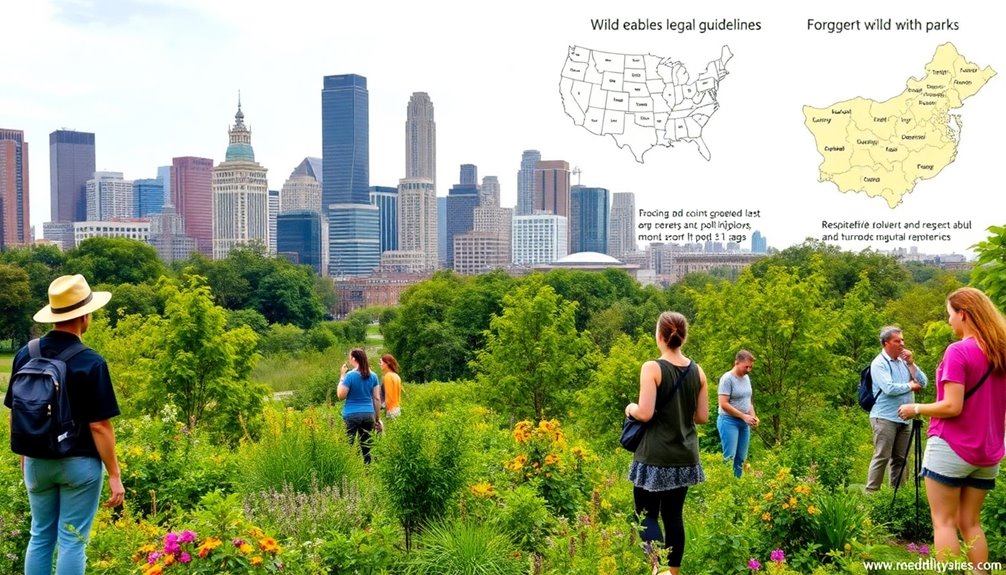
As you ponder foraging's legality, coincidentally, you're standing in a state where laws vary – it's not entirely illegal, but you must navigate local regulations, respecting protected areas and private property to avoid fines or trespassing charges.
Are True or False Foraging Societies Exist in the 21ST Century?
You won't find many true foraging societies where people solely rely on hunting and gathering for food, but some indigenous communities still practice traditional foraging methods alongside other food production techniques in the 21st century.
Why Is Foraging Becoming Popular?
You're drawn to foraging because you crave a deeper connection with nature and a healthier lifestyle. As you seek sustainable food options, you're driven by a desire to reduce your reliance on store-bought produce and discover wild, nutritious foods.
Conclusion
As you commence on your foraging journey, remember that the wild edibles at your fingertips hold the power to revitalize your health, preserve cultural heritage, and foster sustainable communities.
Like a thread weaving together the fabric of our collective past, present, and future, foraging stitches together the tapestry of our relationship with nature.
By embracing this ancient practice, you're not just gathering food – you're cultivating a deeper connection with the earth and its rhythms.
Fall Picks
fall essentials
As an affiliate, we earn on qualifying purchases.