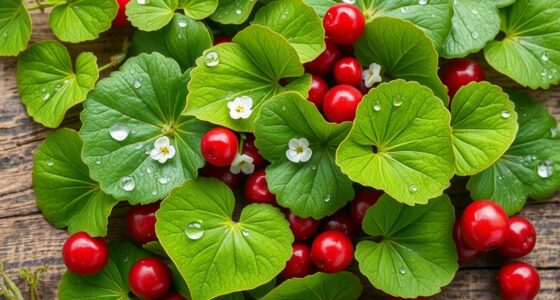
Curly dock and yellow dock are tangy, sour greens perfect for foraging early in the season when their leaves are tender and vibrant. You should harvest young, bright green leaves using scissors, avoiding mature or blemished foliage. Incorporate these greens into salads, sautés, or fermented dishes to enjoy their lemony flavor. Exploring how to use and harvest these greens properly can elevate your foraging skills—keep going to discover more tips and ideas.

Get garden gear delivered free — and shop member deals
- Fast, free delivery on millions of items
- Access to Prime Big Deal Days deals on October 6–7
- Prime Video, Amazon Music and more included
Key Takeaways
- Harvest young, tender curly and yellow dock greens early in the season for optimal flavor and nutrition.
- These greens have a tart, lemony flavor that pairs well with richer ingredients and can be pickled or fermented.
- Proper identification and avoiding contaminated areas ensure safe consumption of these wild greens.
- Use culinary methods like sautéing, chopping into salads, or blending into pesto to highlight their tangy taste.
- Sustainable harvesting involves snipping leaves at the base, leaving enough foliage for plant regeneration.

Have you ever wondered about the tangy, nutrient-rich greens hiding in your wild foraging spots? Curly dock and yellow dock are two such greens that pack a punch of flavor and nutrition. If you’re interested in adding these sour greens to your diet, it’s essential to understand the best harvesting tips and culinary uses to make the most of their unique qualities.
When harvesting curly dock and yellow dock, timing is key. The best time to pick these greens is early in the season, ideally when they’re young and tender. Look for leaves that are bright green, free of blemishes, and not overly mature, as older leaves tend to be tougher and more bitter. Use scissors or garden shears to snip the leaves at their base, taking care not to damage the plant’s root system. Always harvest sustainably by leaving enough foliage behind so the plant can continue growing and regenerating. Avoid foraging from areas that might be contaminated with pesticides or pollutants, and be certain of your plant identification to prevent any confusion with toxic species.
Harvest young, tender curly and yellow dock leaves early in the season for best flavor and nutrition.
In the kitchen, these greens are incredibly versatile. Their tart, lemony flavor lends itself well to a variety of culinary uses. You can incorporate curly dock and yellow dock leaves into salads for a bright, tangy kick. Simply wash the leaves thoroughly to remove dirt and grit, then chop them finely. They also work well in sautéed dishes, where their acidity can cut through richer ingredients. You might add them to stir-fries or cook them down with garlic and olive oil for a nutritious side. For a more substantial dish, try blending the cooked greens into pesto or adding them to soups and stews to boost flavor and nutrition. In traditional uses, the roots of these plants are sometimes boiled or roasted as a vegetable, although the greens are more commonly consumed fresh or cooked.
The acidity of curly dock and yellow dock also makes them suitable for pickling or fermenting, which can mellow their sourness and extend their shelf life. Experimenting with different culinary methods can help you discover your favorite way to enjoy these wild greens. Just remember, the key is to harvest young, tender leaves and incorporate them into dishes thoughtfully to balance their tangy flavor. With proper harvesting tips and a little creativity in the kitchen, you’ll find these sour greens to be a valuable addition to your foraging repertoire and your plate.
Frequently Asked Questions
Are Curly Dock and Yellow Dock Safe for Pets?
Curly dock and yellow dock are generally safe for pets in small amounts, but you should be cautious. They contain compounds that could cause pet toxicity if ingested excessively. While some pets might enjoy these greens, it’s best to consult your veterinarian before allowing safe consumption. Keep an eye on your pet for any adverse reactions and avoid giving them large quantities to prevent potential health issues.
How Do I Harvest Sour Greens Without Damaging the Plant?
Think of harvesting sour greens as walking a tightrope—you want to get what you need without toppling the plant. Use gentle pruning techniques and sharp harvesting tools to snip leaves carefully, avoiding the main stem. Focus on mature leaves at the top, leaving the plant’s roots and younger parts intact. This way, you’ll enjoy a bountiful harvest without damaging your greens or hindering future growth.
Can These Greens Be Grown in Containers?
Yes, you can grow sour greens in containers. Use container gardening with well-draining soil that meets their soil requirements, such as rich, loamy soil with good organic matter. Place the containers in a sunny spot and water regularly to keep the soil moist. Make sure the container has drainage holes to prevent waterlogging. With proper care, you’ll enjoy fresh sour greens right from your container garden.
What Are the Traditional Medicinal Uses of Curly and Yellow Dock?
Did you know that these greens have been used medicinally for centuries? Curly and yellow dock are valued for their medicinal properties, especially as herbal remedies. Traditionally, they’ve been used to treat skin conditions, boost digestion, and support detoxification. Their roots and leaves contain compounds that promote overall health, making them a natural choice for those exploring herbal remedies. Incorporating these greens can help you harness their natural healing powers.
How Do Sour Greens Compare Nutrition-Wise to Spinach?
Sour greens like curly and yellow dock pack more nutritional content than spinach, especially in antioxidants. You get higher levels of vitamins A, C, and K, plus minerals like iron and calcium. Their antioxidant properties help fight free radicals, supporting your immune system. While spinach is nutritious, sour greens offer a richer profile of nutrients and antioxidants that can boost your overall health and provide variety in your diet.
Conclusion
Now that you know about curly dock and yellow dock, you’re ready to add these nutritious sour greens to your diet. Did you know that wild greens like these contain up to 20 times more antioxidants than some cultivated vegetables? Incorporating them not only boosts your nutrition but also connects you to traditional foraging. So, next time you see these plants, consider harvesting a few—you might be surprised by their vibrant flavor and health benefits!
Fall yard work Picks
leaf blowers
As an affiliate, we earn on qualifying purchases.