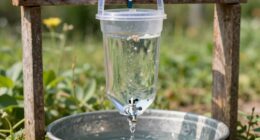
After each saltwater trip, rinse your fishing gear thoroughly with fresh water, paying close attention to crevices, joints, and moving parts to remove salt and dirt. Dry all parts completely to prevent moisture buildup, then apply light oil or specialized protectants to metal surfaces. Proper storage in a dry, ventilated space and regular inspections help prevent rust and corrosion. Keep your tools protected and in top shape—continue to explore tips that will help your gear last for years.
Key Takeaways
- Rinse all saltwater gear thoroughly with fresh water after each use to remove salt, dirt, and corrosive residues.
- Focus on cleaning crevices, joints, and moving parts to prevent salt buildup and corrosion.
- Dry gear completely and apply light oil or corrosion inhibitors on metal parts for extra protection.
- Store equipment in dry, well-ventilated areas, using moisture-absorbing materials like silica gel to prevent rust.
- Regularly inspect and maintain gear, including protective sprays, to ensure longevity and optimal performance over years.

Saltwater gear faces harsh conditions that can quickly cause corrosion and wear if not properly maintained. The salty, humid environment accelerates deterioration, making regular cleaning and maintenance essential to preserve your tools and guarantee they last for years. One of the most effective ways to protect your gear is by establishing a consistent rinse routine after each use. This simple step washes away salt residue, dirt, and other corrosive elements that can settle on the surface and inside the mechanisms, leading to rust and corrosion over time.
When rinsing your saltwater gear, use fresh water and make certain you thoroughly clean all parts, including reels, rods, and tackle boxes. Pay special attention to crevices, joints, and moving parts where salt deposits tend to accumulate. After rinsing, dry your gear completely to prevent moisture from lingering, which can promote corrosion. Applying a light coating of oil or a corrosion inhibitor on metal parts can further enhance corrosion prevention, especially for equipment that will be stored for extended periods.
Speaking of storage, choosing the right storage solutions is vital. If you simply toss your gear into a damp closet or a humid garage, you’re inviting rust and degradation. Instead, opt for dry, well-ventilated spaces that minimize moisture buildup. Use storage containers designed for saltwater gear — these often feature ventilation or moisture-absorbing inserts that keep humidity levels in check. For reels and tools with exposed metal, consider using silica gel packs or dehumidifiers in your storage area to absorb excess moisture.
It’s also wise to organize your gear in a way that prevents unnecessary contact and friction, which can cause scratches and expose metal to the elements. Hanging rods or wall-mounted racks work well for rods, while reels should be stored in protective cases or padded containers. Regularly inspecting your gear during storage is key — look for signs of corrosion, rust, or damage, and address issues immediately before they worsen. Additionally, using specialized protective sprays can provide an extra layer of defense against saltwater corrosion and prolong the life of your equipment.
Frequently Asked Questions
How Often Should I Perform a Deep Clean on My Saltwater Fishing Gear?
You should perform a deep clean on your saltwater fishing gear every 1 to 3 months, depending on how often you fish. Follow a consistent gear maintenance schedule, and always rinse thoroughly after each trip. Store your gear in a cool, dry place with proper storage tips, like avoiding direct sunlight and moisture. Regular deep cleaning prevents corrosion, extends your gear’s lifespan, and guarantees peak performance each time you hit the water.
Are There Specific Cleaning Products Recommended for Saltwater Equipment?
You should use marine safe detergents specifically designed for saltwater gear to clean your equipment. These products effectively remove salt and grime without damaging sensitive parts. Additionally, applying corrosion inhibitors afterward helps prevent rust and corrosion, extending your gear’s lifespan. Always follow the manufacturer’s instructions for best results, and avoid harsh chemicals that could weaken your equipment over time. This routine keeps your gear in top shape season after season.
Can I Use Regular Freshwater to Rinse My Saltwater Tools?
Yes, you can use freshwater rinsing for your saltwater tools. Regular freshwater rinsing is essential for gear maintenance, as it helps remove salt and debris that can corrode or damage your equipment over time. Make sure to thoroughly rinse all parts, especially moving components. Avoid harsh chemicals, and dry your tools properly afterward. This simple step extends your gear’s lifespan and keeps it in ideal condition for future use.
What Are the Signs That My Gear Needs Replacing Instead of Cleaning?
When your gear shows signs of wear, it’s time to part ways. Look for visual damage like rust, corrosion, or cracks—these are your gear’s silent screams for replacement. Deterioration isn’t always obvious, so trust your instincts: if it no longer performs smoothly or feels compromised, replace it. Your gear’s condition reflects your passion—don’t hold onto something that’s past its prime, let it rest and make room for new adventures.
How Do I Prevent Corrosion on Metal Parts During Storage?
To prevent corrosion on metal parts during storage, you should apply corrosion inhibitors or protective coatings before storing your gear. Make sure the metal surfaces are thoroughly cleaned and dried first. Use a light layer of oil or a corrosion-inhibiting spray to create a barrier against moisture. Store your gear in a dry, cool place, ideally in a sealed container, to minimize contact with humidity and further reduce corrosion risks.
Conclusion
By following a simple rinse routine, you can extend the life of your saltwater gear dramatically. Did you know that proper maintenance can increase your fishing tools’ lifespan by up to 50%? Regular rinsing removes corrosive salt and debris, preventing costly damage and ensuring your gear performs like new. Make this routine part of your fishing habits, and you’ll save money while enjoying more successful trips. Keep your gear in top shape—your future catches will thank you.