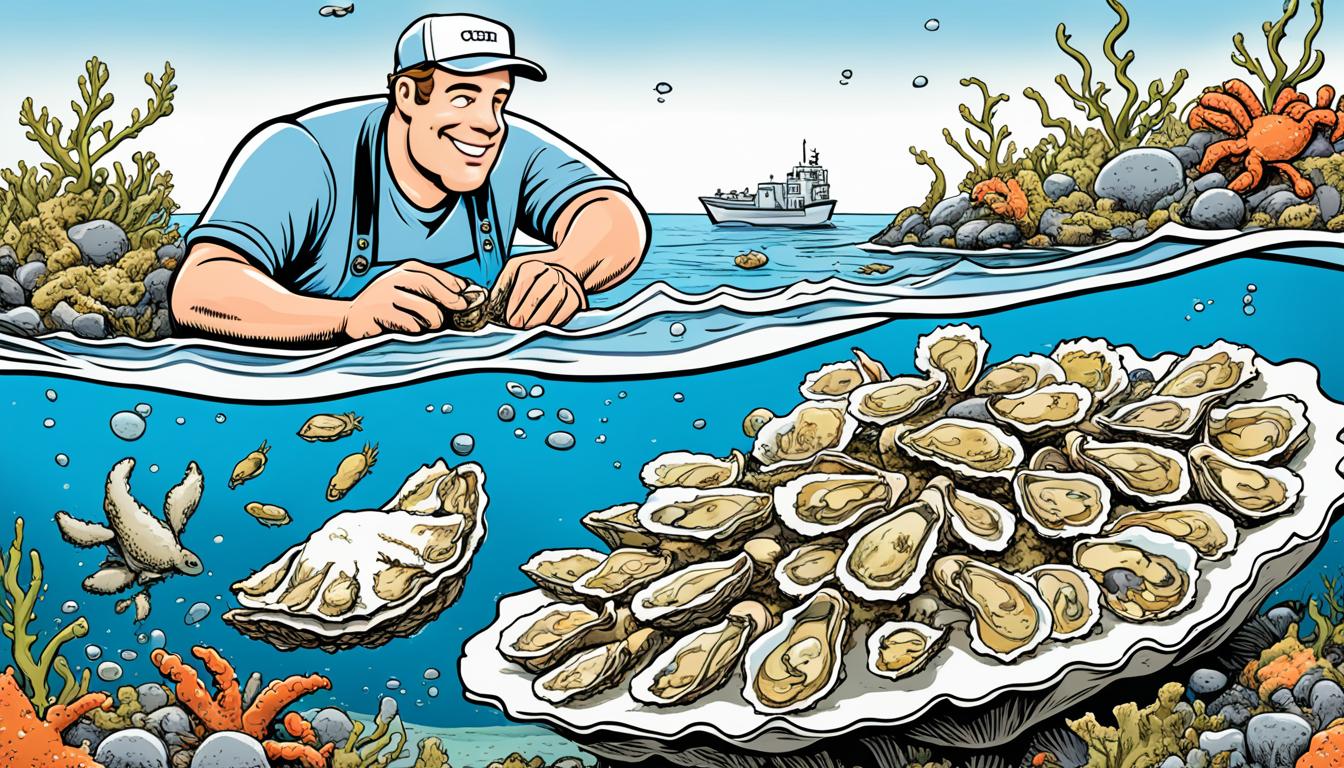
When foraging cockles, first check your local regulations to know the legal limits and restrictions. Look for healthy, tightly closed shells that close when touched, indicating live, fresh cockles. Harvest responsibly by taking only a few from each area and avoiding overharvesting, so populations stay sustainable. Always follow size and quantity restrictions, and consider environmental impacts. Keep these tips in mind to guarantee eco-friendly foraging—discover more tips and details ahead.
Key Takeaways
- Verify local regulations and permits before harvesting cockles.
- Choose live, tightly closed cockles that close when touched to ensure freshness.
- Harvest only the legal quantity limits and follow seasonal restrictions.
- Take cockles from multiple locations to prevent overharvesting and habitat damage.
- Practice sustainable gathering by respecting regulations and avoiding habitat destruction.
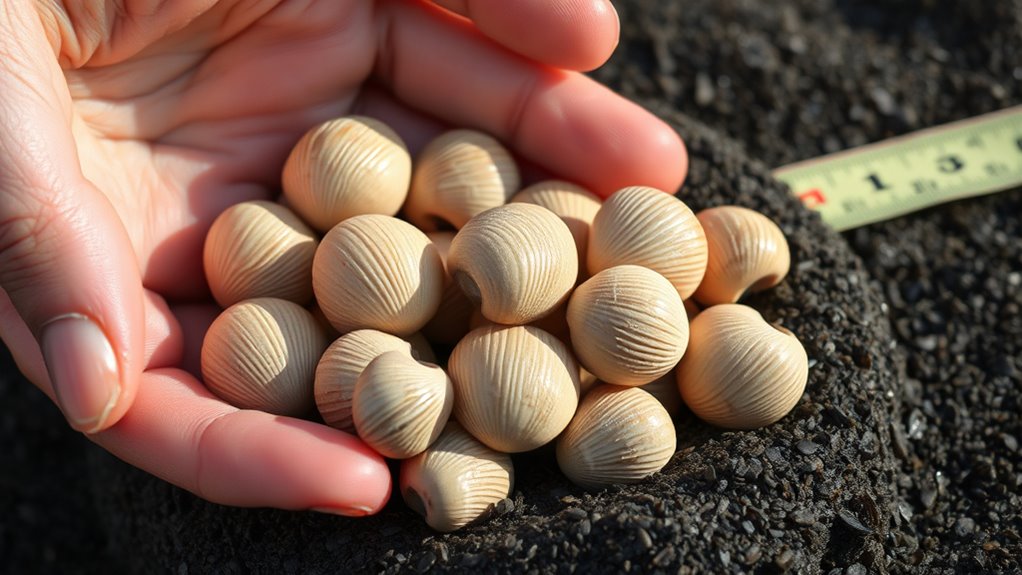
Have you ever wondered where to find fresh, delicious cockles and how to gather them responsibly? If you’re interested in foraging, understanding sustainable harvesting is key to ensuring these tasty shellfish remain abundant for years to come. When collecting cockles, always check local regulations and adhere to legal limits to help protect the population. Many areas have specific rules about how many you can take and where to gather, so researching these before heading out is essential. By respecting these limits, you contribute to the preservation of the species and the health of the ecosystem.
Once you’ve identified a suitable spot and confirmed you’re within legal boundaries, it’s important to focus on sustainable harvesting techniques. Look for cockles that are tightly closed or close when touched, indicating they are alive and fresh. Avoid taking large quantities from one area; instead, select a few from different spots to prevent overharvesting in a single location. This practice allows the population to recover naturally and maintains the balance of the local environment. Remember, harvesting during the right season—typically when the cockles are most abundant—also supports sustainability.
When it comes to preparing your freshly gathered cockles, the right cooking techniques can make all the difference. Steaming is one of the simplest and most effective methods, preserving their natural flavor while ensuring they’re safe to eat. To do this, place the cockles in a steaming basket over boiling water, cover, and cook until they open—usually within a few minutes. Discard any that don’t open after cooking, as they might be unsafe. Boiling is another option, but be careful not to overcook, as this can make the meat tough. A quick blanch or a gentle simmer release their sweet, briny flavor. You can also incorporate cockles into various dishes like soups, stews, or pasta, where their natural taste shines through.
Frequently Asked Questions
What Are the Signs of a Cockle Population Decline?
You’ll notice a cockle population decline when catches become scarce or smaller, and the beach shows fewer cockles overall. Signs include disrupted habitat conservation and increased use of fishing gear regulations that restrict harvesting. If you see fewer cockles despite following legal limits, it indicates a decline. Stay aware of local advisories and support habitat conservation efforts to help protect these essential shellfish populations for future foraging.
How Do Weather Conditions Affect Cockle Availability?
Weather conditions shape cockle availability like a storyteller weaving a tale. When the tide timing aligns, it’s like opening a treasure chest, revealing hidden bounty. Rainfall impacts cockles by washing away their habitat or causing water levels to rise, making harvesting risky. Sunny days expose more cockles, but heavy rain can hide or damage them. So, keeping an eye on weather patterns and tide timing helps you find the best, most abundant spots.
Are There Specific Seasons Best for Foraging Cockles?
You should target seasonal peaks in late autumn to early spring, as this is when cockles are most abundant and harvesting timing is ideal. During these periods, cockles are at their largest and most active, making foraging more successful. Avoid summer months when cockles typically spawn, leading to reduced size and quality. Planning your foraging around these seasonal peaks ensures a better harvest and sustainable collection.
Can Cockles Be Safely Eaten Raw?
You can eat cockles raw, but it’s risky without proper safety precautions. Raw consumption increases the chance of food poisoning from bacteria or viruses. To enjoy them safely, verify they are fresh, sourced from clean waters, and properly cleaned. Consider freezing them first to kill potential pathogens. Always check local advisories and guidelines, and when in doubt, cooking cockles thoroughly remains the safest option to prevent health issues.
What Equipment Is Recommended for Sustainable Harvesting?
Did you know that overharvesting can deplete cockle populations faster than they can recover? To guarantee sustainable harvesting, you need the right equipment essentials. Use a small, sturdy rake or hand-held fork to gently collect cockles without damaging their habitat. A breathable bucket helps keep your catch fresh while minimizing environmental impact. Always respect legal limits and practice responsible foraging to protect these valuable shellfish for future generations.
Conclusion
So, next time you’re tempted to forage cockles, remember: nature’s got rules, and ignoring them might land you in hot water—or worse, a hefty fine. Sure, plucking a few might seem harmless, but overstep the legal limits and you’re not just stealing snacks from the sea, you’re risking a serious slap on the wrist. Play it smart, stay within the limits, and keep your seaside foraging both fun and legal—because nobody wants a crusty reputation or worse!