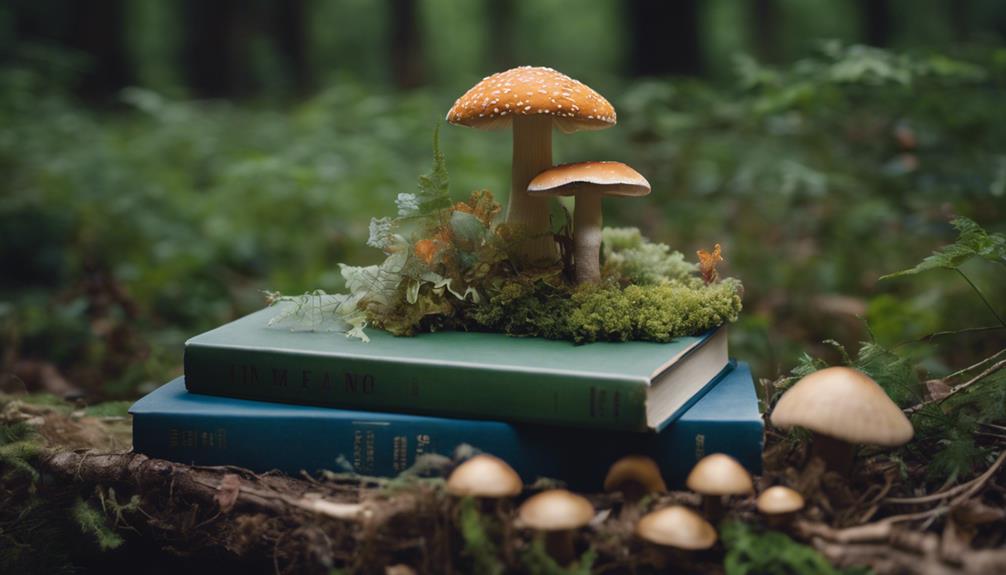

Foraging in the Midwest offers a wealth of edible and medicinal plants, but choosing the right book can be challenging. The best guides balance accurate identification, safe harvesting tips, and regional focus. Wild Edibles stands out as the overall top pick due to its user-friendly recipes and clear plant descriptions. Midwest Foraging is a strong choice for those seeking a comprehensive regional guide, while The Safe Foraging Bible emphasizes safety for cautious foragers. Readers face tradeoffs between detail and ease of use, regional specificity, and safety guidance. Continue reading for a detailed breakdown of these top picks and how they compare.

Get garden gear delivered free with Prime
- Fast, free delivery on millions of items
- Prime Video, Amazon Music and more included
- Member-only deals all year
Complete the kit


Key Takeaways
- Most top Midwest foraging books balance regional focus with beginner-friendly guidance.
- Safety and correct plant identification are consistently prioritized across the best options.
- Some books excel in recipes and culinary uses, while others emphasize medicinal or survival applications.
- Price varies, with comprehensive guides often costing more but offering more detailed information.
- Books that include seasonal and regional tips tend to be more practical and relevant for Midwest foragers.
| Wild Edibles: A Practical Guide to Foraging, with Easy Identification of 60 Edible Plants and 67 Recipes |  | Best Overall for Practical Foraging and Cooking | Number of edible plants covered: 60 | Number of recipes included: 67 | Target audience: Beginners to intermediate foragers | VIEW ON AMAZON | See Our Full Breakdown |
| Edible and Medicinal Wild Plants of the Midwest |  | Best for Herbalists and Medicinal Plant Enthusiasts | Number of plants covered: Over 100 | Focus areas: Edible and medicinal uses | Intended audience: Herbalists and herbal medicine enthusiasts | VIEW ON AMAZON | See Our Full Breakdown |
| The Forager’s Harvest: A Guide to Identifying, Harvesting, and Preparing Edible Wild Plants |  | Best for Beginners and Outdoor Enthusiasts | Focus: Identification, harvesting, preparation | Target audience: Beginners and outdoor enthusiasts | Content scope: Basic wild edible plants | VIEW ON AMAZON | See Our Full Breakdown |
| The Survival Foraging Field Guide: How to Find, Identify, and Prepare Wild Edible Plants, Mushrooms, and Natural Resources for Emergency Preparedness and Living (The Self-Reliant Provider Book 1) |  | Best for Emergency Preparedness and Self-Reliance | Focus: Emergency preparedness, survival | Includes: Plants, mushrooms, natural resources | Target audience: Preppers and survival-minded individuals | VIEW ON AMAZON | See Our Full Breakdown |
| Foraging Into The Wild North America: A Midwest, East & Southeast Coast Illustrated Harvest Field Guide for Beginners to Discover Wild Edible Plants, Mushrooms & Medicinal Herbs |  | Best for Regional Beginners with Visual Aids | Regions covered: Midwest, East, Southeast Coast | Focus: Edible plants, mushrooms, herbs | Illustrations: Yes | VIEW ON AMAZON | See Our Full Breakdown |
| Midwest Medicinal Plants: Identify, Harvest, and Use 109 Wild Herbs for Health and Wellness |  | Best for Herbal Enthusiasts and Natural Medicine Practitioners | Number of herbs covered: 109 | Focus: Medicinal herbs | Region: Midwest | VIEW ON AMAZON | See Our Full Breakdown |
| Midwest Foraging: 115 Wild and Flavorful Edibles from Burdock to Wild Peach |  | Best for Culinary Foragers and Food Enthusiasts | Number of edible plants: 115 | Focus: Culinary uses of wild plants | Region: Midwest | VIEW ON AMAZON | See Our Full Breakdown |
| Foraging Midwest Edible Wild Plants 2-in-1 with Step-by-Step Guide |  | Best for All-Season Foraging and Outdoor Enthusiasts | Scope: All four seasons | Guidance style: Step-by-step instructions | Region: Midwest | VIEW ON AMAZON | See Our Full Breakdown |
| Foraging in Michigan and the Midwest: A Beginner’s Guide |  | Best for Novice Foragers in Michigan and the Midwest | Target audience: Beginners | Region focus: Michigan and Midwest | Content: Safety, identification, local plants | VIEW ON AMAZON | See Our Full Breakdown |
| Mushrooms of the Upper Midwest: A Simple Guide to Common Mushrooms |  | Best for Mushroom Enthusiasts and Beginners | Region: Upper Midwest | Difficulty: Beginner-friendly | Focus: Common mushrooms | VIEW ON AMAZON | See Our Full Breakdown |
| Midwest Foraging Made Easy: A Complete Seasonal Guide to Identifying, Harvesting, and Preparing Wild Midwest Edibles with Safety and Confidence |  | Best Overall for Practical Midwest Foraging | Coverage: Seasonal foraging in the Midwest | Focus: Safety and confidence | Audience: Beginners and experienced foragers | VIEW ON AMAZON | See Our Full Breakdown |
| Edible Wild Plants Foraging for Beginners: A Regional Guide to Edibles of the Northeast, Midwest, Mountain West, Pacific Northwest, Southeast, and Southwest |  | Best for Regional Diversity and Beginner-Friendly Approach | Regions Covered: Northeast, Midwest, Mountain West, Pacific Northwest, Southeast, Southwest | Audience: Beginners | Content Focus: Identification tips and regional overview | VIEW ON AMAZON | See Our Full Breakdown |
| The Safe Foraging Bible for Beginners: A Full-Color Field Guide to Safely Identifying Wild Edible Plants, Harvesting with Confidence, and Discovering Delicious Foods That Nature Hides in Plain Sight |  | Best for Visual Learners and Absolute Beginners | Illustrations: Full-color images for plant identification | Safety Tips: Comprehensive safety and harvesting advice | Audience: Beginners and visual learners | VIEW ON AMAZON | See Our Full Breakdown |
| midwest foraging book | Focus |
|---|---|
| Wild Edibles: A Practical Guid | Culinary uses |
| Edible and Medicinal Wild Plan | — |
| The Forager’s Harvest: A Guide | Identification, harvesting, preparation |
| The Survival Foraging Field Gu | Emergency preparedness, survival |
| Foraging Into The Wild North A | Edible plants, mushrooms, herbs |
| Midwest Medicinal Plants: Iden | Medicinal herbs |
| Midwest Foraging: 115 Wild and | Culinary uses of wild plants |
| Foraging Midwest Edible Wild P | — |
| Foraging in Michigan and the M | — |
| Mushrooms of the Upper Midwest | Common mushrooms |
| Midwest Foraging Made Easy: A | Safety and confidence |
| Edible Wild Plants Foraging fo | — |
| The Safe Foraging Bible for Be | — |
More Details on Our Top Picks
Wild Edibles: A Practical Guide to Foraging, with Easy Identification of 60 Edible Plants and 67 Recipes
This book stands out for its balanced approach, combining clear identification tips with a rich collection of recipes, making it a versatile choice for both beginner and experienced foragers. Unlike Edible and Medicinal Wild Plants of the Midwest, which emphasizes medicinal uses, this guide focuses on culinary applications, appealing to those who want immediate edible results. Its comprehensive recipes provide practical ways to enjoy foraged plants, but it lacks details on editions or user reviews, which could be a drawback for those seeking updated information. The straightforward identification tips help minimize mistakes, making it accessible for newcomers, yet it may fall short for advanced foragers seeking in-depth botanical details.
Pros:- Clear, easy-to-follow plant identification tips
- Includes 67 recipes for diverse edible plants
- Suitable for beginners and seasoned foragers alike
Cons:- Lacks detailed edition or publication information
- No customer reviews or ratings available
- Limited focus on medicinal or herbal uses
Best for: Home cooks and foodies interested in harvesting and preparing wild edibles with confidence
Not ideal for: Experienced botanists or herbalists needing detailed botanical descriptions or medicinal formulations
- Number of edible plants covered:60
- Number of recipes included:67
- Target audience:Beginners to intermediate foragers
- Focus:Culinary uses
- Identification tips:Easy and clear
- Edition information:Not specified
Our verdict“This guide is perfect for those wanting a practical, recipe-oriented introduction to Midwest foraging.”
Edible and Medicinal Wild Plants of the Midwest
This book excels by offering an in-depth look at both edible and medicinal plants native to the Midwest, making it ideal for herbalists or those interested in natural remedies. Compared with The Forager’s Harvest, which emphasizes identification and harvesting, this one emphasizes uses and benefits, providing a more holistic approach. However, it offers limited guidance on plant preparation and lacks detailed specifications, which might leave practical foragers wanting more hands-on advice. Its educational focus makes it less suitable for those solely interested in wild foods for culinary purposes, but it’s excellent for understanding the medicinal value of regional plants.
Pros:- Comprehensive coverage of regional medicinal plants
- Useful for both foraging and herbal medicine
- Educational resource on plant benefits and uses
Cons:- Limited guidance on plant preparation
- No detailed specifications or user ratings
- Focuses more on benefits than practical harvesting tips
Best for: Herbalists or herbal medicine practitioners seeking detailed plant use information
Not ideal for: Casual foragers interested mainly in wild food recipes or culinary uses
- Number of plants covered:Over 100
- Focus areas:Edible and medicinal uses
- Intended audience:Herbalists and herbal medicine enthusiasts
- Region covered:Midwest
- Educational content:Extensive
- Practical harvesting tips:Limited
Our verdict“This guide is best suited for those wanting a deep understanding of Midwest medicinal plants and their uses.”
The Forager’s Harvest: A Guide to Identifying, Harvesting, and Preparing Edible Wild Plants
This book offers a thorough introduction to identifying, harvesting, and preparing wild plants, making it an excellent starting point for newcomers to foraging. Compared with Wild Edibles, which balances recipes with identification, this one emphasizes a step-by-step approach to harvesting and preparation, appealing to those new to the craft. Its comprehensive nature covers the basics well, but the lack of specific edition or detailed user reviews could be a concern for those seeking the latest recommendations. It’s particularly well-suited for outdoor enthusiasts wanting a practical, easy-to-follow guide to start their foraging journey.
Pros:- Clear guidance on identification and harvesting
- Practical tips on preparation
- Suitable for beginners
Cons:- No detailed edition or publication date
- Lacks in-depth botanical or medicinal information
- Limited scope for advanced foragers
Best for: Beginners and outdoor explorers interested in safe, practical wild plant harvesting
Not ideal for: Experienced foragers seeking advanced botanical details or gourmet recipes
- Focus:Identification, harvesting, preparation
- Target audience:Beginners and outdoor enthusiasts
- Content scope:Basic wild edible plants
- Practical tips:Yes
- Edition info:Not specified
- Region coverage:General
Our verdict“This guide is ideal for beginners looking for straightforward, practical advice on wild harvesting and preparation.”
The Survival Foraging Field Guide: How to Find, Identify, and Prepare Wild Edible Plants, Mushrooms, and Natural Resources for Emergency Preparedness and Living (The Self-Reliant Provider Book 1)
This guide emphasizes survival skills, teaching readers how to locate, identify, and prepare wild edibles in emergency situations. Unlike Wild Edibles or The Forager’s Harvest, which are more general in scope, this one is tailored for self-reliance and preparedness, making it a practical choice for survivalists. Its detailed focus on mushrooms alongside plants sets it apart, though the limited content details and absence of specific product features might make it less appealing for casual foragers. Ideal for preppers or outdoor survivalists, it prioritizes readiness over culinary finesse.
Pros:- Detailed guidance on wild edibles for emergency use
- Includes mushrooms and natural resources
- Focus on self-reliance and survival skills
Cons:- Limited specific features or detailed product specs
- Requires prior knowledge of plants and mushrooms
- Content may be too focused on survival over culinary uses
Best for: Preppers, survivalists, and outdoor self-reliance enthusiasts
Not ideal for: Casual foragers seeking culinary recipes or botanical detail without an emphasis on survival
- Focus:Emergency preparedness, survival
- Includes:Plants, mushrooms, natural resources
- Target audience:Preppers and survival-minded individuals
- Content depth:Detailed
- Region:General
- Practical tips:Yes
Our verdict“This guide is best for those prioritizing survival skills and emergency preparedness in wild foraging.”
Foraging Into The Wild North America: A Midwest, East & Southeast Coast Illustrated Harvest Field Guide for Beginners to Discover Wild Edible Plants, Mushrooms & Medicinal Herbs
This illustrated field guide provides region-specific information across North America’s Midwest, East, and Southeast Coast, making it especially useful for beginners who need visual cues for plant identification. Compared with Wild Edibles, which offers more recipes, this one emphasizes visual recognition and region-specific guidance, which can be a real advantage for new foragers. However, it does not include detailed specifications or user ratings, which could be a limitation for those seeking comprehensive reviews. Its focus on illustrations makes it a practical choice for visual learners or those new to foraging in multiple regions, but it might lack depth for advanced users.
Pros:- Region-specific information across North America
- Includes illustrations for easy identification
- Great for beginners and visual learners
Cons:- No detailed specifications or user ratings
- Limited to introductory content
- Less suitable for advanced foragers seeking depth
Best for: Beginners and outdoor explorers seeking region-specific, illustrated guides
Not ideal for: Experienced foragers or those looking for in-depth botanical or culinary details
- Regions covered:Midwest, East, Southeast Coast
- Focus:Edible plants, mushrooms, herbs
- Illustrations:Yes
- Target audience:Beginners, visual learners
- Content scope:Introductory
- Price:Not specified
Our verdict“This guide is perfect for beginners needing visual aids and region-specific insights to start foraging confidently.”
Midwest Medicinal Plants: Identify, Harvest, and Use 109 Wild Herbs for Health and Wellness
This comprehensive guide stands out for its detailed focus on 109 medicinal herbs native to the Midwest, making it ideal for herbalists and those interested in natural healing. Compared to Midwest Foraging, which emphasizes edible plants for culinary use, this book dives deeper into herbs used for health, providing practical harvesting tips and detailed identification. However, it doesn’t cover culinary uses or broader foraging techniques, which limits its scope for food-focused foragers. The detailed plant descriptions and herbal applications make it a valuable resource for herbal medicine practitioners, but those seeking a broader wild food guide may find it too specialized. This pick makes the most sense for individuals interested specifically in medicinal herbs rather than general foraging or cooking.
Pros:- Extensive coverage of 109 medicinal herbs native to the Midwest
- Practical tips for harvesting and herbal preparation
- Detailed plant identification guidance
Cons:- Limited scope to herbal identification and usage, with no focus on edible plants or recipes
- No updates or supplementary features listed, which could affect current relevance
Best for: Herbal enthusiasts, herbal medicine practitioners, and natural health advocates interested in Midwest medicinal plants
Not ideal for: Culinary foragers or beginners seeking broad edible plant guides, as it focuses narrowly on medicinal herbs and lacks culinary details
- Number of herbs covered:109
- Focus:Medicinal herbs
- Region:Midwest
- Intended audience:Herbalists and natural health practitioners
- Type of content:Identification, harvesting, usage
- Format:Printed book
Our verdict“This book is best suited for herbalists and health-focused foragers seeking an in-depth guide to Midwest medicinal plants.”
Midwest Foraging: 115 Wild and Flavorful Edibles from Burdock to Wild Peach
This guide makes a strong case for anyone eager to expand their culinary repertoire with wild Midwestern edibles, listing 115 plants and providing detailed foraging and cooking tips. Unlike Foraging Midwest Edible Wild Plants 2-in-1, which offers seasonal guidance and step-by-step instructions, this book emphasizes flavor profiles and culinary uses, appealing more to foodies and cooks. Its extensive plant list is its main strength, but the lack of specific price info and customer ratings makes gauging its popularity tricky. The botanical knowledge required might intimidate beginners, but experienced foragers looking to cook with wild ingredients will find it a valuable resource. This pick is ideal for those who want to eat their foraged finds rather than focus solely on identification or medicinal uses.
Pros:- Detailed guide to 115 wild edible plants
- Includes culinary tips and flavor profiles
- Useful for foraging enthusiasts interested in regional foods
Cons:- No pricing or customer ratings available, limiting purchase confidence
- Content may require botanical knowledge, not beginner-friendly
Best for: Culinary-minded foragers and food lovers eager to incorporate wild flavors into their cooking
Not ideal for: Absolute beginners or those seeking a general wild plant identification guide without a focus on culinary uses
- Number of edible plants:115
- Focus:Culinary uses of wild plants
- Region:Midwest
- Content type:Identification, culinary tips, recipes
- Audience:Foodies and experienced foragers
- Format:Printed book
Our verdict“This book is perfect for experienced foragers and cooks looking to add regional wild flavors to their culinary creations.”
Foraging Midwest Edible Wild Plants 2-in-1 with Step-by-Step Guide
This 2-in-1 guide excels in providing clear, step-by-step instructions for identifying and harvesting edible wild plants across all four seasons, making it a practical choice for outdoor lovers. Compared with Midwest Medicinal Plants, which concentrates on herbs for health, this book broadens the scope to include a variety of edible plants with seasonal guidance. Its detailed approach enhances outdoor safety and confidence, but the lack of specific features like included tools or detailed photographs could be a drawback for visual learners. It’s best suited for those with some outdoor experience who want a practical manual to supplement their foraging outings. Novices or those seeking quick reference guides might find it less accessible.
Pros:- Detailed, step-by-step instructions for foraging
- Covers all four seasons, encouraging year-round activity
- Promotes outdoor activity and health benefits
Cons:- No specific tools or accompanying resources included
- Requires some outdoor foraging knowledge and experience
Best for: Outdoor enthusiasts and recreational foragers seeking a detailed seasonal guide
Not ideal for: Complete beginners or foragers looking for a compact, quick-reference book without detailed step-by-step instructions
- Scope:All four seasons
- Guidance style:Step-by-step instructions
- Region:Midwest
- Content focus:Edible plants and harvesting techniques
- Format:Printed book
Our verdict“Ideal for outdoor-minded foragers who want a detailed, seasonal guide to edible plants in the Midwest.”
Foraging in Michigan and the Midwest: A Beginner’s Guide
This beginner-friendly guide offers essential tips and regional insights tailored for newcomers to foraging, with a focus on Michigan and the broader Midwest. Compared to Midwest Foraging, which covers a wide range of plants and techniques, this book zeroes in on basic identification, safety, and regional specifics, making it less overwhelming for newcomers. However, its lack of detailed specifications and limited reviews make it harder to gauge its depth or current relevance. It’s best suited for those just starting out and needing region-specific guidance, but experienced foragers or those seeking a comprehensive manual may find it too basic.
Pros:- Clear, beginner-oriented approach
- Focus on Michigan and Midwest region specifics
- Includes safety tips and local edible plant info
Cons:- Limited detailed specifications or advanced content
- No customer reviews or ratings available
Best for: Beginners in Michigan and the Midwest seeking straightforward, region-specific foraging advice
Not ideal for: Experienced foragers or those wanting an in-depth, broad-range guide with detailed botanical information
- Target audience:Beginners
- Region focus:Michigan and Midwest
- Content:Safety, identification, local plants
- Guidance style:Basic tips and regional info
- Format:Printed book
Our verdict“This book is well-suited for novice foragers in Michigan and the Midwest looking for straightforward, region-specific guidance.”
Mushrooms of the Upper Midwest: A Simple Guide to Common Mushrooms
This guide simplifies mushroom identification for the Upper Midwest, making it accessible for beginners eager to learn fungi. Compared to Midwest Foraging, which covers a broad spectrum of plants, this book zooms in on fungi, providing easy-to-understand descriptions and focusing on common, easily recognizable species. Its straightforward approach and emphasis on simplicity make it ideal for those new to mushroom foraging. However, the lack of detailed photographs and regional specificity beyond the Upper Midwest may limit its usefulness for more advanced mushroom hunters or those in broader regions. It’s a solid starting point for beginners but less suited for seasoned foragers or those requiring in-depth, photographic identification tools.
Pros:- Easy-to-understand descriptions suitable for beginners
- Focuses on common mushrooms in the Upper Midwest
- Helps avoid dangerous misidentifications
Cons:- Limited photographic detail for identification
- Region-specific, less useful beyond the Upper Midwest
Best for: Beginners and mushroom enthusiasts interested in identifying common fungi in the Upper Midwest
Not ideal for: Experienced mushroom hunters or foragers seeking detailed photographic guides or regional diversity beyond the Upper Midwest
- Region:Upper Midwest
- Difficulty:Beginner-friendly
- Focus:Common mushrooms
- Photographs:Limited
- Content type:Descriptions and simple identification
- Format:Printed book
Our verdict“This simple guide is perfect for beginners and casual mushroom hunters focused on the Upper Midwest region.”
Midwest Foraging Made Easy: A Complete Seasonal Guide to Identifying, Harvesting, and Preparing Wild Midwest Edibles with Safety and Confidence
Compared with other guides like The Safe Foraging Bible, this book stands out for its comprehensive coverage of seasonal wild edibles specific to the Midwest, making it ideal for those who want a detailed, step-by-step approach. Its focus on safety and confidence-building is a major plus, especially for beginners who might feel overwhelmed by regional variations. However, it lacks detailed product reviews or supplemental resources, which could leave more advanced foragers wanting additional guidance. The emphasis on seasonal identification helps users plan for foraging throughout the year, but the absence of in-depth images or tools might limit quick recognition in the field. This pick is best suited for Midwest residents or those new to foraging who want a practical, all-in-one guide that prioritizes safety and seasonal knowledge.
Pros:- Comprehensive seasonal foraging coverage tailored to the Midwest
- Strong focus on safety and building confidence
- Suitable for both beginners and more experienced foragers
Cons:- Lacks specific product details or reviews for further resources
- Limited visual aids or quick-reference tools
Best for: Beginners and intermediate Midwest foragers seeking a thorough, safety-focused seasonal guide
Not ideal for: Experienced foragers looking for advanced identification techniques or in-depth resource recommendations
- Coverage:Seasonal foraging in the Midwest
- Focus:Safety and confidence
- Audience:Beginners and experienced foragers
Our verdict“This guide is perfect for Midwest-based foragers wanting a safe, complete seasonal overview, especially beginners or those focusing on confidence-building.”
Edible Wild Plants Foraging for Beginners: A Regional Guide to Edibles of the Northeast, Midwest, Mountain West, Pacific Northwest, Southeast, and Southwest
This guide offers broad regional coverage, making it a solid choice for beginners interested in exploring wild edibles across multiple U.S. regions, including the Midwest. It excels in practical identification tips and straightforward language, but its lack of detailed plant images and specific preparation guidance may leave some users needing more visual confirmation or cooking advice. Unlike Midwest Foraging Made Easy, which is focused solely on the Midwest, this book provides a wider perspective, but that breadth comes at the expense of depth in each region. It’s best suited for beginners who want a general overview to start their foraging journey without detailed regional nuances or extensive imagery.
Pros:- Broad regional coverage across the U.S.
- Ideal for beginners with practical tips
- Clear, easy-to-understand language
Cons:- Lacks detailed plant images for quick identification
- No specific guidance on preparation or recipes
Best for: Beginners exploring multiple regions and seeking a straightforward, regional overview of edible plants
Not ideal for: Advanced foragers or those seeking highly detailed images and in-depth preparation techniques
- Regions Covered:Northeast, Midwest, Mountain West, Pacific Northwest, Southeast, Southwest
- Audience:Beginners
- Content Focus:Identification tips and regional overview
Our verdict“This book is a good starting point for beginners interested in a broad regional overview, though it lacks visual depth and detailed preparation info.”
The Safe Foraging Bible for Beginners: A Full-Color Field Guide to Safely Identifying Wild Edible Plants, Harvesting with Confidence, and Discovering Delicious Foods That Nature Hides in Plain Sight
Unlike Midwest Foraging Made Easy, which emphasizes seasonal aspects, this full-color guide shines in its visual clarity, making plant identification accessible for absolute beginners or those who rely heavily on illustrations. Its comprehensive safety tips mirror the cautious approach of Midwest Foraging Made Easy, but the full-color images provide a distinct advantage for quick recognition in the field. However, the lack of detailed specifications or user reviews leaves some uncertainty about its depth beyond visuals. This book makes the most sense for visual learners or beginners interested in wild foods who want to develop confidence through vivid imagery and safety guidance, especially if they prefer color-coded identification aids.
Pros:- Full-color illustrations enhance plant recognition
- Comprehensive safety tips for confident foraging
- Ideal for beginners and visual learners
Cons:- No detailed product features or technical specs
- Missing user reviews or ratings for validation
Best for: Beginners or visual learners seeking a colorful, easy-to-follow field guide to safe foraging
Not ideal for: Experienced foragers needing detailed recipes or extensive regional information
- Illustrations:Full-color images for plant identification
- Safety Tips:Comprehensive safety and harvesting advice
- Audience:Beginners and visual learners
Our verdict“This guide is best suited for beginners who learn visually and want a colorful, safety-focused introduction to wild edibles.”

How We Picked
Our evaluation focused on clarity, accuracy, and regional specificity to Midwest ecosystems. We prioritized books that balance detailed plant identification with practical usage, safety instructions, and user-friendliness. Books with clear illustrations, step-by-step guides, and comprehensive seasonal advice earned higher rankings. We also considered the breadth of content—whether a book covers edible plants, medicinal uses, or survival skills—and how well it suits different experience levels. The ranking reflects a combination of value, usability, and depth, ensuring that both novice and experienced foragers find useful resources.
Factors to Consider When Choosing Midwest Foraging Books
Choosing the right Midwest foraging book depends on your experience level, safety concerns, and specific goals. Beyond just content, consider how the guide fits your regional needs and how user-friendly it is. A good foraging book should streamline plant identification, offer reliable safety tips, and match your level of expertise. Here are key factors to keep in mind when selecting a guide:Regional Focus and Coverage
Look for books that specifically focus on the Midwest, as regional plant varieties and seasons vary significantly across the country. A guide with detailed maps and seasonal charts for the Midwest ensures you identify plants accurately and harvest at the right time. Books that cover nearby regions can be helpful but may lack the precision you need for safe foraging in the Midwest.
Safety and Identification
Prioritize guides that emphasize safe plant identification, including distinguishing features and common lookalikes. Clear photographs or illustrations are essential to prevent misidentification, which can be dangerous. A book that discusses poisonous lookalikes and provides cautionary advice adds an extra layer of security for beginners and seasoned foragers alike.
Level of Detail and Usability
Decide whether you want a straightforward, beginner-oriented guide or a comprehensive manual with advanced foraging techniques. Books with step-by-step instructions, quick-reference charts, and simple language are ideal for newcomers. Conversely, more detailed guides are better suited for experienced foragers seeking in-depth botanical information and culinary or medicinal uses.
Content Scope and Special Features
Consider what types of foraging interest you most—culinary, medicinal, or survival. Some books focus on edible plants, while others include wild mushrooms or medicinal herbs. Extra features like seasonal harvest tips, recipes, and safety checklists can enhance your foraging experience and make a book more valuable over time.
Price and Format
Balance your budget with the depth of content offered. Comprehensive manuals tend to cost more but provide extensive information, while pocket guides are more affordable and portable. Think about whether you prefer hardcover durability or a lightweight paperback for field use. Investing in a well-bound, high-quality guide often pays off with longevity and ease of use.
Frequently Asked Questions
How do I know if a foraging book is accurate for Midwest plants?
Look for books authored by botanists, foraging experts, or regional naturalists with credible backgrounds. Books that include detailed illustrations, multiple photographs, and references to scientific sources tend to be more reliable. User reviews and recommendations from experienced foragers in the Midwest can also help verify accuracy. Ensuring the guide emphasizes safety and includes clear identification tips is equally important.
Are beginner guides enough for safe foraging in the Midwest?
Beginner guides are designed to simplify plant identification and safety, making them a good starting point. However, even with a beginner book, it’s essential to cross-reference with multiple sources and start with well-known, easily identifiable plants. As you gain experience, consider expanding to more detailed guides that cover a broader range of species and techniques. Always remember that safety comes first, so never consume a plant unless you’re 100% sure of its identity.
Should I buy a regional book or a general wild plants guide?
Regional books tailored to the Midwest are usually the better choice because they focus on the plants and seasonal patterns specific to your area. General guides may cover a wide range of plants but often lack the regional nuance necessary for accurate identification and safe harvesting. For serious foragers, a regional guide paired with a general wild plants book can provide comprehensive coverage and confidence.
How important are illustrations versus photographs in a foraging book?
Both illustrations and photographs serve their purpose—illustrations can highlight key features and differences between lookalikes, while photographs provide real-world visuals. The best books combine both to aid identification, especially when plants have subtle distinguishing features. Clear, high-quality images and drawings significantly reduce misidentification risks, which is crucial for safe foraging.
Can I rely on foraging books for year-round harvesting in the Midwest?
Most good foraging guides include seasonal charts and tips for harvesting throughout the year, but some plants are only available during specific seasons. It’s important to choose a book that emphasizes seasonal changes and provides guidance on what can be harvested at each time. Supplementing your guide with local foraging groups or field observations can improve your year-round success and safety.
Conclusion
For those new to foraging, “The Safe Foraging Bible” offers the safest and most straightforward start. Experienced foragers seeking a detailed regional guide will appreciate “Midwest Foraging” for its comprehensive coverage. Budget-conscious readers might prefer “Foraging in Michigan and the Midwest” for good value without sacrificing essential content. Meanwhile, seasoned foragers or those with specific medicinal or survival interests should consider premium options with in-depth features. Ultimately, choosing the right book depends on your experience level, safety priorities, and foraging goals.