TL;DR

Get garden gear delivered free with Prime
- Fast, free delivery on millions of items
- Prime Video, Amazon Music and more included
- Member-only deals all year
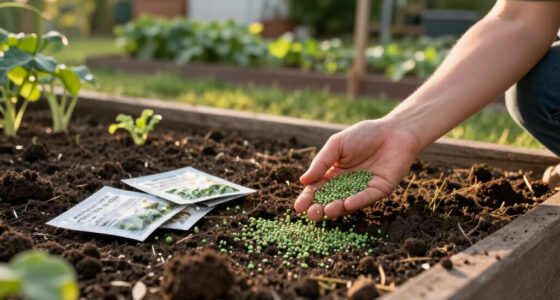
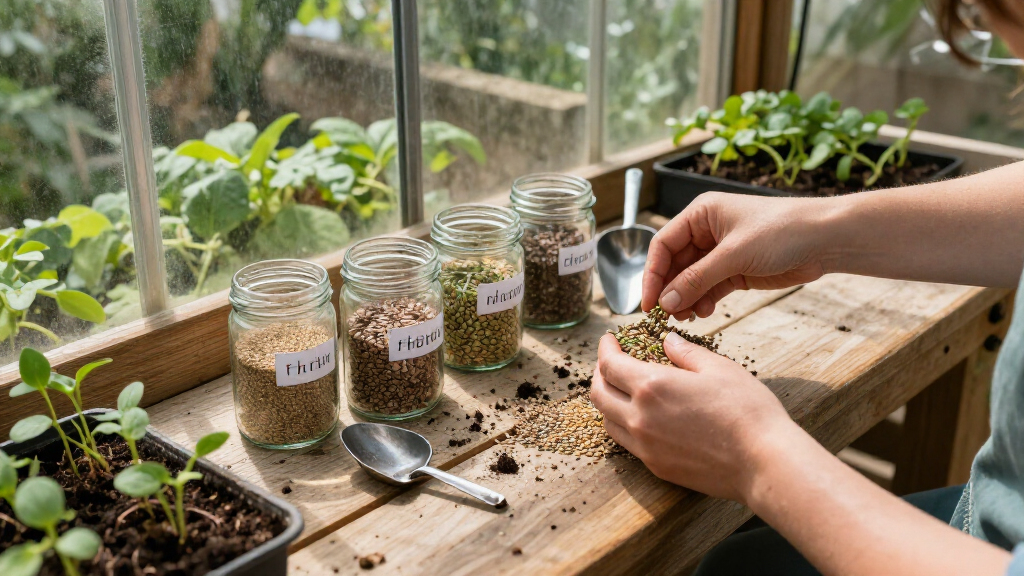
An Amateur Gardening report advises keeping unused seeds sealed in a rodent-proof container in cool, dry, dark conditions, rather than in a sunny shed or damp spot. Seed life varies: the report says parsnip and parsley seeds can lose viability within about a year, while some larger seeds may last much longer; actual germination depends on the seed and how it was stored.
An Amateur Gardening report says gardeners can help unused seeds last longer by keeping packets cool, dry and dark in a rodent-proof container, instead of leaving them in hot sunlight or damp storage. The advice matters to gardeners planning what to sow next season, though seed longevity varies by plant and storage conditions, and the report does not offer controlled test results for its examples.
The report advises gardeners to store seed packets in a sealed, rodent-proof container away from light, heat and moisture. It warns that a sunny shed or a damp location can damage seeds, and says opened packets should be resealed promptly after taking out the amount needed for sowing. It does not specify a single ideal temperature or humidity level.
Seed life differs among crops. The report says parsnip and parsley seeds can deteriorate within about a year, although some seeds may still germinate if gardeners sow them thickly. It says larger seeds, including cucurbits such as pumpkins, marrows and cucumbers, can remain viable for a decade or longer. Those are broad observations, not a guarantee for every packet or variety.
The article’s author also recounts trying very old, unopened seed packets and getting germination from some that were reportedly about 40 years old. The packets were sealed in foil, according to the account. This was an informal experiment: the report gives no sample sizes, germination rates or controlled comparison, so it cannot establish how commonly seeds survive that long.
Saving Seeds Between Growing Seasons
Good storage can help gardeners avoid discarding seeds that may still germinate, reducing unnecessary purchases and waste. It can also provide a reserve of favourite varieties for later seasons. But a packet’s age alone cannot show whether it will produce a healthy crop; germination rates and growing conditions matter too.
The practical approach is to treat stored seed as a possible resource, not a certainty. Before relying on older packets for a full planting, gardeners can test a small sample by placing seeds on a moist paper towel and checking how many sprout. If few germinate, they can sow more densely where appropriate or replace the packet.
Popular right now

Vitamix VX1 Professional-Grade Blender, 64 oz, Black

Vitamix 5200 Blender with 64 oz. Container, Black

Dyson V8 Cyclone Cordless Vacuum
As an affiliate, we earn on qualifying purchases.
Why Packet Age Is Not the Whole Story
The report addresses a familiar gap between seed-packet dates and actual viability. It says some seed may remain usable after a season, while poor storage can cause it to deteriorate sooner. Its central point is that storage conditions matter, but its examples do not establish a universal shelf life for each crop.
The author’s old-packet observations concern unopened foil packets; the article does not report equivalent results for opened packets or seeds stored in paper. It also suggests vegetable seeds performed better than floral seeds in those trials, but gives no figures or method to verify that comparison. Gardeners should not interpret the anecdote as evidence that all seeds will last for decades.
“In a perfect world we’ll keep unused seed in a rodent-proof container in the dark, dry and cool.”
— Amateur Gardening report
How Long Each Packet Will Germinate
The report does not identify the varieties, production dates, exact storage conditions or germination rates for its old-seed tests. It also does not set out a crop-by-crop schedule that would predict how long a packet remains usable. The stated durations should be read as general observations rather than guarantees.
Whether an older packet will sprout depends on factors not detailed in the report, including the seed’s condition before storage and the conditions it experienced afterward. It remains unclear how representative the author’s decades-old examples are, or whether the same outcomes would apply to seeds kept in different packaging or locations.
Check Seeds Before Sowing
Gardeners can put the advice into practice now by moving packets from hot, damp or sunlit spots to a cool, dry, dark place, sealing opened packets and protecting the container from rodents. Keep packet labels with the seeds so crop names and dates remain identifiable.
Before committing a bed or tray to older seed, test a small sample and use the result to guide sowing. The report does not announce further testing or a new storage standard; its recommendation is practical care followed by checking whether the seed still germinates.
Key Questions
Where should I store unused seed packets?
Store them in a cool, dry, dark, rodent-proof container. Avoid direct sunlight and damp locations, which the report says can shorten seed life.
Should opened packets be thrown away after one season?
Not necessarily. The report says packets may remain usable if they are resealed promptly and stored well, but viability varies by crop and conditions.
Which seeds may lose viability sooner?
The report names parsnip and parsley as seeds that can deteriorate within about a year. It does not present this as a guaranteed expiry date for every packet.
Can very old seeds still germinate?
Some can: the author reports germination from a few packets said to be about 40 years old. That was an informal test, not evidence that most seeds last that long.
How can I check whether old seeds are still viable?
Test a small sample before sowing the full packet. A simple check is to place several seeds on a moist paper towel and see how many sprout; the report does not specify a formal testing method.
Source: amateurgardening.com