TL;DR

Get garden gear delivered free with Prime
- Fast, free delivery on millions of items
- Prime Video, Amazon Music and more included
- Member-only deals all year
An Ideal Home gardening report recommends five plants that experts say can cope with windy conditions: hardy geraniums, ornamental grasses, photinia, lavender and hawthorn. Their resilience depends on factors such as exposure, establishment and soil conditions; the report does not claim any plant is immune to storm damage.
Ideal Home has published a list of five plants that horticultural experts recommend for gardens exposed to autumn and winter winds: hardy geraniums, ornamental grasses, photinia, lavender and hawthorn. The recommendations explain how each may cope with breezy conditions, but they are not a guarantee that plants will withstand every storm.
Hardy geraniums are low-growing and form dense clumps, according to Richard Barker, horticultural expert and commercial director at LBS Horticulture. He says their foliage and compact growth can keep them lower than the strongest winds and help stabilise the soil around individual stems.
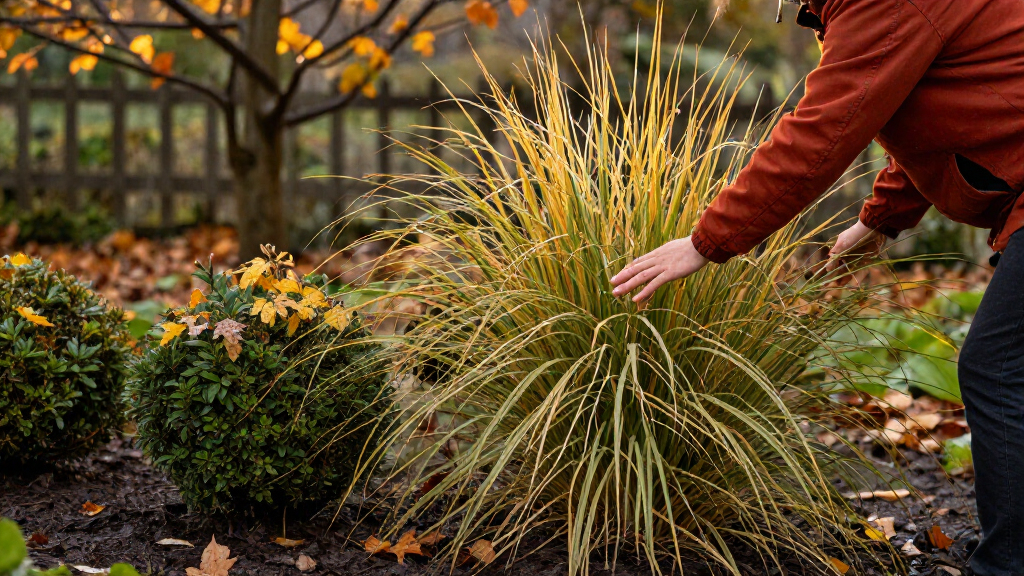
Ornamental grasses are recommended because their stems can move with the wind. Stephanie Harrod, founder of Harrod Horticultural, names Calamagrostis ‘Karl Foerster’ as a variety that can suit exposed borders. Barker says photinia has flexible wood and dense foliage; once established, its roots can help anchor it in the ground.
Lavender may suit sunny, exposed places, Harrod says, but needs free-draining soil because wet roots can cause problems. Hawthorn, a UK-native hedging plant, allows some wind through rather than forming a solid barrier, Barker says. He describes its branches as flexible and says it can recover from hard winter pruning.
Choosing Plants for Exposed Borders
Strong winds can damage stems and foliage, leaving garden borders less attractive and potentially requiring repairs or replacement. Choosing plants with low, clumping growth, flexible stems or a structure that lets wind pass through may help gardeners manage exposed areas. These traits are the reasons the experts give for their recommendations, not proof that the plants cannot be damaged.
The list also highlights that site conditions still matter. Lavender’s need for free-draining soil is one example: a plant selected for wind tolerance may still struggle if its growing conditions are unsuitable. The report offers options for planting, rather than a storm-proofing guarantee or a substitute for assessing a particular garden’s exposure.
Popular right now

Apple AirPods Pro 3 Wireless Earbuds with Active Noise Cancellation

KitchenAid Classic Series 4.5-Quart Tilt-Head Stand Mixer, Onyx Black

LG 85-Inch QNED84B Mini LED 4K Smart TV (2026)
As an affiliate, we earn on qualifying purchases.
Expert Advice for Windy Seasons
The recommendations come from an Ideal Home gardening report about preparing gardens for less favourable autumn weather and winter winds. It draws on comments from Richard Barker of LBS Horticulture and Stephanie Harrod of Harrod Horticultural, who discuss plant structure and growing conditions.
The source lists potential plants and examples of varieties, but it does not provide comparative trials, wind-speed thresholds or a ranking of which plant performs best. It also includes retailer listings and prices; those details can change and are not needed to assess the horticultural advice.
“Hardy geraniums are good for windy gardens because they are low-growing and have dense foliage.”
— Richard Barker, horticultural expert and commercial director at LBS Horticulture, on hardy geraniums
Limits of the Plant Recommendations
The source does not state how much wind any of the five plants can withstand, or how their performance varies with cultivar, age, planting position or local conditions. Barker’s and Harrod’s comments are expert recommendations, not results from a reported side-by-side trial. The advice also does not mean that established plants cannot suffer damage in severe storms.
It is not clear from the material whether any of the named plants will thrive in every UK region or soil type. Gardeners should check a plant’s specific requirements and local conditions before planting; the report gives particular attention to sun and drainage for lavender.
Planning Before the Next Gale
The report does not announce a follow-up study or provide a forecast for particular storms. Gardeners considering these plants can use the recommendations to review exposed borders, then check the suitable planting conditions and varieties for their site. For lavender, that means paying attention to sunlight and free-draining soil; for a hawthorn hedge, it means deciding whether native hedging suits the space.
Whether a plant establishes successfully—and how it fares in a future storm—will depend on local conditions. The source gives no performance timetable or storm-resistance guarantee.
Key Questions
Which five plants does the report recommend for windy gardens?
The list names hardy geraniums, ornamental grasses, photinia, lavender and hawthorn.
Are these plants guaranteed to survive storms?
No. The report presents them as plants experts recommend for windy conditions, but gives no guarantee that they will avoid damage in every storm.
What should gardeners know about growing lavender in an exposed spot?
Stephanie Harrod recommends lavender for a sunny, exposed spot and says it needs free-draining soil because wet roots can cause problems.
Why is hawthorn suggested for windy gardens?
Richard Barker says hawthorn hedging lets some wind filter through instead of acting as a solid wall, and that its branches can flex in strong winds.
Source: idealhome.co.uk