TL;DR

Get garden gear delivered free with Prime
- Fast, free delivery on millions of items
- Prime Video, Amazon Music and more included
- Member-only deals all year
Gardening Know How’s fall bird-care report recommends five practical preparations: provide high-energy food, keep water available, and improve shelter and feeding areas before hard freezes arrive. The advice is general guidance; the report does not provide measured evidence that these steps guarantee bird survival or more visits.
Gardening Know How has published a five-step fall checklist for people who want to support backyard birds through winter, urging them to prepare feeding and water areas before hard freezes. The report focuses on high-energy food, reliable water and sheltered yard setup, while its headline’s promise of more bird visits is not backed by quantified results in the material provided.
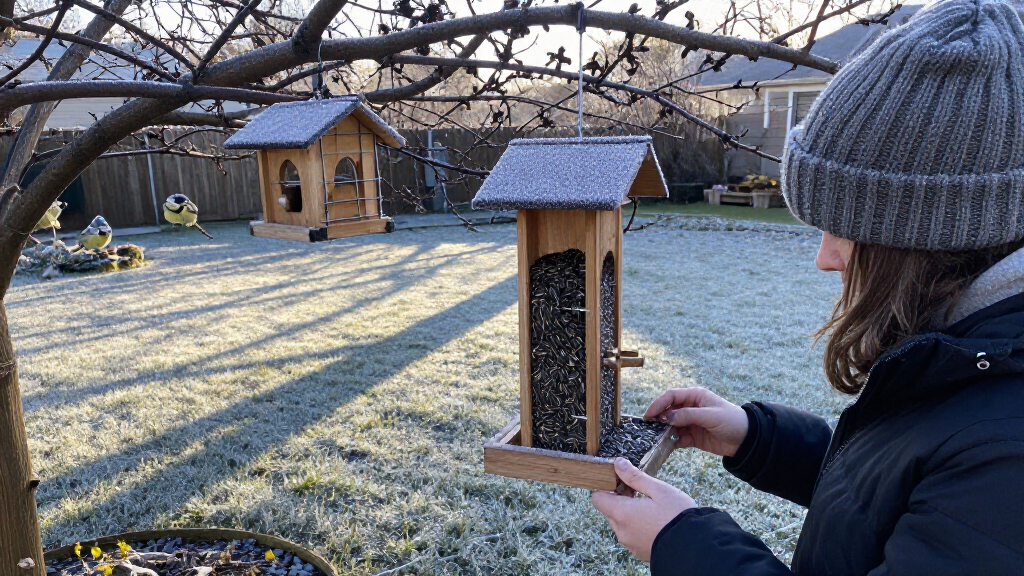
The guide says winter brings tighter demands on small birds as insects become scarce, berries are eaten and bare branches offer less cover from wind and rain, making winter bird care important. It recommends replacing low-energy filler such as red milo with black-oil sunflower seed, and offering sunflower chips on low platforms for ground-feeding birds. The report also suggests suet cakes, peanuts and dried mealworms as food options for different species.
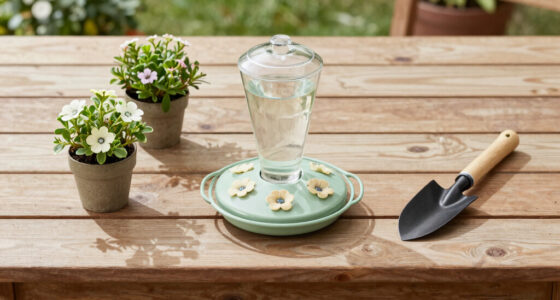
A second recommendation is to keep bird baths usable instead of allowing them to freeze. The report says birds need access to water and warns that relying on snow can cost them energy, a concern also addressed in advice on supporting backyard birds. It does not give detailed instructions for preventing ice or specify a particular bath heater. Feeders and platforms should drain after rain, the guide says, to reduce the risk of mold.
The supplied report excerpt introduces the water advice but does not include the full descriptions of all five steps. It also advises surveying the yard for morning light and places sheltered from north winds, and placing feeding or water stations about 10 feet (3 meters) from protective shrubs and nearby waiting branches, alongside other ways to help backyard birds. That distance is presented as a planning suggestion, not as a measured guarantee of safety.
Food and Water Before Freezes
The advice is aimed at a short seasonal window: birds may need to find dependable food and water before frozen ground and severe weather make foraging harder. Making a yard’s resources available earlier can give resident birds time to incorporate them into their routes, according to the report. The practical point for homeowners is to prepare before the first hard freeze, rather than waiting until winter conditions have already set in.
The suggestions are low-effort changes to existing yards, but they are not a guarantee that birds will survive or that a particular species will visit. Food choices may attract different birds, and local wildlife varies by region. The report’s claims about energy needs and seasonal pressures are explanatory guidance; it does not cite a study or provide outcome data showing how much any one action changes survival.
Popular right now

Breville BES870BTR Barista Express Espresso Machine, Black Truffle

Breville Barista Express Espresso Machine, Black Sesame

KitchenAid Classic Series 4.5-Quart Tilt-Head Stand Mixer, Onyx Black
As an affiliate, we earn on qualifying purchases.
A Short Window for Yard Prep
Gardening Know How frames late fall as a period when conditions can shift quickly from mild weather to frost. It says resident birds establish foraging routes in early winter, making fall preparation useful before temperatures plunge. The guide notes that local climate and USDA hardiness zone affect timing: it recommends earlier attention to fats and ice-free water in colder zones 3–5, while warmer zones 7–10 may also see migrating or nomadic species.
The source’s headline advertises five easy wins, but the material supplied here gives detailed descriptions only for high-energy food and fresh water, alongside general site-planning advice. The product links and brand names in the original guide are not necessary to follow its core recommendations.
““Early winter is when resident birds establish foraging routes.””
— Gardening Know How
What the Guide Does Not Show
The provided source material does not include the full text of all five recommendations, so the remaining steps cannot be reported in detail from this material alone. It also does not identify research supporting a specific survival benefit, quantify changes in bird visits, or establish that its suggested feeder placement works equally well in every yard. The effects of weather, local species, predators and food availability are not assessed.
The report does not specify how to keep a bath ice-free, how often to clean feeders, or which maintenance practices readers should follow. Those details should not be inferred from its general recommendation to provide fresh water and allow rain to drain from feeders.
Prepare Before the First Freeze
The report’s immediate advice is to survey the yard and set up food and water stations in late fall, adjusting timing to local climate. Homeowners can watch which foods are taken and which birds visit, then adapt their setup to local conditions. The source does not announce a follow-up study or a later deadline; the next relevant milestone is the arrival of freezing weather in each region.
Key Questions
What food does the guide recommend for winter birds?
It recommends black-oil sunflower seed, sunflower chips, suet, peanuts and dried mealworms. Different foods may appeal to different species.
When should I prepare my yard?
The report advises setting up before hard freezes arrive. It says colder regions may need to prepare earlier than warmer areas.
How far from shrubs should a feeding station be?
The guide suggests about 10 feet (3 meters) from protective shrubs, with nearby branches where birds can wait. It presents this as general yard-planning advice, not a guaranteed safety rule.
Does the report prove these steps help birds survive?
No measured survival results are included in the supplied material. The steps are seasonal recommendations, and the report does not quantify their effect on survival or bird visits.
Source: gardeningknowhow.com