
TL;DR

Get garden gear delivered free with Prime
- Fast, free delivery on millions of items
- Prime Video, Amazon Music and more included
- Member-only deals all year
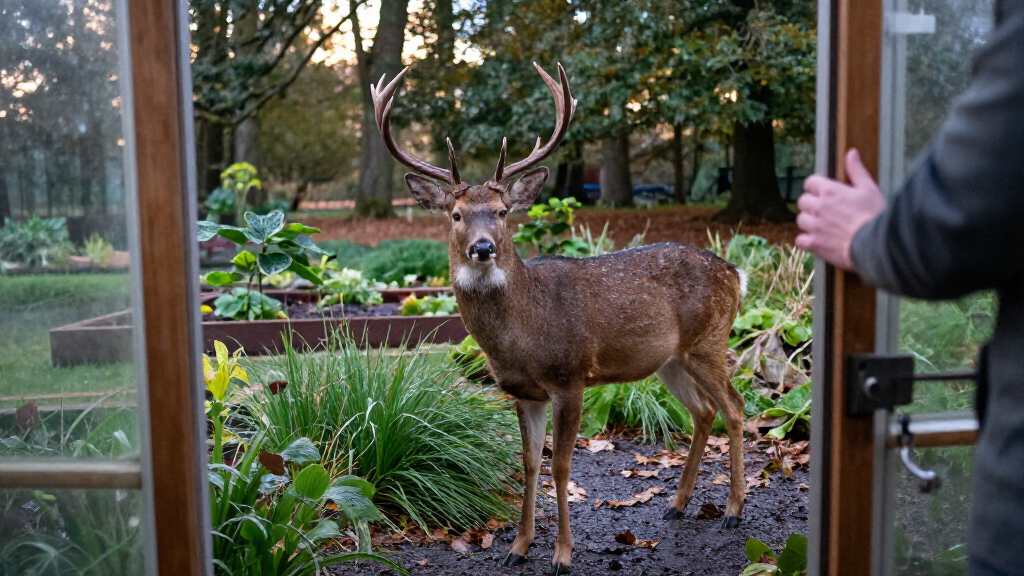
An Outdoor Life article published Oct. 27 describes nine reported differences between mature whitetail bucks and younger deer, including body shape, antlers, movement and bedding habits. The piece draws on hunting observations and references research on buck movement, but the supplied excerpt does not identify the studies or provide the remaining details of all nine traits.
The article says older bucks tend to have a heavier, more muscular build than younger deer. It describes yearlings as resembling small does with antlers, two-year-olds as larger and doe-like, and three-year-olds as more muscular but not yet fully filled out. At around four years, bucks may show heavier shoulders, necks and briskets; bucks five and older may carry more weight and develop a pot belly or a sway in the back. These are field indicators, not a precise age test.
Antlers vary among individual deer, Kish writes, but older bucks may show more mass around the bases and unusual points such as kickers, stickers or drop tines. The article cautions indirectly against relying on antler size alone: mature deer may retain distinctive antler character even as their antler size declines with age, and a larger rack by itself does not establish a buck’s age.
The guide also describes differences in movement and habitat use. It says bucks can have different behavioral tendencies, including being more mobile, aggressive or passive, and notes that one study found 33 percent of bucks had a mobile personality. The excerpt does not identify that study. It also says research has found buck home ranges and core areas generally become smaller with age, as animals learn local bedding areas, food sources and safer routes.
Outdoor Life · Field Guide · October 27, 2026
The 9 Ways That Mature Bucks Are Different Than Other Deer
A guide to reported differences in mature whitetail bucks—from body shape and antlers to movement, home ranges, and bedding. The supplied excerpt details only part of the nine-trait list.
What the excerpt covers
Reported differences · 01–06The available text names six areas, but does not provide the full bedding discussion or the remaining three traits. Treat this as a map of the excerpt, not a verified complete list.
Heavier build
Older bucks may develop more muscle and weight, especially through the shoulders, neck, and brisket.
Distinctive character
More base mass or unusual points may appear. Individual variation is substantial, and rack size alone cannot establish age.
Different tendencies
Bucks may be more mobile, aggressive, or passive. The excerpt reports one study in which 33% had a “mobile personality.”
Smaller ranges
Research is summarized as finding that home ranges and core areas generally shrink with age.
Familiar ground
Older bucks may learn nearby bedding cover, food sources, and safer routes through their range.
Cover and terrain
The excerpt begins describing bedding-site use of terrain and wind, then cuts off before the explanation is complete.
Body shape across age
Field indicators · Not a precise age testDavid Kish describes a gradual change in frame and muscle. These visual cues can help inform an estimate, but individual deer and conditions vary.
Small frame
May resemble a small doe with antlers.
Doe-like
Larger than a yearling, but still described as doe-like.
More muscle
More muscular, though not yet fully filled out.
Heavier front
Shoulders, neck, and brisket may look heavier.
More weight
A pot belly or sway in the back may develop.
Reading an older buck in the field
Pattern clues · Not guaranteesThe article’s practical point is to combine physical and behavioral clues. A food source can show deer activity without revealing where a mature buck spends daylight hours or how it approaches.
Observe build
Look at the whole frame, especially shoulders, neck, and body profile.
Note antler traits
Record mass and unusual points without treating rack size as an age verdict.
Track patterns
Consider movement, familiar routes, and where the animal may bed.
Keep uncertainty
Habitat, conditions, and individual behavior can change what you see.
How strong is the evidence?
Source limitsThe excerpt describes physical cues and summarizes research on movement, home ranges, and core areas.
No study authors, dates, locations, sample sizes, or links are supplied. The text cuts off during trait six.
Antlers vary by individual. Mature deer may retain distinctive character even as antler size declines.
Body shape and field signs can inform judgment, but the excerpt does not present them as definitive aging methods.
The complete nine-trait list is not confirmed here.
The supplied source ends during its sixth section, on bedding habits. Consult the complete Outdoor Life article for the remaining details and any supporting citations. This infographic reflects only the excerpt provided.
Reading Older Bucks in the Field
For hunters, the distinctions matter because mature bucks may be harder to locate and approach than younger deer. Kish’s account describes older animals using familiar ground, bedding cover and terrain to reduce exposure to people. That means simply seeing deer activity at a food source may not reveal where an older buck spends daylight hours or how it reaches that area.
The article presents these patterns as guidance, not a guarantee that every mature buck behaves the same way. Its point is that hunters may improve their estimates by looking at multiple physical and behavioral clues rather than judging age from antlers alone. Individual differences, habitat and conditions can shape what a hunter observes.
Popular right now

Samsung 42-Inch S90H OLED 4K Smart TV Bundle

Bose QuietComfort True Wireless Earbuds with Active Noise Cancellation, Black

KitchenAid Classic Series 4.5 Quart Tilt-Head Stand Mixer (K45SS), Onyx Black
As an affiliate, we earn on qualifying purchases.
The Traits Behind the Guide
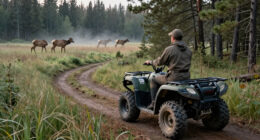
Kish frames the article with a post-rut, cold-weather scene: deer are feeding ahead of an approaching snowstorm, while a buck described as five years old remains in cover during daylight. The scene illustrates the article’s central claim that mature bucks can behave differently from the rest of a herd, even when weather and food draw other deer into the open.
The supplied text lists physical build, antler characteristics, behavioral tendencies, smaller home ranges and core areas, knowledge of the environment, and specific bedding habits. The source excerpt ends while discussing how deer use terrain and wind around bedding sites. It does not include the complete list or supporting citations for each claim.
““A deer and a mature buck are two different animals.””
— David Kish, Outdoor Life
Limits of the Available Evidence
The supplied source ends during its sixth section, on bedding habits, despite presenting the headline as a guide to nine differences. The remaining three traits, and the full explanation of bedding behavior, are not available in the provided text.
The excerpt refers to “numerous studies” on home ranges and core areas and to one study on movement tendencies, but it gives no authors, dates, locations, sample sizes or links. The claims therefore cannot be independently evaluated from this material. Age estimates based on body shape and antlers are also described as field judgments, not definitive measurements.
The Complete Nine-Trait List
The next step for readers seeking the full account is to consult the complete Outdoor Life article, which may provide the final three traits and additional detail on bedding. Until that material is available, this report is limited to the claims and examples in the supplied excerpt; the complete nine-part list is not confirmed here.
Key Questions
What is the article’s main point?
Outdoor Life says mature whitetail bucks may differ from younger deer in body structure, antler traits, movement and habitat use, which can affect how hunters locate them.
Can antlers alone show a buck’s age?
No. The article says antlers vary among deer. It describes traits that may be more common in older bucks, including heavier mass and unusual points, but does not present antler appearance as a definitive age test.
Do older bucks have larger home ranges?
The article says research has generally found the opposite: home ranges and core areas decrease with age. The supplied excerpt does not provide the studies or their details.
What does the source say about buck personalities?
It uses “personality” informally for movement and behavioral tendencies, such as being more mobile, aggressive or passive. Kish cites a study finding that 33 percent of bucks had a mobile personality, but the excerpt does not identify the study.
Are all nine differences available in this report?
No. The supplied source cuts off during the bedding section, so the final traits and some supporting detail are not included.
Source: outdoorlife.com