TL;DR

Get garden gear delivered free with Prime
- Fast, free delivery on millions of items
- Prime Video, Amazon Music and more included
- Member-only deals all year
Gardening Know How recommends plain basket coffee filters as a surface for drying cleaned, freshly harvested seeds. The tightly woven paper can make dried seeds easier to remove than seeds dried on absorbent paper towels, but the filter does not replace cleaning, suitable storage or crop-specific preparation.
Gardening Know How has recommended plain basket coffee filters as a low-cost way to dry cleaned, freshly harvested seeds, saying their smooth, tightly woven surface can make seeds easier to remove than seeds dried on paper towels. The advice matters to home gardeners saving seeds for next year: paper fibers can cling to wet seeds and make handling more difficult, though the filter is only one part of seed preparation and does not guarantee successful germination.
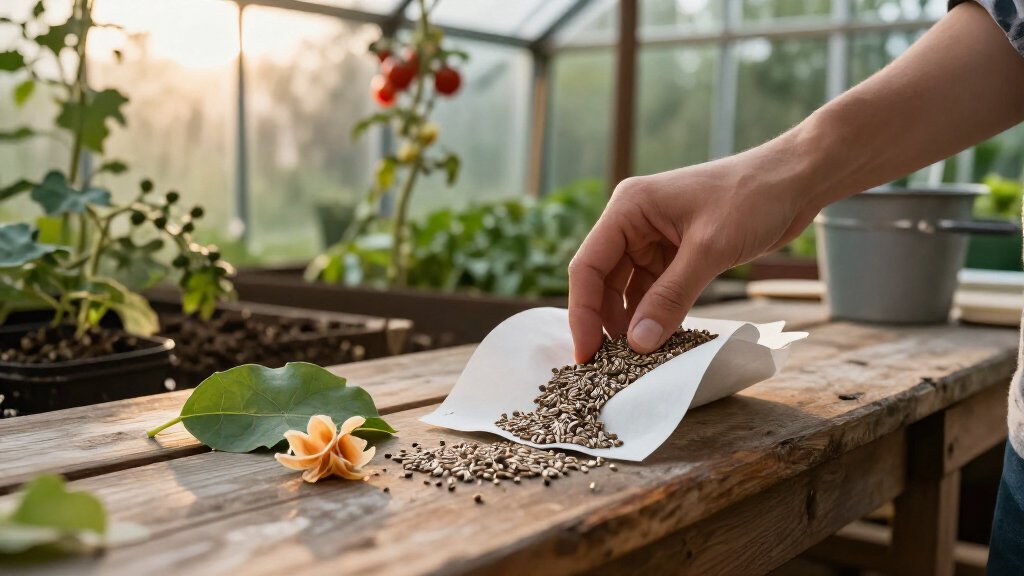
The report focuses on a common problem with saving seeds from crops such as tomatoes and cucumbers: wet seeds and their surrounding gel or pulp can dry onto an absorbent paper towel. Gardening Know How says that once this material dries, seeds may be difficult to separate without tearing the seed coat or leaving paper fibers attached. It presents coffee filters as an alternative drying surface, not as a substitute for cleaning seeds or preparing them for storage.
Plain white or unbleached basket filters are the recommended type. The report says their dense paper lets moisture pass through while offering a smoother surface than a typical paper towel, so seeds dry on top rather than embedding in loose fibers. Once dry, seeds may come free with a gentle flex of the filter or a light tap. The report notes that seeds with pulp still attached may remain more difficult to remove.
Preparation varies by crop. For tomato and cucumber seeds, the article recommends first separating seeds from gel and rinsing them; it describes fermentation as one option. It gives a different, simpler approach for crops such as peppers and winter squash, including removing pulp and rinsing where needed. After rinsing, seeds should drain before going onto the filter, so excess water does not soak the paper.
A Simpler Surface for Saved Seeds
For gardeners who save seeds from a fall harvest, the practical benefit is easier handling: a seed that releases cleanly from its drying surface is less likely to be damaged during removal. This can reduce one avoidable source of waste, especially when a gardener has only a small number of seeds from a favored plant. The report does not provide comparative testing or germination data, so it does not establish that coffee filters produce higher germination rates or larger yields.
The tip is inexpensive and uses a common household item, but seed viability depends on more than the drying surface. Seeds still need to be mature, cleaned appropriately, dried fully and stored in suitable conditions. A filter can help with the drying step; it cannot correct poor seed selection, incomplete cleaning or unsuitable storage.
basket coffee filters for seed drying
As an affiliate, we earn on qualifying purchases.
As an affiliate, we earn on qualifying purchases.
Cleaning Comes Before Drying
The source report distinguishes crops with wet, sticky seed coverings from those that are easier to process. It describes tomato seeds as enclosed in a gelatinous coating and says cucumber seeds also have slippery coatings. Squash can have stringy pulp, while berries may need their seeds separated from soft fruit. These differences explain why one preparation method will not suit every harvest.
For tomatoes and cucumbers, Gardening Know How describes fermenting seeds in a small amount of water for two to three days at about 72–80°F (22–27°C), stirring daily, then pouring off liquid and rinsing the seeds that settle. This is the report’s guidance, not a universal protocol for every crop. Peppers, beans and squash have different handling needs, and gardeners should identify the crop before applying a method. The coffee filter comes after these cleaning steps, during drying.
unbleached paper coffee filters for gardening
As an affiliate, we earn on qualifying purchases.
As an affiliate, we earn on qualifying purchases.
Germination Results Are Unreported
The source material offers gardening advice but does not cite a controlled comparison of coffee filters and paper towels, measured germination rates, or trials across different seed types. Its claims about easier release are presented as practical guidance, not quantified findings. It is also unclear how drying time varies with room humidity, airflow, filter brand and the amount of pulp left on seeds.
The supplied source text ends before completing its drying instructions. It does not state a specific drying duration, a test for confirming seeds are fully dry, or detailed storage conditions. Gardeners should not assume that seeds are ready for storage just because they have detached from the filter; crop-specific guidance may be needed.
As an affiliate, we earn on qualifying purchases.
Dry, Label and Store Carefully
After cleaning and draining seeds, spread them in a single layer on a plain basket coffee filter and let them dry in a suitable, well-ventilated place. Check them rather than relying on a fixed time, since the source does not provide a drying schedule. Once dry, label saved seed by crop and variety, along with the harvest date, and store it in a cool, dry location appropriate for that seed.
Gardeners planning to use the seeds next season can then test a small sample before committing valuable planting space. The report’s central advice remains modest: use the filter to make the drying and removal stage less troublesome, while treating cleaning, dryness and storage as separate steps that affect whether saved seeds remain useful.
As an affiliate, we earn on qualifying purchases.
Key Questions
Why use a coffee filter instead of a paper towel?
Gardening Know How says a plain basket filter has a denser, smoother surface, which can make dried seeds easier to remove than from absorbent paper towels. The report provides no comparative germination trial.
Can I put freshly scooped tomato seeds straight on the filter?
The report recommends cleaning tomato seeds before drying. It describes separating seeds from their gel, using fermentation as one approach, and rinsing them before draining and spreading them on a filter.
Which coffee filters does the report recommend?
It recommends plain white or unbleached basket filters. It says heavier cone filters can be stiffer and advises against textured or quilted paper towels for this use.
Does using a filter guarantee seeds will grow?
No. A coffee filter is a suggested drying surface, not a guarantee of viability or germination. Seed maturity, cleaning, complete drying and storage also matter.
Source: rss
Halloween Picks
halloween
As an affiliate, we earn on qualifying purchases.