
TL;DR

Get garden gear delivered free — and shop member deals
- Fast, free delivery on millions of items
- Access to Prime Big Deal Days deals on October 6–7
- Prime Video, Amazon Music and more included
A Homes & Gardens report says gardeners should consider leaving coneflowers standing in October rather than deadheading them. Their seedheads can provide food for birds and small mammals, while stems offer shelter and add winter structure; experts generally recommend major cleanup in spring, with exceptions for disease or damage.
Gardeners are being advised to leave coneflowers standing in October rather than deadheading them, because their mature seedheads can feed wildlife and their stems provide winter shelter and visual structure. The advice appears in a Homes & Gardens report drawing on comments from gardening and wildlife specialists; it is guidance, not a rule for every garden or every plant condition.
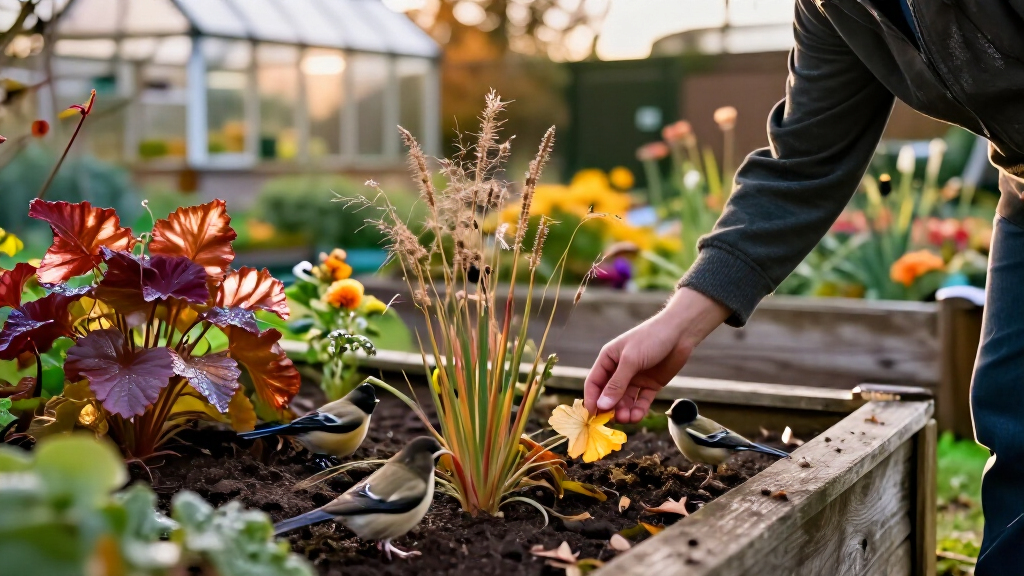
As coneflower petals fade, the raised central cones dry and harden, forming seedheads that birds can forage from during colder months. Kelly Funk, president and CEO of Jackson & Perkins, said the cones become a natural feeding station and that standing stems add height and structure after much of the garden has gone dormant. The report names chickadees, blue jays, cardinals and finches among birds that may visit.
Ben Rotteweel, co-owner of Dutch Grown, described the seeds as a food source for birds and said American goldfinches can cling to stems to pick them out. Nikki Bruner, a horticulturalist at Perfect Plants, said mice, squirrels and chipmunks also gather seeds. The report presents these benefits as expert guidance; it does not quantify how much wildlife a particular planting will support.
Standing plants may offer more than food. Rotteweel said the cones can help insulate the plant crown, while hollow or pithy stems can provide structure for overwintering native bees. Plant debris can also shelter predatory insects such as lacewings and lady beetles. In winter borders, the upright, weathered seedheads can remain visible above frost or snow, adding texture and shape.
Seeds and Shelter Through Winter
Leaving coneflowers intact can make a practical difference to a garden’s winter habitat. When gardeners cut back every perennial in autumn, they may remove available seeds and sheltered spaces that wildlife can use during a less active season. The report’s advice offers a simple alternative to a fully cleared border: tidy paths and patios where needed, while allowing suitable plants to remain in beds and quieter corners.
The choice also affects how a garden looks. Dried stems and cones preserve height and texture when other plants have died back. This does not mean every gardener must keep all spent flowers indefinitely: the advice weighs wildlife value and winter appearance against the needs of the specific site and the condition of the plants.
As an affiliate, we earn on qualifying purchases.
Why October Cleanup Can Wait
Coneflowers, including species of Echinacea, are familiar late-summer perennials with daisy-like blooms and distinctive raised centers. Their value in the garden continues after the petals fade, when the central cones mature and seeds become available. That seasonal change is the basis for the report’s recommendation to postpone routine deadheading.
Mary Phillips, head of Native Plant Habitat & Certifications at the National Wildlife Federation, said spring is generally the better time for major cleanup. She recommended waiting until daytime temperatures are consistently above 50°F for at least seven consecutive days, giving overwintering wildlife time to emerge. The report also says damaged plants in visible areas can be cut to 12–18 inches, with the trimmings left as mulch or moved elsewhere.
“The dried cones become a natural feeding station for birds through winter.”
— Kelly Funk, president and CEO of Jackson & Perkins
winter garden plant shelter structures
As an affiliate, we earn on qualifying purchases.
As an affiliate, we earn on qualifying purchases.
When Leaving Plants Is Not Suitable
The advice does not establish that every coneflower should be left untouched. The report mentions disease and powdery mildew as reasons to remove plant material and begins to identify aster yellows as a serious exception, but the supplied material ends before explaining the recommended response. It does not provide a complete disease-management protocol.
Wildlife use will also vary with local species, weather and garden conditions. The report offers expert observations rather than measured figures on how many animals benefit or how much food the seedheads provide. Gardeners should judge damaged or diseased plants individually rather than treating the seasonal guidance as an absolute rule.
As an affiliate, we earn on qualifying purchases.
Plan Cleanup for Spring
For healthy coneflowers, the guidance is to keep stems and seedheads through fall and winter, then reassess the border in spring. Phillips’s temperature guideline—daytime highs above 50°F for seven consecutive days—is a suggested cue for major cleanup, not a date that applies equally in every location.
If storm damage makes a plant untidy or unsafe, the report says it can be shortened to 12–18 inches; cut stems and foliage may be used as mulch or moved to a less visible area. Plants showing disease require separate judgment, and the source material does not specify a full treatment plan.
garden plant protection for winter
As an affiliate, we earn on qualifying purchases.
As an affiliate, we earn on qualifying purchases.
Key Questions
Should I deadhead coneflowers in October?
The report’s experts advise leaving healthy coneflowers standing through fall and winter. Their seedheads can feed wildlife, and the stems can offer shelter and winter structure.
Which animals may use coneflower seedheads?
The report names finches, chickadees, blue jays and cardinals among potential bird visitors. Horticulturalist Nikki Bruner also says mice, squirrels and chipmunks gather the seeds.
When should coneflowers be cut back?
Mary Phillips of the National Wildlife Federation says spring is generally the best time for major cleanup, after daytime temperatures stay above 50°F for at least seven consecutive days.
Can I trim coneflowers damaged by a storm?
Yes. The report says storm-damaged plants in visible areas can be cut to 12–18 inches. Stems and foliage can be left as mulch or moved to a less visible part of the garden.
Are there exceptions to leaving coneflowers standing?
Yes. The report identifies disease and powdery mildew as reasons to clear plant material and flags aster yellows as a serious concern, but the supplied source does not give a complete response plan.
Source: rss
Fall yard work Picks
leaf blowers
As an affiliate, we earn on qualifying purchases.