
TL;DR

Get garden gear delivered free with Prime
- Fast, free delivery on millions of items
- Prime Video, Amazon Music and more included
- Member-only deals all year
A recent trend highlights six common food scraps that can be repurposed to improve soil quality. Experts suggest these food waste items can provide nutrients and organic matter, promoting healthier gardens. The trend is gaining attention but remains largely anecdotal and unconfirmed by scientific studies.
Gardening experts and enthusiasts are increasingly promoting the use of six common food scraps to naturally enhance soil fertility, a trend that is gaining popularity across social media and gardening forums. While scientific validation is limited, many believe these items can provide valuable nutrients, reduce waste, and support sustainable gardening practices.
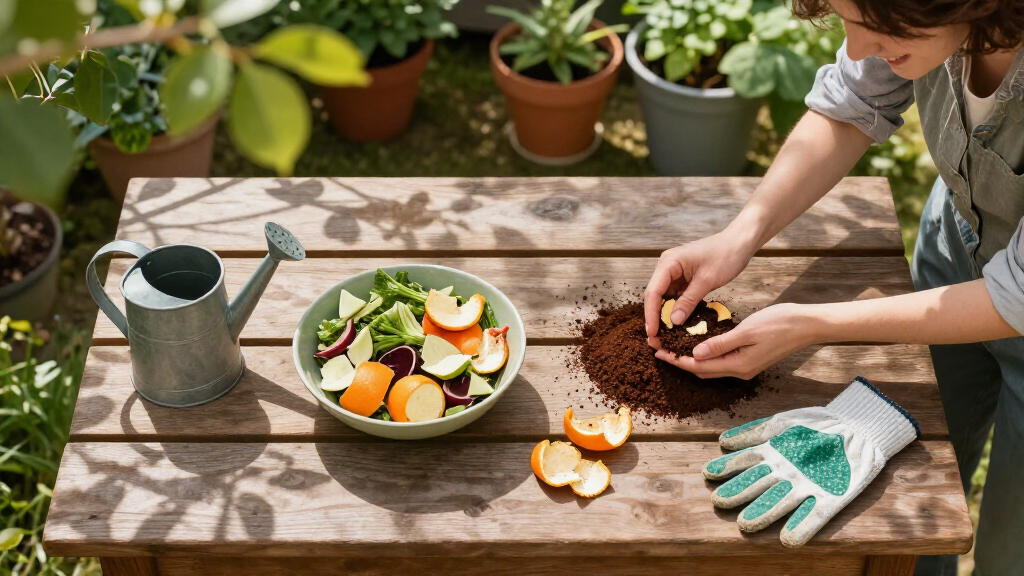
Recent online discussions and gardening blogs highlight six food scraps—coffee grounds, banana peels, eggshells, vegetable stems, citrus peels, and potato skins—as potential soil boosters. Advocates claim these materials can add essential nutrients, improve soil structure, and promote microbial activity. For example, coffee grounds are rich in nitrogen, while eggshells supply calcium, both vital for plant growth.
While these claims are popular among home gardeners, there is limited scientific research directly confirming their effectiveness. Experts caution that improper use or over-reliance on food scraps without proper composting can lead to imbalances or pests. Nonetheless, many gardeners report visible improvements in soil health and plant vigor when incorporating these scraps into their compost or mulch.
The trend appears to be driven by a desire for more sustainable, cost-effective gardening methods and a move away from chemical fertilizers. Social media posts show users experimenting with these scraps, often combining them with traditional composting techniques to maximize benefits.
Implications for Sustainable Gardening Practices
This trend could influence more gardeners to adopt eco-friendly waste management strategies, reducing household food waste while enriching their soil naturally. If validated by further research, using common food scraps could become a simple, accessible method to improve plant health and reduce reliance on synthetic fertilizers, supporting broader environmental goals.
However, the lack of scientific consensus means gardeners should approach these methods cautiously, balancing anecdotal successes with proper composting practices. Widespread adoption without understanding potential risks could lead to pest issues or nutrient imbalances.
organic compost bin for food scraps
As an affiliate, we earn on qualifying purchases.
As an affiliate, we earn on qualifying purchases.
Growing Interest in Food Waste as Garden Input
The idea of repurposing food scraps for gardening has gained momentum amid increased awareness of food waste and sustainability. Historically, composting has been a standard method for recycling organic waste, but recent online trends emphasize specific scraps for targeted soil benefits. The current surge in interest appears to be fueled by social media influencers, gardening communities, and environmental advocates promoting eco-friendly practices.
While scientific studies on the specific benefits of these six food scraps are limited, the broader concept of composting and organic soil enrichment remains well-supported. The trend’s popularity is also linked to rising home gardening during recent years, as more people seek affordable and sustainable ways to grow their own food.
Experts note that these practices should complement, not replace, established composting and soil management techniques. The trend’s unconfirmed status means further research is needed to establish definitive benefits and best practices.
As an affiliate, we earn on qualifying purchases.
Scientific Validation and Best Practices Still Unclear
While the trend is popular, there is limited scientific research confirming the specific benefits of these six food scraps for soil health. Experts warn that improper use could lead to pest attraction or nutrient imbalance, and optimal application methods are not yet established.
Further studies are needed to validate claims and develop guidelines for safe, effective use of these scraps in different soil types and climates. Until then, gardeners are advised to use these items as part of a balanced composting process rather than relying solely on them.
As an affiliate, we earn on qualifying purchases.
Research and Community Adoption to Clarify Benefits
Researchers are likely to investigate the soil-enriching properties of these food scraps further, aiming to establish evidence-based guidelines. Meanwhile, gardening communities will continue experimenting and sharing results, helping to refine best practices.
Gardeners are encouraged to document their experiences and consult local gardening experts to adapt these methods safely. As awareness grows, more formal studies may emerge to confirm or challenge current claims.
natural soil fertilizer for vegetables
As an affiliate, we earn on qualifying purchases.
As an affiliate, we earn on qualifying purchases.
Key Questions
Are these food scraps safe for all types of soil?
While generally safe in composted form, the effects can vary depending on soil type and local conditions. It is best to introduce them gradually and observe plant responses.
Can using food scraps replace traditional fertilizers?
Not entirely. Food scraps can supplement soil nutrients but should be part of a comprehensive soil management plan that includes other organic matter and, if necessary, fertilizers.
How should I prepare food scraps for gardening use?
Most scraps should be composted or buried in the soil to prevent pests and odors. Avoid using scraps that may attract pests or contain harmful residues.
Is there scientific evidence supporting this trend?
Currently, scientific evidence is limited. Most claims are anecdotal, and further research is needed to confirm the benefits and establish best practices.
Will this trend reduce food waste in households?
Yes, repurposing food scraps for gardening can help reduce household food waste, aligning with broader sustainability goals.
Source: rss
Halloween Picks
halloween
As an affiliate, we earn on qualifying purchases.