
TL;DR

Get garden gear delivered free with Prime
- Fast, free delivery on millions of items
- Prime Video, Amazon Music and more included
- Member-only deals all year
Search interest in powdery mildew, a common plant disease causing white leaf coating, is rising. Experts confirm it is a widespread issue in September, but severity and treatment vary. This article explains what it is, why it matters, and what gardeners should do.
Recent spikes in online searches about leaves turning white have brought attention to powdery mildew, a common fungal disease affecting a wide range of plants. Experts confirm that this issue is prevalent during September, especially in humid conditions, and can impact plant health if not managed properly. This trend indicates growing concern among gardeners and plant enthusiasts about identifying and controlling the disease, which can cause aesthetic damage and, in severe cases, reduce plant vigor.
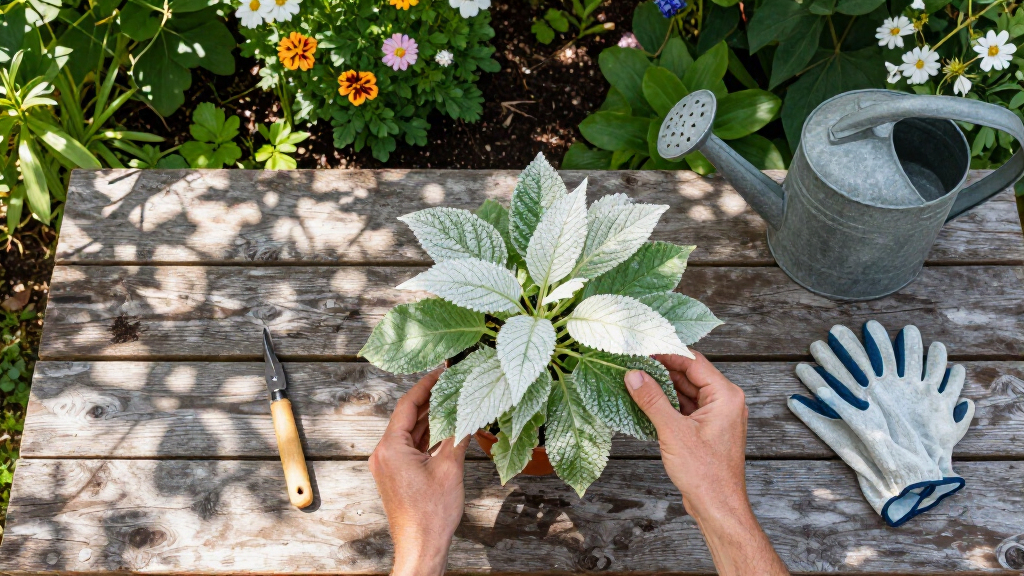
Powdery mildew is a fungal disease characterized by a white or grayish powdery coating on the surface of leaves, stems, and buds. It affects hundreds of plant species, including vegetables, ornamentals, and trees. The disease thrives in warm, dry conditions with high humidity, making late summer and early fall prime times for outbreaks. According to plant pathologists, the fungus spreads through spores that are easily airborne, leading to rapid infestations if environmental conditions favor growth.
While powdery mildew is primarily an aesthetic issue, it can weaken plants by impairing photosynthesis, leading to stunted growth, leaf drop, and reduced flowering or fruiting. It is not typically lethal but can diminish the overall health and appearance of affected plants. The problem has become more noticeable this September, possibly linked to recent weather patterns that promote fungal development, though specific environmental triggers are still being studied.
Gardening experts advise that early detection is key. Symptoms usually start as small, white spots that expand into a powdery layer covering entire leaves and stems. Identification is straightforward, but distinguishing powdery mildew from other issues like pest damage or nutrient deficiencies may require closer inspection or expert consultation. Treatment options include fungicidal sprays, cultural practices to improve air circulation, and removing infected plant material to prevent spread.
Impacts of Powdery Mildew on Garden Plants
This rising concern over powdery mildew matters because, if left untreated, it can lead to significant aesthetic damage and potentially weaken plants over time. For commercial growers and home gardeners alike, understanding how to recognize and manage this disease is essential to maintaining healthy, attractive plants. Additionally, increased awareness can help prevent the spread to nearby plants, reducing overall garden health risks. While powdery mildew is not usually deadly, its prevalence during September highlights the importance of timely intervention to preserve plant vigor and appearance.
As an affiliate, we earn on qualifying purchases.
Recent Trends and Environmental Factors in Powdery Mildew Outbreaks
Powdery mildew has been a known issue for centuries, but recent attention has surged due to increased online discussions and searches during late summer and early fall. Weather patterns, such as warm days combined with high humidity and poor air circulation, create ideal conditions for fungal growth. Experts note that climate change may be contributing to more frequent or severe outbreaks, although specific data linking recent weather events to the current spike is still under review. The disease’s prevalence varies by region, plant species, and local environmental conditions, making management strategies diverse and context-dependent.
Previous outbreaks have been linked to similar weather conditions, but the current surge in concern appears to be driven by heightened awareness and visible plant damage. It is unclear whether this trend will continue or subside as weather patterns change or as gardeners adopt more effective control measures.
As an affiliate, we earn on qualifying purchases.
Unconfirmed Links Between Weather Patterns and Outbreaks
While environmental factors are believed to influence powdery mildew outbreaks, specific links between recent weather conditions and the current spike in cases are not yet confirmed. Researchers are still analyzing weather data and plant health reports to determine if climate change or unusual weather patterns are directly contributing to increased incidence. Additionally, the effectiveness of various control methods in different regions remains under evaluation, and some gardeners report variable results.
As an affiliate, we earn on qualifying purchases.
Monitoring Weather and Improving Management Strategies
Researchers and horticulturists plan to continue monitoring environmental conditions and disease patterns throughout the season. Gardeners are advised to stay informed about local weather forecasts, adopt preventive cultural practices, and apply fungicides as needed. Future studies may clarify the relationship between climate variables and powdery mildew outbreaks, guiding more targeted management recommendations. Additionally, extension services and gardening organizations are likely to provide updated guidance on effective control measures in the coming weeks.
As an affiliate, we earn on qualifying purchases.
Key Questions
What are the main symptoms of powdery mildew?
The primary symptom is a white or grayish powdery coating on leaves, stems, and buds. It often begins as small spots that expand and cover large areas, potentially leading to leaf distortion and drop.
Is powdery mildew harmful to my plants?
While it rarely kills plants directly, it can weaken them over time by impairing photosynthesis and causing stress, which may reduce flowering and fruit production.
How can I prevent powdery mildew in my garden?
Good air circulation, proper spacing, avoiding overhead watering, and removing infected debris can help prevent outbreaks. Fungicides can be used as a preventative measure or early treatment.
Are there organic options to treat powdery mildew?
Yes, organic fungicides like neem oil, potassium bicarbonate, and sulfur-based products are available and can be effective when applied early and according to instructions.
Will weather changes reduce the risk of powdery mildew?
Changes in humidity and temperature can influence disease development. Cooler, less humid conditions tend to suppress powdery mildew growth, but ongoing weather patterns will determine future risk levels.
Source: rss
Halloween Picks
halloween
As an affiliate, we earn on qualifying purchases.