
TL;DR
Home gardeners are increasingly searching for reliable methods to protect their berries from animals. Experts recommend four proven strategies, including physical barriers and repellents, to safeguard fruit crops and maximize harvest enjoyment.
Home gardeners seeking to protect their berry crops from animals have found four methods that are widely regarded as effective, according to recent trend signals. These strategies aim to prevent animals such as birds, squirrels, and deer from damaging or consuming berries, allowing gardeners to enjoy their harvests without loss. While no new regulations or products have been announced, the increasing search interest indicates a growing concern among home growers.
Experts and gardening sources recommend four main strategies for protecting berries from animals: installing physical barriers like netting or fencing, using natural or commercial repellents, employing scare devices, and planting deterrent plants nearby. These methods have been reported as effective in various gardening communities and are gaining popularity as gardeners face more frequent animal intrusions. The approach to protection often depends on the type of animal and the specific crop, but these four techniques are considered reliable across different scenarios.
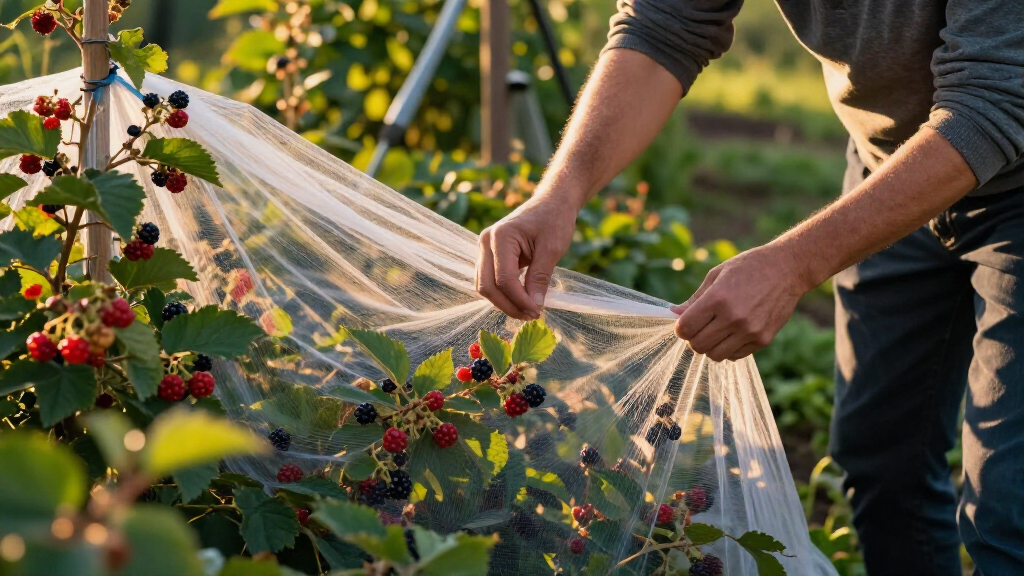
Physical barriers such as bird netting or deer fencing are among the most straightforward solutions. Gardeners are advised to ensure that netting is securely anchored and covers the entire berry patch to prevent animals from slipping underneath. Natural repellents, including certain scents or sprays, can be applied around the plants to deter animals without harming them. Scare devices like reflective tape, motion-activated sprinklers, or noise makers are also used to frighten animals away temporarily. Lastly, some gardeners plant aromatic or deterrent plants like garlic or marigolds near their berries, which animals tend to avoid.
While these methods are widely recommended, experts caution that no single solution guarantees complete protection, and combining multiple strategies often yields the best results. The rising interest in these techniques suggests that many gardeners are actively seeking ways to reduce crop loss without resorting to harmful chemicals or complex solutions.
Why Protecting Berries Matters for Gardeners
Protecting berry crops from animals directly impacts gardeners’ ability to enjoy fresh, homegrown fruit. Losses due to animal damage can discourage small-scale growers and reduce the yield for those who rely on their harvests for personal use or small sales. Implementing effective protection methods can increase harvest success, reduce frustration, and promote sustainable gardening practices. As interest in organic and chemical-free gardening grows, these non-invasive strategies become increasingly valuable for home growers seeking eco-friendly solutions.
As an affiliate, we earn on qualifying purchases.
Growing Concerns About Animal Intrusions in Gardens
In recent years, reports of increased animal activity in residential gardens have emerged, possibly linked to urban expansion and habitat encroachment. Gardeners have noted more frequent visits from birds, squirrels, deer, and other wildlife, which can cause significant damage to berries and other crops. The trend signals a need for effective, easy-to-implement protection techniques. Although no specific incident has triggered this surge in interest, the pattern aligns with broader environmental and urban development trends that bring wildlife closer to human habitats.
Previous years have seen seasonal spikes in garden protection concerns, but the current heightened search interest suggests a sustained or growing challenge for home growers. Experts emphasize that understanding local wildlife behavior and adopting tailored strategies are key to successful protection.
As an affiliate, we earn on qualifying purchases.
Limitations and Unknowns in Animal Deterrence Strategies
While these four methods are widely recommended, there is limited scientific data quantifying their effectiveness across different environments and animal types. No single technique guarantees complete protection, and success often depends on local wildlife behavior, garden size, and implementation quality. Additionally, some repellents or scare devices may lose effectiveness over time as animals become accustomed to them. It is also unclear whether new, innovative solutions will emerge or if existing methods will be refined further.
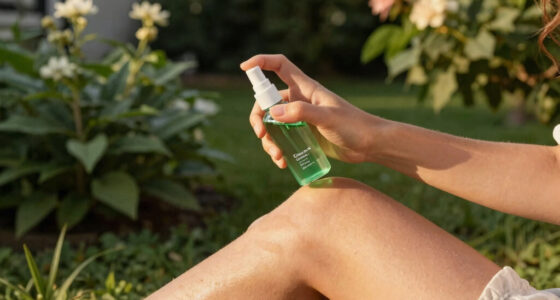
animal repellent spray for berries
As an affiliate, we earn on qualifying purchases.
As an affiliate, we earn on qualifying purchases.
Future Trends in Garden Animal Deterrence Solutions
Gardeners and researchers are likely to continue experimenting with integrated methods, combining physical barriers, repellents, and planting strategies. Advances in technology, such as smarter scare devices or eco-friendly repellents, may improve effectiveness. Extension services and gardening communities are expected to share best practices, helping gardeners adapt strategies to their specific conditions. Monitoring ongoing trends and new product developments will be key to staying ahead of animal intrusions in home gardens.
As an affiliate, we earn on qualifying purchases.
Key Questions
What is the most effective way to keep birds away from berries?
Most experts recommend using bird netting that fully covers the berry plants, combined with visual scare devices like reflective tape or scarecrow figures for best results.
Are natural repellents safe for pets and children?
Yes, natural repellents such as garlic sprays or planting deterrent plants like marigolds are generally safe and eco-friendly, but always follow product instructions and monitor usage around pets and kids.
Can I rely on scare devices alone to protect my berries?
Scare devices can be effective temporarily, but animals often become accustomed to them. Combining scare devices with physical barriers and repellents provides more reliable protection.
Are there any new or emerging technologies for animal deterrence?
Emerging solutions include smarter motion-activated devices and eco-friendly repellents, but their effectiveness and availability are still being evaluated.
How do I choose the best protection method for my garden?
Consider the type of animals frequenting your area, your garden size, and your preference for organic solutions. Combining multiple strategies often yields the best results.
Source: rss