TL;DR
Many gardeners notice their tomato plants produce flowers but no fruit. This article explains the causes, confirmed solutions, and what gardeners can do now to improve their harvest before the season ends.
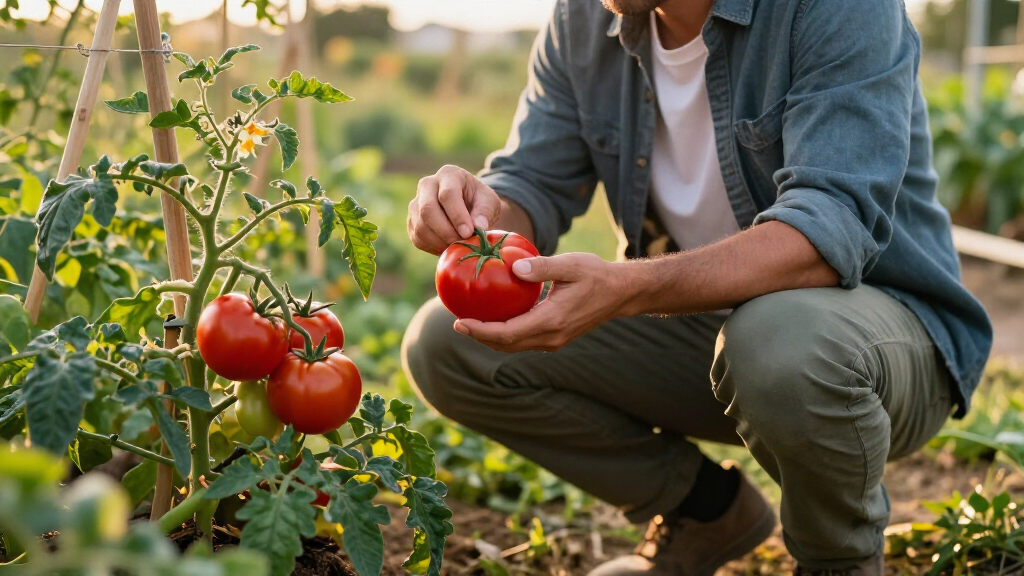
Many home gardeners are observing a common problem: their tomato plants are producing flowers but no fruit. Experts confirm that pruning that encourages healthy growth can help improve fruit set. Experts confirm that this situation often results from environmental stressors, pollination issues, or plant health conditions, and addressing these factors can improve fruit set before the season concludes.
According to horticultural specialists, it is typical for tomato plants to produce flowers that do not develop into fruit under certain conditions. Factors such as high temperatures, inconsistent watering, low pollinator activity, and nutrient deficiencies are frequently cited as causes. To learn more about managing plant health, see how to prune tomatoes effectively. Confirmed advice from experts suggests that maintaining consistent watering, providing adequate nutrients, and encouraging pollination can help boost fruit production.
Recent observations indicate that some gardeners have seen flowers on their tomato plants that do not set fruit, especially during hot or dry spells. For timely advice, check out plants to prune in July to promote better fruiting. Experts from local extension services advise that environmental stress is a primary factor, and that addressing these conditions can make a significant difference. For example, mulching to retain soil moisture and avoiding excessive fertilization with nitrogen can help plants focus on fruiting rather than excessive foliage growth.
Additionally, poor pollination is a common culprit. Since tomatoes are primarily pollinated by wind or insects, low pollinator activity during hot weather or in areas with limited insect presence can result in flowers dropping without setting fruit. Hand pollination, using a small brush or shaking the plants gently, is a confirmed method to improve pollination success.
Impacts of Flowering Without Fruit on Tomato Yields
This issue matters because it directly affects the gardener’s harvest. When flowers do not develop into fruit, it results in lower yields, which can be frustrating for home growers and small-scale farmers. Understanding the causes and solutions can help maximize the remaining growing season and prevent total crop loss. Moreover, addressing environmental and cultural factors can improve plant health and fruit quality in future seasons, making this a valuable learning point for gardeners.
As an affiliate, we earn on qualifying purchases.
Common Causes of Flowering but No Fruit in Tomatoes
Tomatoes typically flower and fruit during warm weather, but several environmental and cultural factors can disrupt this process. High temperatures above 85°F during the day or 70°F at night are known to inhibit pollination and fruit set, according to agricultural extension sources. Additionally, inconsistent watering or drought stress can cause flowers to drop prematurely. Nutrient imbalances, especially excess nitrogen, encourage leafy growth at the expense of fruiting, as confirmed by horticultural studies.
Furthermore, pollination difficulties are common during periods of low insect activity or in environments with high temperatures that reduce pollinator efficiency. Historically, gardeners have faced this issue during peak summer months, and solutions such as hand pollination and environmental modifications have proven effective.
While some reports suggest that certain tomato varieties are more susceptible to these issues, the problem is generally widespread across different types and growing conditions.
“Hand pollination can significantly improve fruit set when natural pollination is limited, especially during hot weather.”
— John Ramirez, local extension agent
garden watering system for tomatoes
As an affiliate, we earn on qualifying purchases.
As an affiliate, we earn on qualifying purchases.
Unresolved Factors and Conditions Affecting Fruit Development
While environmental stress and pollination are confirmed causes, it remains unclear how long these issues will persist in specific regions or how different varieties respond under varying conditions. The precise impact of subtle nutrient deficiencies or soil health on flower-to-fruit conversion is still being studied. Additionally, the effectiveness of certain interventions may vary depending on local climate and garden management practices, and more research is needed to determine optimal solutions for different environments.
As an affiliate, we earn on qualifying purchases.
Next Steps for Gardeners Facing Flowering but No Fruit
Gardeners are advised to focus on consistent watering, mulching, and avoiding excessive nitrogen fertilization. Implementing hand pollination techniques can also help improve fruit set in the remaining weeks of the season. Extension services recommend monitoring environmental conditions and adjusting practices accordingly. As the season progresses, gardeners should also consider planting resistant varieties or extending the season with protective covers if possible. Further research and local expert advice will continue to inform best practices for managing this issue.
As an affiliate, we earn on qualifying purchases.
Key Questions
Why are my tomato plants flowering but not producing fruit?
This is often caused by environmental stress such as high temperatures, inconsistent watering, or low pollinator activity. Nutrient imbalances and poor pollination can also contribute.
How can I improve fruit set on my tomato plants?
Maintain consistent watering, mulch to conserve moisture, avoid excess nitrogen, and consider hand pollination if natural pollination is limited.
Is this problem temporary or will it affect my entire harvest?
It depends on environmental conditions. Addressing the causes can improve fruit set in the remaining weeks of the season, but some plants may have limited time to recover.
Are certain tomato varieties more resistant to this issue?
Some varieties may be more resilient, especially those bred for hot climates, but environmental factors largely determine success.
Should I fertilize differently to promote fruiting?
Yes, avoid high nitrogen fertilizers and instead use balanced or phosphorus-rich fertilizers to encourage flowering and fruiting.
Source: rss