Small mistakes in water storage, like using non-food-grade containers or neglecting proper temperature control, can cause water to go bad quickly. Sunlight, heat, and improper containers promote bacteria, algae, and chemical leaching, even if the water looks clear. Failing to clean containers regularly or refilling with contaminated water accelerates risks. Pay attention to these details, as neglect can seriously impact water safety and taste—if you keep these in mind, you’ll discover more ways to keep your water safe.
Listen free for 30 days with Audible
Thousands of audiobooks and originals — cancel anytime.
As an affiliate, we earn on qualifying purchases.
Key Takeaways
- Using non-food-grade containers can leach harmful chemicals into water quickly, even if they appear safe.
- Storing water in hot or direct sunlight accelerates bacterial growth and spoilage unnoticed.
- Failing to clean containers thoroughly before refilling can cause rapid microbial contamination.
- Ignoring storage temperature guidelines, like heat or freezing, damages containers and accelerates deterioration.
- Not rotating or refreshing stored water every 6-12 months allows bacteria and algae to develop unexpectedly.
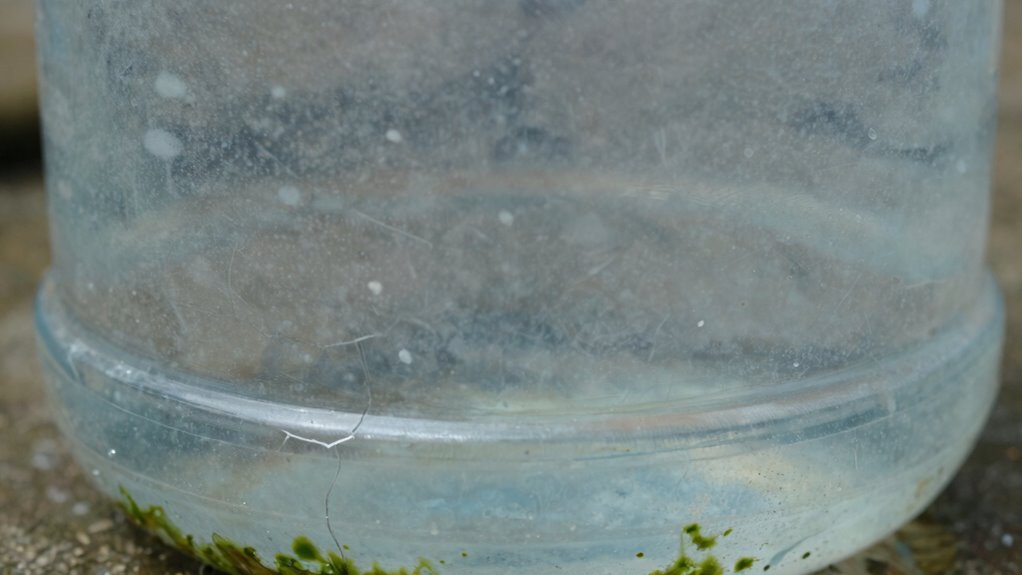
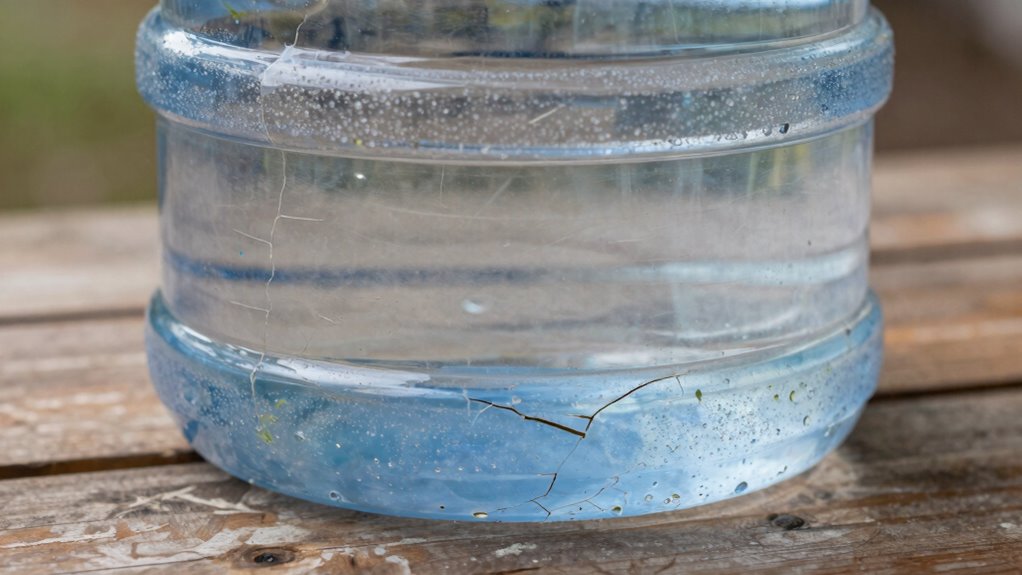
Storing water improperly can lead to serious health risks and waste, but many people overlook common mistakes that compromise water quality. One of the biggest mistakes is ignoring water container safety. Not all containers are designed to hold drinking water, and using the wrong type can introduce harmful chemicals or bacteria. For example, containers made of non-food-grade plastics may leach toxins into your water over time, especially when exposed to heat or sunlight. It’s essential to choose containers specifically labeled for water storage and ensure they’re thoroughly cleaned and sanitized before use. Regularly inspecting your containers for cracks or deterioration also helps prevent contamination. Additionally, container safety should be a top priority to avoid chemical leaching and contamination risks. Choosing the right containers and understanding their material safety is crucial for maintaining water quality over time. Using containers made from food-grade materials can significantly reduce the risk of chemical contamination.
Another critical point often overlooked is storage temperature control. Water stored at inappropriate temperatures can quickly become a breeding ground for bacteria, algae, or mold. If you leave your water in a hot environment—say, a garage or a sunny windowsill—it accelerates the growth of microorganisms, turning fresh water into a health hazard. Conversely, storing water in freezing temperatures isn’t ideal either, as it can cause containers to crack and compromise the integrity of your stored water. The best practice is to keep your water in a cool, dark place, ideally between 50-70°F (10-21°C). Proper temperature and storage conditions can also influence the shelf life of your stored water, making it safer to use over extended periods. Maintaining proper temperature control is essential for water storage longevity and safety. To further extend the safety and quality of your stored water, consider using proper storage techniques to prevent contamination.
Many people mistakenly think that water can be stored indefinitely without affecting its safety or taste. However, even if the water looks clear, bacteria and other contaminants can develop rapidly if storage conditions aren’t ideal. That’s why it’s important to limit how long you keep stored water—generally, it’s recommended to refresh your supply every 6 to 12 months, depending on storage conditions. When you refill your containers, always wash them thoroughly and use clean, potable water. This practice minimizes the risk of introducing new contaminants and keeps your stored water safe for emergencies.
In the end, small mistakes in water container safety and storage temperature control can have big consequences. Overlooking these details might seem minor, but they significantly impact the water’s safety and taste. By paying attention to the quality of your containers, ensuring proper storage temperatures, and rotating your supply regularly, you protect yourself and your loved ones from health risks. Storing water wisely isn’t just about having a backup—it’s about keeping that water safe and drinkable whenever you need it most.
food-grade water storage containers
As an affiliate, we earn on qualifying purchases.
As an affiliate, we earn on qualifying purchases.
Frequently Asked Questions
Can Bacteria Grow in Small Water Storage Containers?
Yes, bacteria can grow in small water storage containers if you’re not careful. The container’s material affects bacterial growth—plastic and unclean containers promote bacteria more than glass or stainless steel. Water temperature also matters; warm water encourages bacteria to multiply quickly, while cold water slows them down. To prevent bacteria growth, clean your containers regularly, use the right materials, and keep the water at safe temperatures.
How Often Should I Clean My Water Storage Tanks?
Cleaning your water storage tanks is like tending a garden—regular upkeep keeps it healthy. You should clean your tanks at least once every 6 to 12 months, depending on usage and water quality. Proper tank maintenance involves thorough cleaning and inspecting seals. Incorporate water filtration during refills to prevent contaminants. Staying consistent with this routine guarantees your water stays fresh and safe, reducing the risk of bacteria growth and other issues.
What Are Signs My Stored Water Is Contaminated?
If your stored water is contaminated, you’ll notice a foul smell, cloudiness, or a strange taste, indicating compromised water purity. Discoloration or the presence of algae and sediment also signal contamination. Check your container material—if it’s porous or cracked, bacteria can grow more easily. Regularly inspecting and cleaning your tank helps prevent these issues, ensuring your water remains safe and clean for use.
Does Sunlight Exposure Affect Water Storage?
Did you know that sunlight exposure can cause water to degrade faster, with UV rays breaking down contaminants and fostering algae growth? Sunlight degradation accelerates the spoilage process, especially in warmer temperatures, which boost bacterial growth. When you leave water in direct sunlight, it heats up and becomes a perfect environment for microorganisms. To keep it fresh longer, store your water in a cool, dark place, away from direct sunlight.
Is It Safe to Reuse Old Water Containers?
You shouldn’t reuse old water containers without considering the container material and storage temperature. Plastic containers can degrade and harbor bacteria over time, especially if exposed to heat or sunlight. Glass or stainless steel are safer options for reuse. Always clean containers thoroughly and avoid storing water in high temperatures, as heat accelerates bacterial growth and contaminant development. When in doubt, replace old containers to guarantee safe, clean water storage.
water storage container cleaning supplies
As an affiliate, we earn on qualifying purchases.
As an affiliate, we earn on qualifying purchases.
Conclusion
Avoid these common water storage mistakes, or you’ll find yourself in a pickle faster than a jiffy. Remember, even the smallest oversight can lead to big problems, like mold or bacteria growth, turning your storage into a modern-day Tower of Babel. Keep your water safe, fresh, and ready—because even in this age of smartphones, a simple mistake can still feel like stepping into the Dark Ages. Stay vigilant and store wisely!
temperature-controlled water storage solutions
As an affiliate, we earn on qualifying purchases.
As an affiliate, we earn on qualifying purchases.
water storage containers for long-term use
As an affiliate, we earn on qualifying purchases.
As an affiliate, we earn on qualifying purchases.
Evergreen bestsellers Picks
bestsellers
As an affiliate, we earn on qualifying purchases.