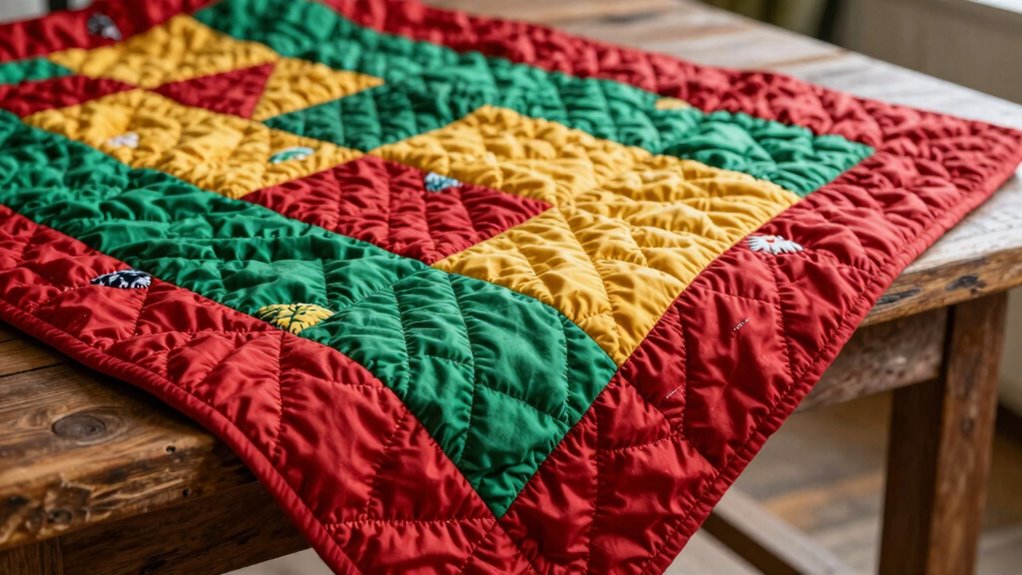

If a patch looks too good to be true, trust your instincts and proceed with caution. Inspect the embroidery closely for high-quality stitching, clear details, and consistent colors. Check for official insignias, serial numbers, or holograms that verify authenticity. Buy from reputable sellers and avoid deals that seem suspiciously inexpensive or rushed. Request proof of authenticity if possible. By staying vigilant and paying attention to details, you’ll be better equipped to spot potential fakes and guarantee your investment is genuine.
Key Takeaways
- Carefully examine stitching, colors, and materials for signs of poor craftsmanship or counterfeit indicators.
- Request detailed photos, certificates, or official markings to verify authenticity before purchasing.
- Research the seller’s reputation, reviews, and return policies to ensure credibility.
- Trust your instincts and avoid buying if the patch seems suspicious or too perfect.
- Compare the patch’s details with known authentic examples to spot subtle discrepancies.
When a patch seems too good to be true, it’s a warning sign that you should proceed with caution. In today’s market, where counterfeit signs are becoming increasingly sophisticated, it’s crucial to scrutinize the patch carefully. The first thing to weigh is patch authenticity. Authentic patches typically have high-quality embroidery, clear detailing, and consistent coloring. If the stitching appears sloppy or uneven, or if the colors look off or faded, these could be red flags indicating a counterfeit. Pay close attention to the materials used; genuine patches often use durable fabric and sturdy backing, while fakes might feel flimsy or cheap to the touch.
Authentic patches feature high-quality embroidery, clear details, and consistent colors; beware of sloppy stitching and faded hues.
You should also look for specific markers of authenticity, such as official insignias, trademarks, or serial numbers. Many legitimate patches come with a certification or hologram that verifies their origin. If you can’t find these details, or if they seem poorly printed or missing altogether, it’s a strong indication that the patch might not be genuine. Keep in mind that counterfeit signs often try to mimic the appearance of authentic patches, but subtle details like font inconsistencies, incorrect logos, or misspelled words can reveal their true nature.
Beyond visual cues, think about the source from which you’re buying the patch. Reputable dealers or official stores are more likely to sell authentic patches. If you’re purchasing from an online marketplace or an unofficial seller, be extra cautious. Look for reviews, seller ratings, and return policies. If a deal seems too good to be true—such as heavily discounted prices or limited stock—there’s a good chance the patch might be a counterfeit. Trust your instincts; excessive urgency or pressure to buy quickly can be a tactic used by counterfeit sellers to bypass your scrutiny.
When evaluating a patch, don’t rely solely on appearance. Ask for detailed photos or certificates of authenticity if possible. If the seller hesitates or avoids providing proof, that’s a warning sign. Remember that counterfeit patches often lack the craftsmanship and detail of authentic ones, so take your time inspecting every aspect. Additionally, understanding the markings and certifications associated with authentic patches can help you distinguish genuine items from fakes more confidently. Familiarizing yourself with these indicators of authenticity can save you from unnecessary disappointment. It’s also helpful to familiarize yourself with common counterfeit signs to better recognize potential fakes before making a purchase. Ultimately, if something feels off or you’re unsure, it’s better to avoid the purchase altogether. Protect your investment by verifying patch authenticity thoroughly, and don’t let the allure of a seemingly perfect patch cloud your judgment. Recognizing counterfeit signs early saves you money and ensures you’re getting the genuine item you desire.

U-Sky Sew or Iron on Embroidered Patches | Original Bold Text Design | Vintage Denim Spirit | Fashion Enthusiasts DIY Lovers | Motorcycle Biker Jackets Jeans Backpacks Caps Bags | 3.1"x1" 3PCs Pack
- ⚫️⚪️ BOLD "ORIGINAL" DESIGN: Features large white "ORIGINAL"…
- ✨ PREMIUM EMBROIDERY QUALITY: Heavy-duty white threads on…
- 🎯 PERFECT FOR STYLE STATEMENT: Ideal for fashion enthusiasts…
As an affiliate, we earn on qualifying purchases.
As an affiliate, we earn on qualifying purchases.
Frequently Asked Questions
How Can I Verify the Authenticity of a Patch?
You can verify a patch’s authenticity by examining its historical patterns and manufacturer certifications. Look for consistent design features and check if the patch aligns with official styles from the manufacturer. Also, verify the certification marks or labels that prove it’s genuine. Research the manufacturer’s reputation and official website to confirm the patch’s origin. If it passes these checks, it’s more likely to be authentic and reliable.
What Are Common Signs of a Counterfeit Patch?
When spotting a counterfeit patch, keep your eyes peeled for design inconsistencies and material discrepancies. If the colors are off, the stitching looks sloppy, or the fabric feels cheap, it’s a red flag. A fake patch might also lack proper branding or have blurry details. Remember, just because it looks good at first glance doesn’t mean it’s genuine—trust your instincts and scrutinize every detail.
Are There Trusted Sources for Genuine Patches?
Yes, you can find trusted sources for genuine patches by researching reputable dealers known for authentic items. Focus on those with a strong history of offering patches with historical significance and positive feedback from collectors. Keep an eye on collector’s market trends, as genuine patches often appreciate in value and reflect accurate historical context. Always verify authenticity through certificates or provenance, ensuring your collection maintains its integrity and value.
What Should I Do if I Suspect a Fake Patch?
If you suspect a fake patch, stop collecting patches immediately and avoid installing it. Verify its authenticity through trusted sources or official channels before proceeding with patch maintenance. Cross-check details like the publisher, checksum, and digital signatures. If doubts persist, consult experienced collectors or online communities for advice. Prioritizing genuineness helps protect your collection and ensures your patches are genuine, maintaining their value and significance.
How Do I Report Counterfeit Patches?
You should report counterfeit patches to preserve their historical significance and guarantee proper manufacturing processes are followed. Contact local authorities or organizations responsible for badge authenticity, such as the issuing agency or law enforcement. Provide clear details and evidence of the fake patch, like photographs or purchase information. Reporting counterfeit patches helps protect genuine collectors and maintains the integrity of the badge’s history and manufacturing standards.

MEDALS OF AMERICA EST. 1976 1st Cavalry Division Patch Color AGSU
- Officially Hallmarked: Approved by U.S. Institute of Heraldry
- Left Sleeve Placement: Sewn on the AGSU coat's left sleeve
- Right Sleeve Placement: Sewn on the AGSU coat's right sleeve
As an affiliate, we earn on qualifying purchases.
As an affiliate, we earn on qualifying purchases.
Conclusion
Just like a treasure chest that gleams too brightly, a patch that seems too perfect might hide hidden dangers. Think of it as a shiny lure in the deep ocean—tempting, but possibly perilous. Trust your instincts and do your homework, like a savvy sailor checking the map before diving in. When something looks too good to be true, it’s your signal to pause, investigate, and steer clear of potential storms. Stay wise, stay safe.

PatchClub American Flag Patch Premium Embroidered, 3.5in – Gold Border – US Flag Patch, United States of America Military Uniform Iron On/Sew On
- High-Quality Embroidery: Detailed and durable embroidery
- Perfect Size: 2.5" W x 3.5" L
- Easy to Attach: Iron on or sew on
As an affiliate, we earn on qualifying purchases.
As an affiliate, we earn on qualifying purchases.
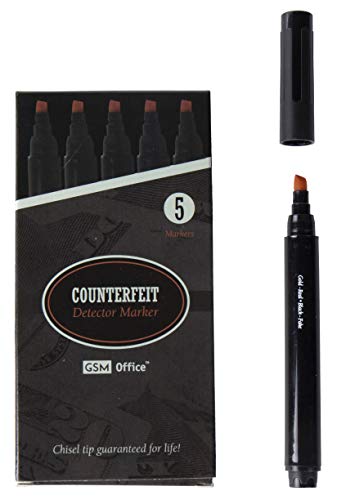
Counterfeit Money Bill Detector Pens, Markers – Detects Fake Currency – 5 Pack
- Instant Verification: Detects fake bills within seconds
- Clear Results: Black line for fake, gold for real
- Cost-Effective Pack: Includes 5 markers for long-term use
As an affiliate, we earn on qualifying purchases.
As an affiliate, we earn on qualifying purchases.