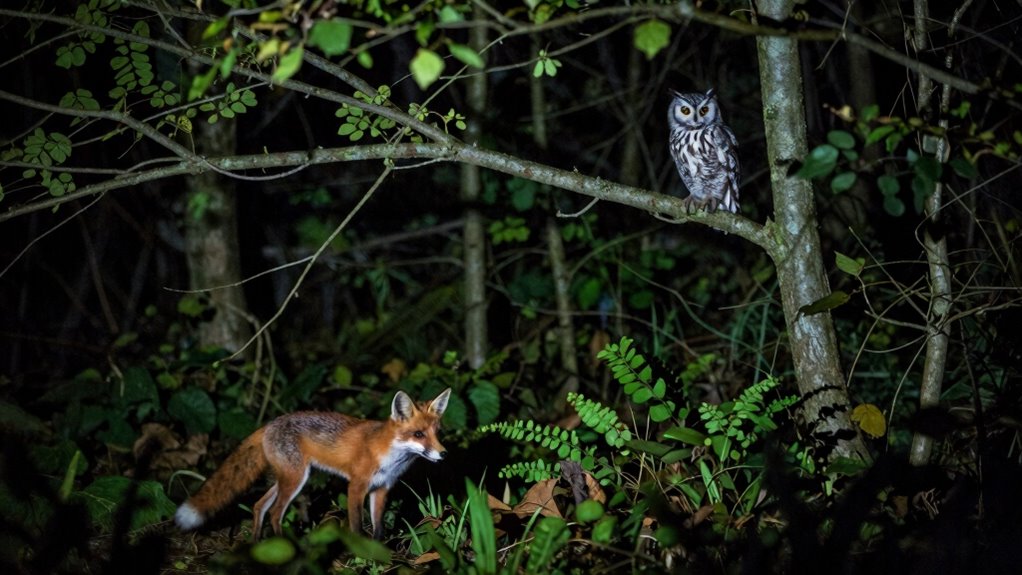
When using night vision for wildlife observation, you need to take into account the impact on animals’ behavior and stress levels. Artificial lights and infrared devices can disturb natural routines, making animals cautious or hiding. To stay ethical, limit device use, opt for low-intensity or motion-activated lighting, and choose non-invasive methods like remote cameras. If you keep these guidelines in mind, you’ll see how technology can help you observe wildlife responsibly—there’s more to learn about staying within ethical boundaries.

Get garden gear delivered free — and shop member deals
- Fast, free delivery on millions of items
- Access to Prime Big Deal Days deals on October 6–7
- Prime Video, Amazon Music and more included
Key Takeaways
- Use low-intensity or motion-activated lighting to minimize disturbance during nocturnal wildlife observation.
- Employ infrared and remote cameras to reduce visible light emission and human presence impact.
- Limit observation duration and frequency to prevent animals from recognizing and reacting to equipment.
- Prioritize passive, non-invasive methods that allow animals to exhibit natural behaviors without stress.
- Balance technological benefits with ethical considerations to avoid disrupting animal routines and habitats.
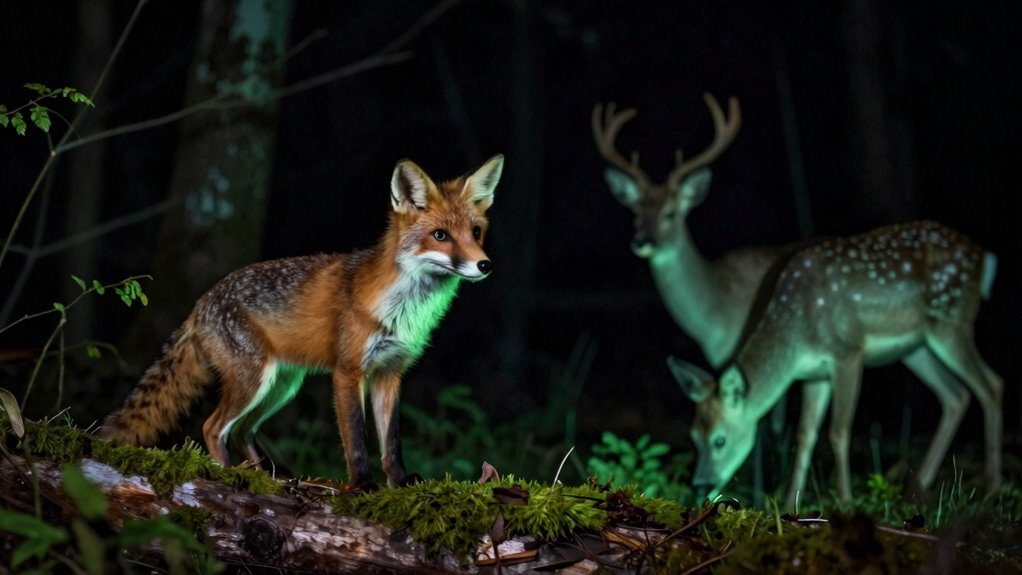
Have you ever wondered how researchers observe nocturnal animals without disturbing their natural behaviors? It’s a delicate balance. To study these creatures effectively, scientists often rely on night vision technology, but this approach isn’t without its challenges. One of the biggest concerns is artificial illumination. While it might seem harmless, shining bright lights or using infrared lamps can alter animal behavior, making animals feel threatened or prompting them to hide. Artificial illumination can disrupt feeding, mating, and social interactions, which defeats the purpose of observing them in their natural state. Researchers have to find ways to minimize this impact, often opting for low-intensity or motion-activated lighting that reduces disturbance. Still, the risk of camera disturbance remains a significant issue. When cameras are set up in a wildlife habitat, their presence—especially if they emit any light or noise—can influence animal behavior. Animals might become cautious, avoid the area, or even abandon their usual routines altogether. This not only skews data but also infringes on the ethical principle of causing the least amount of stress possible. Understanding animal perception is essential in designing less intrusive observation methods that align with ethical standards. Additionally, technology limitations mean that even the most advanced devices have constraints that can affect the authenticity of observations. Some researchers also explore behavioral responses to different observation techniques to better understand how to minimize their impact. Moreover, advancements in non-invasive monitoring technologies continue to improve our ability to observe wildlife responsibly. Using night vision devices, like infrared cameras, helps mitigate some of these concerns. These devices allow you to observe animals discreetly without emitting visible light, which is less likely to disturb their natural activities. However, even infrared cameras aren’t completely neutral. Some animals can detect faint infrared signals or be startled by the mechanical sounds of camera movement or operation. You need to be mindful of how often and how long these devices are in use, ensuring they don’t become a constant presence that animals recognize as intrusive. Ethical wildlife observation emphasizes minimizing these disturbances, so researchers often set up remote camera traps and avoid frequent human intervention. The goal is to create a passive observation point that animals forget about, behaving as naturally as possible.
Additionally, understanding the impact of artificial light on wildlife behavior is crucial for responsible observation. Ultimately, it’s about respecting the animals’ space and understanding that technology, while powerful, must be used responsibly. Artificial illumination and camera disturbance are significant hurdles, but by choosing appropriate equipment and limiting human interference, you can observe nocturnal animals ethically. The line lies in ensuring your methods don’t alter their behaviors or cause undue stress. When you prioritize their well-being and natural habits, your observations become more accurate and meaningful, contributing valuable insights into the fascinating world of nocturnal wildlife.
As an affiliate, we earn on qualifying purchases.
Frequently Asked Questions
How Does Night Vision Technology Affect Animal Behavior?
Night vision technology can disrupt animal behavior by introducing artificial illumination and noise disturbance. When you use night vision devices, you may unintentionally alert animals to your presence, causing them to flee or alter their natural activities. The artificial light can interfere with their navigation and foraging, while noise disturbance from equipment or movement may stress or scare animals. To minimize impact, use discreet methods and limit disturbance during observations.
Are There Legal Restrictions on Using Night Vision Devices Outdoors?
Yes, there are legal considerations when using night vision devices outdoors. You need to be aware of privacy concerns and adhere to local laws that restrict surveillance or recording without permission. Regulations vary by region, so it’s crucial to research specific restrictions in your area. Failing to follow these laws can lead to legal issues, especially if your use of night vision technology intrudes on private property or violates privacy rights.
Can Night Vision Equipment Be Harmful to Wildlife?
Night vision equipment itself isn’t inherently harmful, but your actions can be. Using it near wildlife, especially if you’re loud or use a camera flash, can disturb animals and cause stress or noise disturbance. Keep your movements quiet, minimize light emissions, and avoid flashes to prevent scaring or harming wildlife. Responsible use guarantees you observe without negatively impacting animals or their habitats.
What Are Alternative Ethical Methods for Nocturnal Wildlife Observation?
You can opt for silent, low-impact methods like using natural cues or observing during dawn and dusk, when animals are most active. To avoid artificial illumination and sensor interference, avoid bright lights or electronic devices that could disturb wildlife. Instead, employ passive techniques like scent trails or noise recording, ensuring minimal disruption. These methods respect animal behavior while providing insightful nocturnal observations without compromising their natural environment.
How Does Night Vision Impact the Natural Habitat of Animals?
Night vision can impact animals’ natural habitat by causing habitat disturbance and increasing light pollution. When you use night vision devices, you might unintentionally scare wildlife or alter their behavior, disrupting their natural routines. The artificial light from devices can also contribute to light pollution, which affects nocturnal animals’ navigation and hunting. To minimize these effects, you should use night vision responsibly, keeping noise and light levels low and respecting wildlife habitats.
motion-activated night vision camera
As an affiliate, we earn on qualifying purchases.
As an affiliate, we earn on qualifying purchases.
Conclusion
As you navigate the world of night vision and wildlife observation, remember that even in a time of high-tech gadgets, respecting animals’ space is key. Think of it as wielding a Jedi’s lightsaber—your power comes with responsibility. Stay mindful, avoid startling creatures, and prioritize their well-being over a shiny new gadget. After all, true explorers know that ethics are the real GPS guiding us through the wild, no matter how futuristic the tools.
low-intensity night vision device
As an affiliate, we earn on qualifying purchases.
As an affiliate, we earn on qualifying purchases.
As an affiliate, we earn on qualifying purchases.
Fall Picks
fall essentials
As an affiliate, we earn on qualifying purchases.