When foraging with kids, always stick to simple safety rules: never eat or touch wild plants or mushrooms unless you’re sure they’re safe, and always ask an adult if you’re unsure. Teach kids to recognize safe plants and avoid toxic look-alikes by using visual cues like leaf shape or berry color. Keep sessions short, fun, and supervised, emphasizing the importance of patience and cautious curiosity. Stick with these tips, and you’ll discover more ways to enjoy safe outdoor adventures.

Get garden gear delivered free — and shop member deals
- Fast, free delivery on millions of items
- Access to Prime Big Deal Days deals on October 6–7
- Prime Video, Amazon Music and more included
Key Takeaways
- Always supervise children closely and keep foraging activities short and focused on safety.
- Teach kids to only pick plants and mushrooms with adult supervision and after proper identification.
- Use visual cues and simple identification rules to help children recognize safe vs. dangerous species.
- Instill the “if in doubt, leave it out” rule to prevent accidental ingestion of unknown plants or fungi.
- Make safety fun with interactive games, rewards, and regular review of key identification and cautionary points.
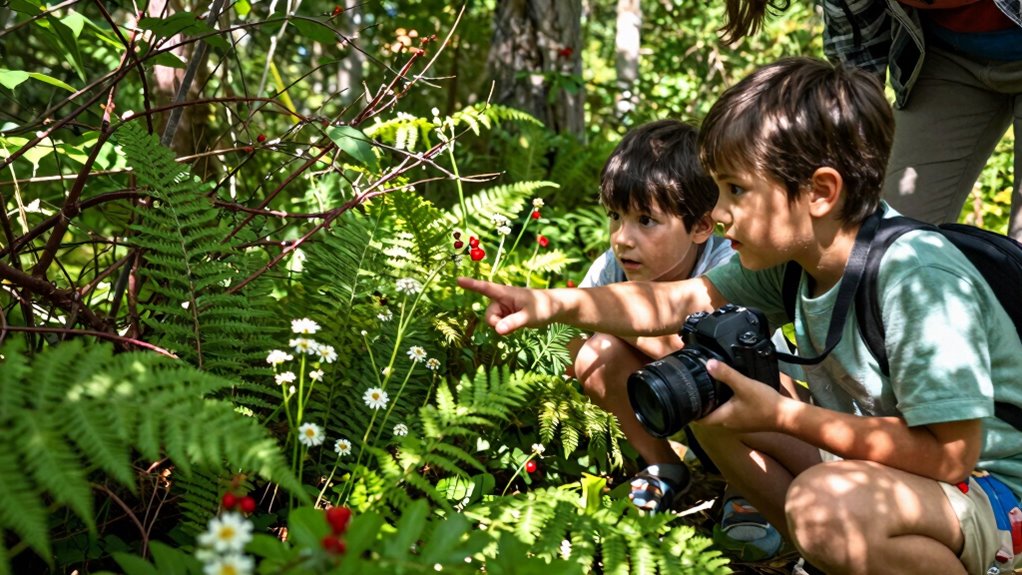
Ever wondered how to enjoy foraging with your kids safely? The key lies in teaching them the basics of wild plant identification and making them aware of poisonous mushrooms. Kids are naturally curious, and that curiosity can lead to exciting discoveries, but it also increases the risk of mistakes if you’re not careful. Starting with wild plant identification, you want to focus on showing your children how to recognize safe, edible plants versus those that can cause harm. Use clear, simple descriptions and visual cues, such as leaf shape, color, and growth patterns. For example, teach them to distinguish between safe berries and toxic ones, or edible greens and their poisonous look-alikes. Hands-on learning works best; pick plants together and point out key features that differentiate them from dangerous plants. Incorporating visual aids like photos or drawings can further reinforce their learning and memory.
Poisonous mushroom awareness is equally important. Mushrooms can be particularly tricky because many edible varieties have poisonous look-alikes. Before heading out, study the mushrooms in your area and bring a reliable guidebook or use an app to help identify species accurately. Show your kids how to examine mushrooms carefully—look at the cap, gills, stem, and any distinctive markings. Stress the importance of never eating a mushroom unless you’re 100% sure it’s safe, and emphasize that if they’re unsure, they should ask you or another knowledgeable adult before touching or tasting any fungi. Creating a rule that “if in doubt, leave it out” helps instill cautious habits early on. Additionally, teach them that some mushrooms are toxic even if they look similar to edible ones, so it’s best to avoid all wild mushrooms unless you’re experienced.
Integrate these lessons into your foraging trips by making them interactive and fun. Turn wild plant identification into a game, asking your kids to find certain leaves or berries, and reward their knowledge with praise. For poisonous mushrooms, develop a safety chant or mnemonic to remember the key points. Reinforce that their safety always comes first—no matter how tempting it might be to taste something new. Keep your foraging sessions short, focused, and supervised, especially when introducing kids to wild plants and fungi. Remember, the goal isn’t just to collect edible goodies but to foster respectful, cautious curiosity about nature. With patience and clear guidance, you’ll help your kids develop essential skills that keep them safe while exploring the outdoors.
wild plant identification guidebook for kids
As an affiliate, we earn on qualifying purchases.
As an affiliate, we earn on qualifying purchases.
Frequently Asked Questions
What Should I Do if My Child Eats a Poisonous Plant Accidentally?
If your child eats a poisonous plant unexpectedly, act quickly. Call poison control immediately for guidance, as they provide specific instructions based on the plant and child’s age. Stay calm, and monitor your child for symptoms like vomiting or difficulty breathing. If symptoms are severe, or if advised by poison control, seek emergency response by taking your child to the nearest emergency room. Prompt action can prevent serious complications.
How Can I Teach Kids to Identify Edible Versus Harmful Plants?
You can teach kids plant identification by showing them how to look for key features like leaf shape, color, and texture. Use edible plant tips to highlight safe choices and teach them to avoid plants with unpredictable or harmful traits. Keep lessons fun with hands-on activities and guide them to ask questions. Reinforce safety by reminding them never to eat a plant unless they’re 100% sure it’s edible.
Are There Specific Age Guidelines for Kids to Forage Safely?
Think of age-appropriate foraging as planting seeds carefully. Typically, children aged 5 to 12 can start exploring, but only with close supervision and clear boundaries. Keep a watchful eye, guiding them through identification and safe harvesting. Use supervision strategies like setting safe zones and establishing rules. As they grow, they’ll develop better judgment, but always remember, your presence is the strongest shield against any “oops” moments.
What Safety Gear Is Recommended for Children During Foraging?
You should equip your kids with protective gloves to prevent scrapes and exposure to irritants, and guarantee they wear sturdy footwear to protect their feet from uneven terrain. These safety gear items keep them secure and comfortable while foraging. Always supervise closely, and teach them to handle plants carefully. With the right gear, your children can explore safely and enjoy the outdoors without unnecessary risks.
How Do I Handle Encounters With Wildlife While Foraging With Kids?
Wildlife encounters happen in about 1 in 10 outdoor adventures, so stay calm and keep your kids close. If you see wildlife, back away slowly and avoid sudden movements. Use safety precautions like keeping noise levels low and not feeding animals. Teach your kids to respect wildlife, never touch or approach animals, and always remain vigilant. Staying alert guarantees everyone stays safe and the animals stay undisturbed.
kids mushroom foraging safety kit
As an affiliate, we earn on qualifying purchases.
As an affiliate, we earn on qualifying purchases.
Conclusion
So, next time you’re out foraging with your kids, remember that simple rules can turn a potential “oops” into a fun adventure. Ironically, the safest moments often come from the most straightforward precautions—like keeping a close eye, knowing your plants, and staying alert. It’s funny how a little caution can prevent big mishaps, making your outdoor escapades memorable for all the right reasons. After all, the best treasures are the safe, happy memories you create together.
children's outdoor foraging educational game
As an affiliate, we earn on qualifying purchases.
As an affiliate, we earn on qualifying purchases.
toxic mushroom identification app for iPhone
As an affiliate, we earn on qualifying purchases.
As an affiliate, we earn on qualifying purchases.
Fall yard work Picks
leaf blowers
As an affiliate, we earn on qualifying purchases.