
In hot weather, recognize early signs of heat illness by paying attention to heavy sweating, weakness, dizziness, and nausea. Watch for skin that’s hot and dry or sweating that stops suddenly, which can signal more serious conditions. Mental signs like confusion or irritability also indicate worsening illness. Act quickly by resting, hydrating, and moving to a cooler place. Learning more about these signs helps you stay safe and respond effectively—keep exploring for essential tips.

Get garden gear delivered free with Prime
- Fast, free delivery on millions of items
- Prime Video, Amazon Music and more included
- Member-only deals all year
Key Takeaways
- Recognize early signs like heavy sweating, weakness, dizziness, and nausea to identify heat illness promptly.
- Monitor skin condition; hot and dry or suddenly dry skin indicates worsening heat-related conditions.
- Observe mental changes such as confusion, irritability, or difficulty concentrating as warning signs.
- Initiate immediate cooling and hydration when symptoms appear to prevent progression to severe illness.
- Seek emergency medical help if symptoms escalate or if the individual becomes unresponsive.

Have you ever wondered how to tell if someone is suffering from heat illness? Recognizing the signs quickly can make a pivotal difference in preventing serious health complications. One of the first things to weigh is how well they’re managing hydration. Effective hydration strategies are essential in hot weather because they help maintain the body’s temperature and replace fluids lost through sweating. If someone appears overly thirsty, has a dry mouth, or isn’t urinating as often as usual, they might be dehydrated, putting them at greater risk for heat-related illnesses. Encourage them to sip water regularly, but avoid forcing large amounts at once, which can cause nausea. Electrolyte drinks can also be helpful, especially if they’ve been sweating heavily for an extended period.
Your clothing choices play a significant role in heat illness prevention and recognition. When you’re outdoors or in a hot environment, wearing lightweight, loose-fitting, and light-colored clothing helps reflect sunlight and allows your body to cool more efficiently. If you notice someone dressed in dark, tight, or heavy clothing, they may be more prone to overheating. In cases where someone shows signs of heat distress, removing excess clothing or shifting to lighter attire can help lower their body temperature. It’s also beneficial to seek shade or create a cooler environment to prevent heat buildup.
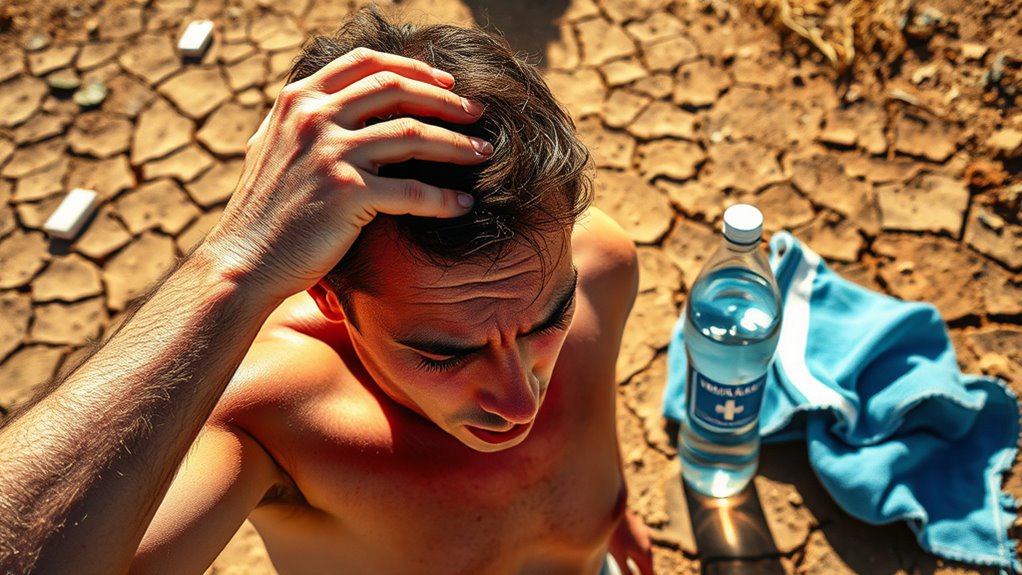
Pay attention to physical symptoms that indicate heat illness, such as heavy sweating, weakness, dizziness, or nausea. These signs often accompany dehydration, which is why hydration strategies are so essential. As the heat intensifies, you may see skin that’s hot and dry, or sweating that suddenly stops, signaling a progression toward more severe conditions like heat exhaustion or heat stroke. Recognizing these signs early allows you to act swiftly—encouraging the person to rest, hydrate, and move to a cooler place. Additionally, understanding air circulation and how it impacts heat dissipation can help in managing and preventing heat illness effectively.
In addition to hydration and clothing, keep an eye on their mental state. Confusion, irritability, or difficulty concentrating can be signs of worsening heat illness. If symptoms escalate or the person becomes unresponsive, it’s critical to seek emergency medical help immediately. While hydration strategies and clothing choices may seem simple, they are key tools in both prevention and early detection of heat illness. Being attentive to these factors and acting promptly can prevent minor discomfort from turning into life-threatening conditions.
Frequently Asked Questions
How Can I Prevent Heat Illness During Outdoor Activities?
To prevent heat illness during outdoor activities, focus on staying hydrated with regular hydration strategies like drinking water frequently. Wear lightweight, loose-fitting, and light-colored clothing to stay cool and protect your skin. Take breaks in shaded areas, avoid strenuous activities during the hottest parts of the day, and listen to your body. These steps help maintain your body’s temperature and reduce the risk of heat-related illnesses.
What Should I Do if Someone Shows Signs of Heat Exhaustion?
When someone shows signs of heat exhaustion, think of their body as a fragile flame needing immediate care. You should move them to a cooler place, encourage hydration management with water or electrolyte drinks, and loosen tight clothing to help regulate temperature. Apply cool, damp cloths to their skin, and fan them gently. Keep a close eye on their condition, and seek medical help if symptoms worsen or persist.
Are Children More Vulnerable to Heat-Related Illnesses?
Yes, children are more vulnerable to heat-related illnesses because their bodies heat up faster and they may not recognize symptoms. You should make sure kids stay hydrated by offering plenty of fluids and choose lightweight, breathable clothing to help regulate their body temperature. Keep them in shaded areas, avoid peak heat hours, and watch for signs of overheating, so you can act quickly if needed.
How Does Humidity Affect Heat Illness Risk?
A rising tide lifts all boats, and high humidity definitely increases your heat illness risk. Humidity effects make it harder for your body to cool down through sweating, which raises the heat index and intensifies the feeling of heat. When humidity is high, you might not realize how hot you’re getting, so stay alert, stay hydrated, and take breaks in the shade to prevent heat-related illnesses.
When Should I Seek Medical Help for Heat-Related Symptoms?
You should seek medical help immediately if you experience signs of heat stroke, such as confusion, blurred vision, or a high body temperature, as it’s a medical emergency. Don’t wait if symptoms worsen or don’t improve with cooling efforts. Prompt treatment can prevent serious health consequences. Call emergency services right away and get to a healthcare facility to guarantee proper care and recovery.
Conclusion
You now hold the secret weapon to survive even the hottest days—recognizing heat illness before it takes over! If you ignore the signs, you risk turning into a fiery furnace or worse. With this knowledge, you could be the hero who keeps everyone cool, safe, and bouncing back from the scorching sun. Don’t let heat catch you off guard—arm yourself today and conquer the heat like a true champion!
Fall Picks
fall essentials
As an affiliate, we earn on qualifying purchases.