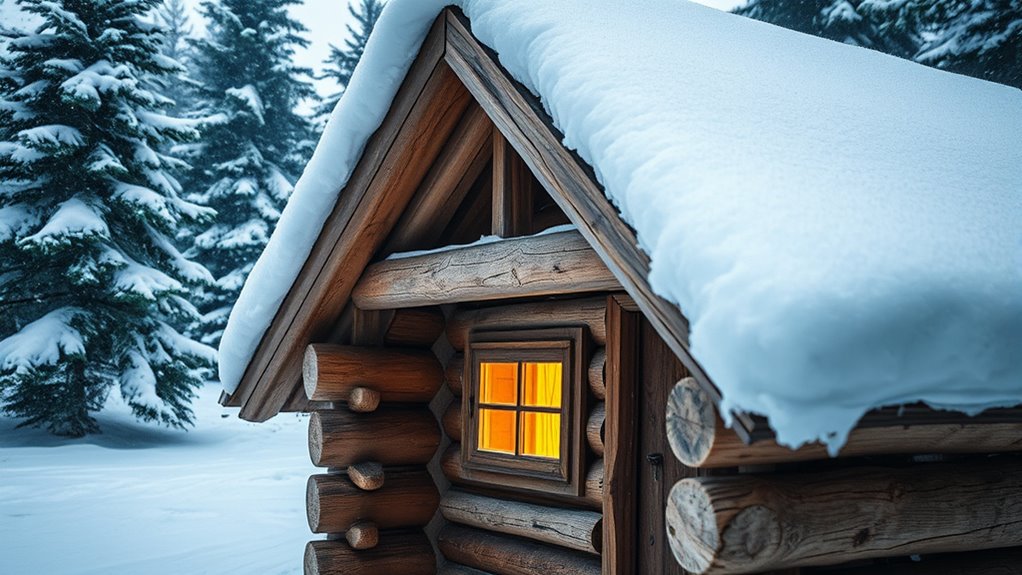

To keep your shelter comfortable, focus on controlling heat loss and wind infiltration. Use proper insulation materials like foam or fiberglass to trap air and resist heat flow, especially in cold weather. Seal gaps around doors and windows to prevent drafts, and consider windbreaks to reduce exposure. Thoughtful design, like compact shapes and overhangs, also helps maintain stable temperatures. Exploring these basics further will give you the tools to create an energy-efficient, cozy shelter.
Key Takeaways
- Insulation materials like foam and fiberglass create resistance to heat transfer, reducing heat loss in shelters.
- Proper sealing of doors, windows, and vents minimizes drafts and wind-driven heat loss.
- Windbreaks and natural barriers help reduce wind impact on shelter temperature stability.
- Compact shelter designs with fewer exposed surfaces help conserve heat and improve energy efficiency.
- Combining insulation, sealing, and strategic design enhances overall thermal regulation and shelter comfort.

Have you ever wondered what makes a shelter truly effective? It’s not just about having a roof overhead; it’s about how well it manages heat, wind, and moisture. When you think about shelter, one of the most critical factors is its ability to regulate temperature through proper insulation and design. Thermal regulation ensures that you stay warm in cold weather and cool during heat waves. The key to this is choosing the right insulation materials, which act as barriers against heat transfer. These materials reduce heat loss in winter and prevent heat gain in summer, maintaining a stable interior environment regardless of outside conditions.
In colder climates, insulation materials like foam boards, fiberglass batts, or spray foam are essential. They trap air within their structure, creating a layer of resistance against heat flow. This means less energy is needed to heat the shelter, saving you money and effort. Conversely, in warmer environments, reflective or radiant barriers can be added to deflect heat away from the interior, further aiding thermal regulation. The effectiveness of these insulation materials depends on their R-value, a measure of thermal resistance. Higher R-values mean better insulation, so choosing the right materials based on your climate is crucial.
But insulation alone isn’t enough. How your shelter handles wind also greatly impacts its ability to keep heat inside. Wind can cause significant heat loss by creating drafts and removing warm air from inside. To combat this, you need to make certain your shelter’s design minimizes wind infiltration. Proper sealing around doors, windows, and vents is essential. Using windbreaks like fences or natural barriers can also reduce the wind’s impact. When wind hits a well-insulated shelter, it’s less likely to penetrate and draw heat away, making your indoor environment more comfortable.
It’s equally important to contemplate the shelter’s overall design. A compact shape with fewer exposed surfaces reduces heat loss. Overhangs and insulated doors can protect openings from drafts. Ventilation should be carefully balanced—enough to prevent moisture buildup but not so much that it allows excessive heat escape. Properly applied insulation materials combined with thoughtful design can turn a basic shelter into a highly effective refuge that withstands the elements. When you focus on these fundamentals, you’ll find your shelter not only provides comfort but also conserves energy and resources, making it a reliable refuge in any weather. Additionally, understanding passive heating and cooling techniques can further optimize your shelter’s climate control capabilities.

Brightech Ambience Pro Solar Powered Outdoor String Lights -27 ft Commercial Grade Waterproof Edison Patio Lights, Shatterproof LED String Lights for Outside, Porch - 12 Bulbs, 1W Soft White
Ideal Solar Outdoor Lights: 27 ft long durable Chistmas string lights with 12 LED lights and detachable solar...
As an affiliate, we earn on qualifying purchases.
Frequently Asked Questions
How Does Humidity Affect Heat Retention in Shelters?
Humidity effects can considerably impact heat retention in shelters. When humidity is high, moisture builds up, making the air feel colder and reducing your shelter’s insulation efficiency. To maintain warmth, you need moisture control strategies like proper ventilation and dehumidification. By managing humidity levels, you prevent moisture buildup, which helps your shelter retain heat better and keeps the environment more comfortable.
What Are the Best Materials for Insulating in Cold Climates?
For cold climates, you should select sturdy, super-insulating materials like rigid foam boards or spray foam that maximize thermal mass and minimize heat loss. You’ll want to focus on air sealing to prevent drafts and retain warmth. These materials work together to trap heat inside, keeping your shelter cozy. Remember, effective insulation isn’t just about material choice but also ensuring airtightness for ideal warmth retention.
How Do Different Wind Directions Impact Shelter Design?
You should orient your shelter to minimize wind exposure from prevailing directions, reducing heat loss. Adjust ventilation strategies to control airflow and prevent drafts, especially when winds shift. By aligning your shelter’s entrance away from strong wind directions, you improve insulation and comfort. Proper shelter orientation combined with strategic ventilation helps maintain warmth, even during unpredictable wind patterns, ensuring a more energy-efficient and cozy refuge.
Can Reflective Barriers Improve Insulation Efficiency?
A reflective barrier is like a superhero for your insulation efficiency. It bounces radiant heat back into your shelter, preventing it from escaping and dramatically boosting insulation performance. By installing reflective barriers, you create a formidable shield against heat loss, making your shelter warmer and more energy-efficient. These barriers are especially effective in cold climates, helping you save energy and stay comfortable no matter how harsh the weather gets.
What Maintenance Is Needed to Keep Insulation Effective?
You should regularly perform insulation inspections to guarantee it remains effective. Check for signs of damage, compression, or shifting that could reduce its insulating properties. Additionally, prioritize moisture control by inspecting for leaks or condensation, as moisture can degrade insulation and promote mold growth. Keeping insulation dry and intact helps maintain its efficiency, so address any issues promptly to ensure your shelter stays warm and energy-efficient.
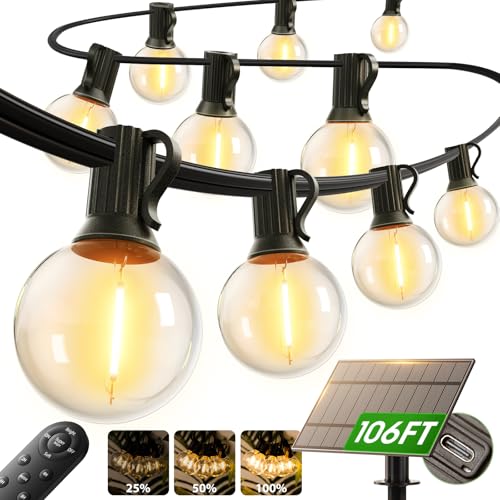
addlon 100FT Solar String Lights Outdoor with Remote, 54 LED Shatterproof Bulbs, USB Charging, 20+ Hour Runtime, Dimmable & Timable, G40 Waterproof Solar Lights for Outside Backyard Patio Garden Decor
Solar String Lights – No Outlets, No Bills, Flexible Placement: The total length is 106FT (100FT lights +...
As an affiliate, we earn on qualifying purchases.
Conclusion
Now that you understand heat loss, wind, and insulation basics, you’re ready to build or improve your shelter. But remember, the real challenge lies in how well you adapt to changing conditions and unexpected surprises. Will your shelter hold up when faced with the harshest elements? The key is staying vigilant and continuously upgrading your defenses. Because in the end, the difference between comfort and disaster could come down to what you do next—are you prepared?

Brightown 52FT Solar String Lights Outdoor Waterproof, Patio Lights with Remote & Timer, USB/Solar Powered Dimmable Outdoor Lights, 15+1 LED Bulbs for Backyard Garden Camping Party - 26Hrs Runtime
【Solar Powered & USB Charging】52FT solar string lights with 15+1 shatterproof st38 LED bulbs (E12 base) – harness...
As an affiliate, we earn on qualifying purchases.

addlon 52(48+4) FT Solar String Lights Waterproof,Patio Lights Solar Powered with Remote & USB Port 16+1 LED Shatterproof Bulbs 3 Light Modes, Dimmable Solar Light for Camping Backyard Garden
【UPGRADED! Remote Control】 Our advanced remote control marries ease with innovation for next-gen solar string lights:3 Brightness Mode:...
As an affiliate, we earn on qualifying purchases.