
To train your breath-hold safely on land, start by choosing a calm, distraction-free space and focus on relaxation through deep diaphragmatic breathing. Never practice alone, and always have a safety spotter nearby. Use gradual exercises like CO2 and O2 tables to build tolerance and capacity while avoiding hyperventilation. Pay close attention to your body signals and respect your limits to prevent accidents. If you keep exploring these methods, you’ll discover how to improve your breath-hold confidently and safely.
Key Takeaways
- Always practice with a trained spotter present to ensure safety during breath-hold exercises.
- Avoid hyperventilation before breath-holding to prevent dizziness and shallow water blackout risks.
- Conduct training in a calm, distraction-free environment to enhance focus and minimize accidents.
- Use gradual progressions, like CO2 and O2 tables, to safely increase breath-hold capacity over time.
- Recognize body signals of distress and stop immediately if discomfort, dizziness, or abnormal symptoms occur.

Training your breath-hold on land can be safe and effective if you follow proper techniques and precautions. Whether you’re preparing for freediving, snorkeling, or just want to improve your overall breath control, practicing on land allows you to develop your skills in a controlled environment. The key is understanding aqua safety principles and mastering breath control techniques that enhance your lung capacity without risking your well-being. Always prioritize safety and never push yourself beyond your limits during training.
Start by establishing a calm environment free from distractions. Find a quiet space where you can sit or lie down comfortably. Before beginning, take a few moments to relax, focusing on steady, deep breaths to calm your nervous system. This initial relaxation helps you become more aware of your breathing patterns and sets a steady baseline for your training. When practicing breath-hold exercises, it’s vital to use proper breath control techniques. These involve gradually increasing your breath-hold time through exercises like diaphragmatic breathing and controlled inhale/exhale cycles. With diaphragmatic breathing, you breathe deeply into your belly rather than shallowly into your chest, which maximizes oxygen intake and promotes relaxation.
As you progress, incorporate specific breath-hold drills such as CO2 tables and O2 tables. CO2 tables help you tolerate higher levels of carbon dioxide in your blood, improving your ability to hold your breath comfortably for longer periods. O2 tables, on the other hand, focus on increasing your lung capacity by gradually extending the duration of your breath-holds. Always practice these exercises with safety in mind. Never do breath-hold training alone, and avoid hyperventilating before holding your breath, as this can lead to dizziness or fainting. Hyperventilation reduces carbon dioxide levels too quickly, impairing your body’s natural warning signs and increasing the risk of shallow water blackout.
Educate yourself about aqua safety principles, even when practicing on land. Understand how to recognize signs of distress in yourself and others, and always have a safety spotter nearby if you decide to practice in or around water. Remember, the goal is to improve your breath control and lung capacity safely, not to push to extreme limits. As you become more comfortable with these techniques, you’ll notice increased breath-hold duration and better control over your breathing reflexes. Consistent, mindful practice builds confidence and safety awareness, vital for progressing in any water-based activity. Keeping in mind the importance of projector technology can also help you understand the significance of quality and safety in your training environment. Keep your focus on gradual improvement, stay within your comfort zone, and always respect your body’s signals. Proper training on land sets a solid foundation for underwater safety and enjoyment.

TVKB 68'' All Metal Garden Tool Organizer Adjustable Garage Tool Organizer Wall Mount Garage Organizers and Storage with Heavy Duty Hooks Tool Hangers for Garage Wall, Shed, Garden
- Material: All metal for durability and strength
- Assembly: Pre-assembled with adjustable hooks
- Hook Types: Includes L and S metal hooks
As an affiliate, we earn on qualifying purchases.
Frequently Asked Questions
How Long Should I Gradually Increase My Breath-Hold Duration?
You should gradually increase your breath-hold duration over several weeks, focusing on safe progress. Aim for a progressive extension of about 5-10 seconds per session, making sure you reach each safety milestone comfortably. Listen to your body, never push through discomfort, and take rest days. This steady approach helps build lung capacity safely, reducing risks, and ensures you develop confidence and control during your breath-hold training.
Can Breath-Hold Training Improve Free Diving Performance?
Yes, breath-hold training can improve your free diving performance. By practicing breath hold techniques, you increase lung capacity and efficiency. Mental preparation is essential, helping you stay calm and focused underwater. Regularly training on land allows you to build confidence and control your breathing, which translates to better dives. Incorporate these practices into your routine, and you’ll notice improvements in your ability to hold your breath longer and dive deeper.
Are There Specific Safety Precautions for Cold Environments?
In freezing cold environments, you must take extreme precautions to stay safe. Cold exposure can turn your body into a hypothermia hotspot faster than you’d ever imagine, risking serious health issues. Always wear insulated gear, limit your time outside, and keep moving to generate warmth. Never dive alone, stay aware of your body’s signals, and have a warm shelter nearby. These steps keep hypothermia at bay, ensuring your safety in icy conditions.
How Can I Prevent Hyperventilation During Training?
To prevent hyperventilation risks during training, focus on proper breathing techniques. Avoid rapid, shallow breaths and instead practice slow, controlled inhales and exhales. Pay attention to your body’s signals and stop if you feel dizzy or lightheaded. Incorporate breathing exercises like diaphragmatic breathing to maintain calmness. These habits help maintain balanced oxygen levels, reducing hyperventilation risks and ensuring safer breath-hold training.
Is Breath-Hold Training Suitable for Beginners?
Breath-hold training can be suitable for beginners if you start with simple breath hold techniques and beginner exercises. Focus on gradual progress, listening to your body, and avoiding pushing too hard too quickly. Always practice in a safe environment, and consider consulting a professional for guidance. With patience and proper technique, you’ll build your lung capacity and confidence safely while minimizing risks.

TIDYME Garage Tool Organizer Wall Mount - 48 inches - Sturdy Storage Rack with Adjustable Hooks, Anti-Rust - Easy Installation, 300lbs Capacity - Garden Tool Organizer (03 Racks & 06 Hooks)
- Heavy-Duty Capacity: Supports up to 300 lbs
- Space-Saving Organization: Keeps tools tidy and accessible
- Durable Carbon Steel: Resists rust and wear
As an affiliate, we earn on qualifying purchases.
Conclusion
By mastering safe land breath-hold techniques, you’ll reveal the extraordinary ability to defy the very limits of human endurance. With every controlled breath, you push past what you thought was possible, transforming yourself into a true master of oxygen conservation. Remember, safety isn’t just a rule—it’s your secret weapon against the seemingly impossible. Embrace these methods, and you’ll soon find yourself performing feats that leave others breathless, marveling at your astonishing control and resilience.

Tool Organizer for Garden, Garage Tool Organizer & Garage Organization – Heavy Duty Steel Garden Tool Organizer Stand Holds 35 Tools/Rakes/Brooms, Tool Storage Rack for Shed/Outdoor, Garage Organizer
- Large Capacity Tool Slots: Holds up to 35 tools
- Adjustable Feet for Stability: Suitable for uneven ground
- Heavy Duty Steel Construction: Rust and corrosion resistant
As an affiliate, we earn on qualifying purchases.
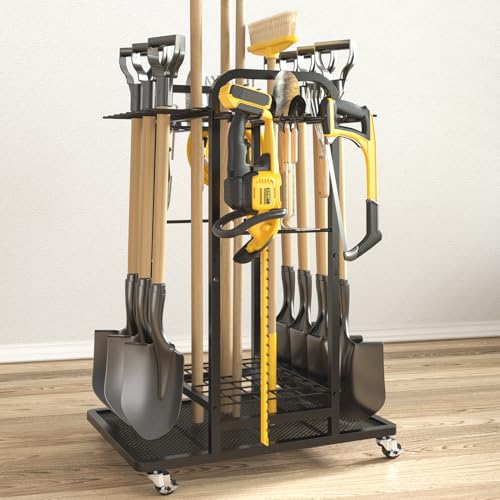
SOYEEZE Garden Tool Organizer with Lockable Wheels, Heavy Duty 3-Tier Yard Tower Tool Rack for Garage, Holds Up to 35 Long-Handled Tools, Garden Tool Cart with 12 Hooks for Tool Organization Storage
- Enhanced Stability: Larger base prevents tipping and sliding
- Ample Storage Capacity: Holds up to 35 long-handled tools
- Additional Hooks: Includes 12 hooks for small tools
As an affiliate, we earn on qualifying purchases.