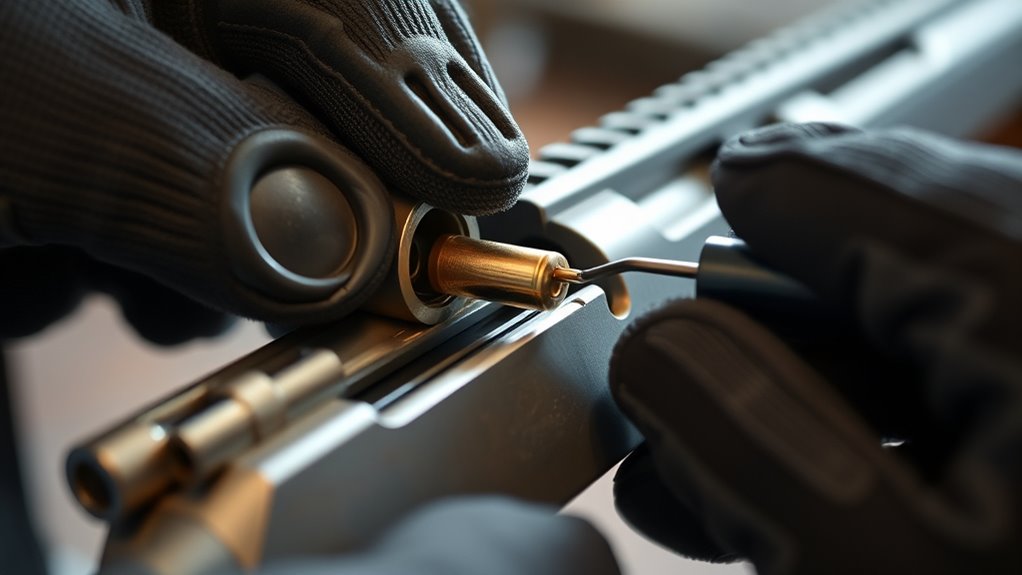

To clear jams and misfires safely, always point your firearm in a safe direction and keep your finger off the trigger. Make sure it’s unloaded before inspecting, then remove the magazine and carefully pull back the slide or bolt to eject any stuck cartridge. Don’t force anything if it resists, and verify the chamber and magazine are empty afterward. Proper maintenance and movement techniques are essential—continue to explore how to do this correctly.

Get garden gear delivered free — and shop member deals
- Fast, free delivery on millions of items
- Access to Prime Big Deal Days deals on October 6–7
- Prime Video, Amazon Music and more included
Key Takeaways
- Always keep the firearm pointed in a safe direction and keep your finger off the trigger during troubleshooting.
- Remove the magazine and visually inspect the chamber before attempting to clear a jam or misfire.
- Pull back the slide or bolt firmly to eject any stuck cartridge, avoiding force if resistance is encountered.
- After clearing, check for damage or debris, then apply proper lubrication and inspect for proper function.
- Test fire in a safe environment to confirm the firearm operates correctly, and seek professional assistance if issues persist.
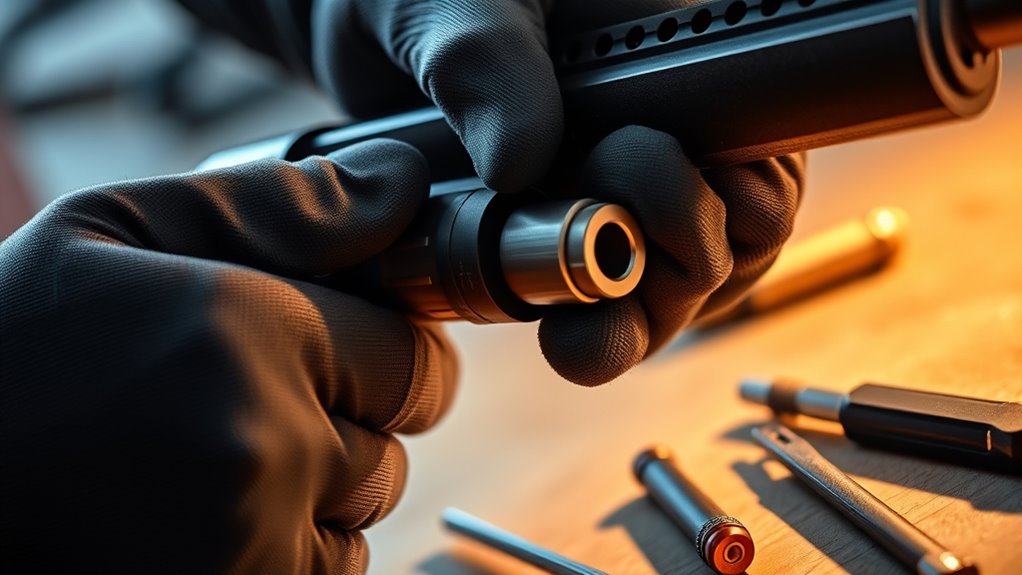
When your firearm jams or misfires, it can be frustrating and potentially dangerous if not handled properly. Staying calm and following proper safety procedures is crucial to prevent accidents and ensure your firearm functions correctly. The first step is to keep your finger off the trigger and point the gun in a safe direction until you’re ready to address the issue. This helps avoid accidental discharges, which can cause injury or damage. Once safety is assured, you should perform a quick visual inspection to identify the problem. Many jams are caused by poor gun maintenance, such as dirty or improperly lubricated components, so regular cleaning and inspections are critical for reliable operation. Additionally, adherence to firearm safety protocols during troubleshooting minimizes risk and maintains control. Next, you’ll want to clear the jam carefully. Depending on the type of malfunction, the procedure may differ slightly. For a stovepipe or failure to eject, gently remove the magazine first, then hold the firearm securely and pull back the slide or bolt to eject the stuck cartridge or casing. If it doesn’t come free easily, don’t force it—try to identify whether the obstruction is caused by debris or a mechanical issue. For a misfire, keep the firearm pointed in a safe direction, wait a few seconds, then remove the magazine, and attempt to clear the chamber. Always check that the chamber is empty before proceeding further. Remember, safety procedures dictate that you handle each step with care, never rushing, to avoid accidental discharge. After clearing the jam, it’s important to conduct a quick gun maintenance check. Look for any signs of damage, excessive dirt, or debris that might have contributed to the malfunction. Wipe down the components and apply lubrication as recommended by the manufacturer. Proper gun maintenance not only prevents future jams but also extends the lifespan of your firearm. Always remember to double-check that the firearm is unloaded before performing maintenance or clearing jams, and never rely solely on the assumption that it’s safe—verify by physically inspecting the chamber and magazine. Once you’ve cleared the jam and performed basic gun maintenance, test fire the weapon in a safe environment to confirm it’s functioning correctly. If problems persist, consult a qualified gunsmith or professional for a thorough inspection. Handling jams and misfires with care, patience, and adherence to safety procedures keeps you safe and ensures your firearm remains in prime condition. Regular maintenance and understanding how to clear jams properly are essential skills for any firearm owner, helping you avoid dangerous situations and ensuring reliable operation when you need it most.
Frequently Asked Questions
What Safety Gear Should I Wear When Clearing Jams?
When clearing jams or misfires, you should wear proper eye protection and hearing protection. Eye protection shields your eyes from potential debris or springs that may suddenly come loose, while hearing protection guards your ears from loud noises that can cause damage. Always prioritize safety by wearing these gear pieces, and follow your firearm’s safety guidelines to prevent injury during the process.
How Can I Prevent Jams From Occurring?
Prevent problems before they start by practicing proper lubrication techniques and ensuring cartridge compatibility. Regularly lubricate moving parts to minimize friction and jam risk. Always verify that your cartridges are compatible with your firearm to avoid misfeeds and jams. By maintaining your firearm with attentive lubrication and matching cartridges correctly, you reduce the chances of jams happening, keeping your shooting smooth, safe, and enjoyable without unnecessary interruptions.
When Should I Seek Professional Help Instead of DIY?
You should seek professional assistance whenever DIY safety feels compromised. If you’re unsure about how to safely clear a jam or misfire, don’t risk injury—call a trained technician. Avoid attempting repairs that involve complex parts or electrical components beyond your skill level. Rely on professional help to guarantee the job’s done correctly and safely, preventing damage to your equipment or personal harm. When in doubt, it’s always better to get expert guidance.
Are There Specific Tools Recommended for Clearing Misfires?
Did you know that using the right tools can reduce misfire clearing time by nearly 50%? For clearing misfires, you should have manual tools like a cleaning rod, pliers, and a flashlight. Keep replacement parts such as firing pins and extractors on hand. These tools help you accurately diagnose and fix issues, but if you’re unsure or uncomfortable, consider seeking professional help to avoid further damage or safety risks.
How Do I Identify the Cause of Frequent Jams?
You can identify the cause of frequent jams by inspecting your ammunition for damage or defects and checking for proper chamber cleanliness. Guarantee your rounds are consistent and free of deformities, and keep the chamber free of dirt and residue. If jams persist, try different ammunition types or consult a gunsmith. Regular maintenance and thorough inspection help prevent recurring issues, making your firearm more reliable and safe to operate.
Conclusion
Now that you know how to clear jams and misfires safely, you’re better prepared to handle these common issues without panic. Remember, patience and caution are key to avoiding injury or damage. So next time your printer or firearm acts up, will you take a deep breath and follow the steps confidently? Staying calm and informed makes troubleshooting much easier. After all, isn’t it more satisfying to fix problems yourself than to let frustration take over?
Fall yard work Picks
leaf blowers
As an affiliate, we earn on qualifying purchases.