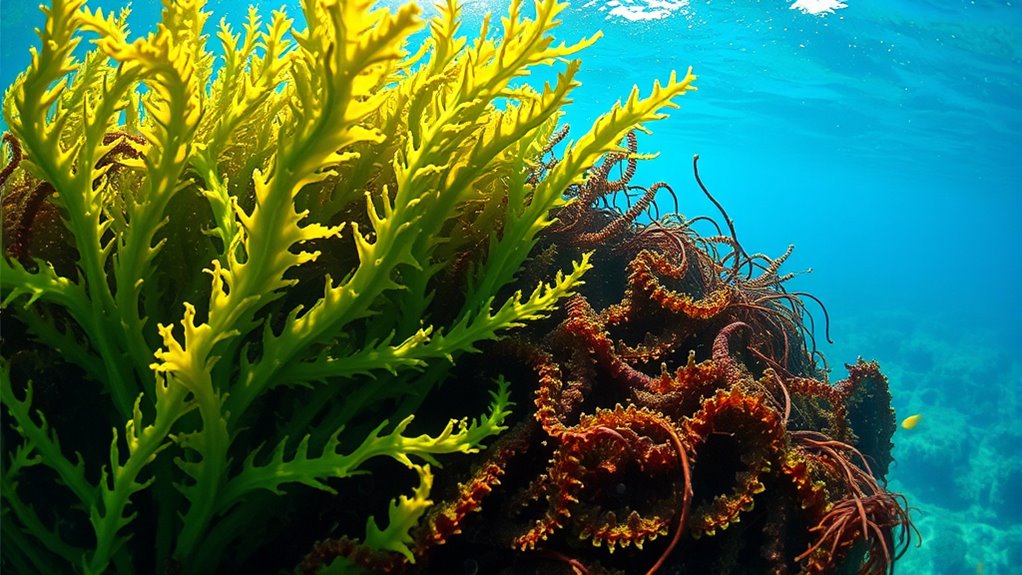

To tell edible from problematic seaweeds, focus on key features like leaf shape, color, texture, and growth patterns. Always verify your identification with trusted guides or local experts, as many lookalikes can contain toxins. Avoid harvesting from polluted waters and make sure thorough rinsing after collection. Remember, appearance alone isn’t enough—proper identification and safety checks are essential. Keep exploring to discover more tips on safe seaweed foraging.

Get garden gear delivered free — and shop member deals
- Fast, free delivery on millions of items
- Access to Prime Big Deal Days deals on October 6–7
- Prime Video, Amazon Music and more included
Key Takeaways
- Use specific features like leaf shape, color, texture, and growth patterns for accurate identification.
- Always cross-reference with reputable guides or experts to confirm edible status.
- Be cautious of lookalikes; some toxic red algae resemble safe seaweeds but contain harmful toxins.
- Harvest from clean, uncontaminated waters and thoroughly rinse before consumption.
- Environmental factors can alter appearance; verify species carefully before eating to avoid health risks.
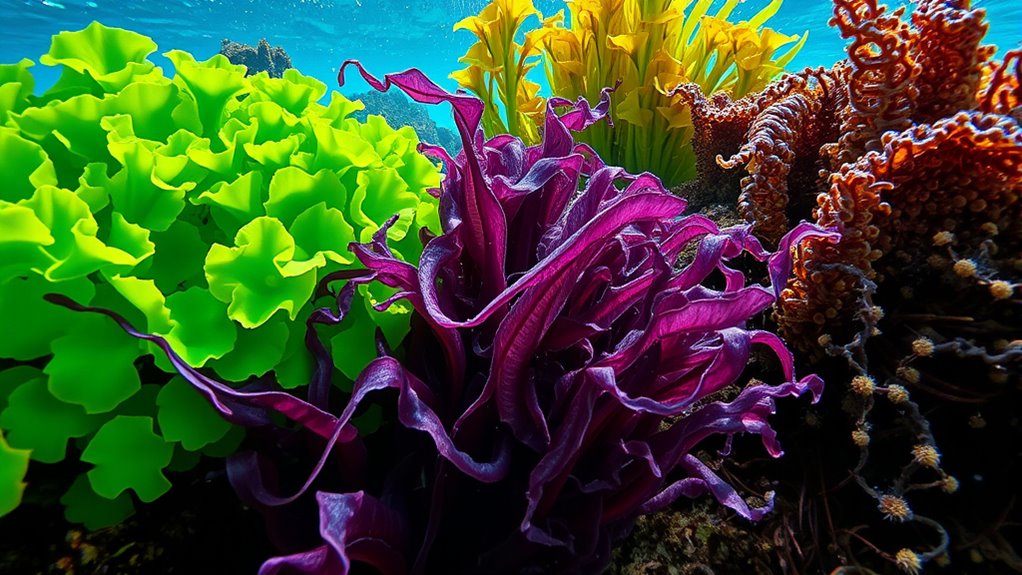
Seaweeds are diverse aquatic plants that play essential roles in marine ecosystems, and identifying them accurately is key for researchers, divers, and enthusiasts alike. When you’re exploring the underwater world or foraging along the coast, knowing how to distinguish edible seaweeds from problematic ones is crucial. One of the main concerns is the presence of toxic lookalikes—seaweeds that resemble safe, edible species but can cause serious health issues if consumed. These lookalikes can be confusing, especially for beginners, making careful identification vital to avoid accidental poisoning. To ensure harvesting safety, you should focus on clear identification markers, such as leaf shape, color, texture, and growth patterns, rather than relying solely on appearance. Remember, just because two species look similar doesn’t mean they’re safe to eat.
It’s tempting to pick what looks familiar or pretty, but toxic lookalikes are a real threat. For example, some red algae species might resemble edible varieties like nori or dulse, but they may contain toxins that can cause nausea, vomiting, or more severe reactions. The key is to learn the specific features that differentiate safe species from dangerous ones. Always cross-reference with reputable field guides, local expert advice, or trusted sources before harvesting. When you’re in doubt, it’s better to leave a seaweed behind than risk poisoning yourself or others. This is especially important when you’re collecting seaweed directly from the wild, where environmental factors can influence their appearance and make identification more challenging. Additionally, understanding the significance of color accuracy in identification can help distinguish species more reliably, especially under varying light conditions.
Harvesting safety isn’t just about avoiding toxic lookalikes; it’s also about ensuring you’re collecting from clean, uncontaminated waters. Pollution, heavy metals, and other pollutants can accumulate in seaweeds, posing health risks even if the species itself is safe. So, always gather from areas known to be clean and avoid seaweeds growing near industrial sites, sewage outlets, or busy ports. Proper handling after harvesting is equally important—rinsing thoroughly to remove sand, salt, and potential contaminants helps keep your seaweed safe for consumption. Remember, accurate identification is your first line of defense against health hazards and ensuring you’re enjoying the benefits of edible seaweeds responsibly. When in doubt, consult local experts or reputable guides to confirm your identification, and never underestimate the importance of harvesting safety in your foraging adventures.
Frequently Asked Questions
How Can I Tell if a Seaweed Is Fresh or Spoiled?
To tell if seaweed is fresh or spoiled, check its texture and color indicators. Fresh seaweed feels firm and moist, with a vibrant, natural color. Spoiled seaweed often becomes slimy, brittle, or mushy, and its color may fade or turn dull and brownish. Smell it—fresh seaweed has a clean, ocean-like scent, while spoiled seaweed emits a sour or foul odor. Rely on your senses to guarantee quality.
Are There Seasonal Changes in Seaweed Appearance?
Yes, there are seasonal growth and appearance variations in seaweeds. During different times of the year, you’ll notice changes like color shifts, size, and texture. For example, some seaweeds grow more vibrant in summer, while others may become more brittle or less dense in winter. These seasonal changes are natural, so understanding them helps you better identify and assess seaweed health and edibility throughout the year.
Can Edible Seaweeds Grow in Polluted Waters?
Yes, edible seaweeds can grow in polluted waters, but pollution impact and poor water quality often compromise their safety and quality. You should be cautious because contaminants like heavy metals and toxins can accumulate in seaweeds from polluted environments. Always check water quality reports and sourcing information to verify you’re harvesting or consuming seaweed from clean, safe waters. This helps prevent health risks associated with contaminated seaweed.
What Tools Are Best for Harvesting Seaweed Responsibly?
You should use eco-friendly tools like hand-held scissors or rakes made from sustainable materials for harvesting seaweed responsibly. These tools help you practice sustainable harvesting by minimizing environmental impact and avoiding damage to the seaweed beds. Coincidentally, choosing the right tools guarantees you collect only what’s needed, keeping the ecosystem healthy. By prioritizing eco-friendly tools, you support sustainable harvesting and protect marine environments for future generations.
Are There Regional Differences in Edible Seaweed Varieties?
Yes, regional varieties of edible seaweed differ based on your location and cultural preferences. In Asia, you’ll find nori, wakame, and kombu popular, while in North America, dulse and kelp are more common. These differences arise from local seaweed availability, climate, and culinary traditions. When foraging or purchasing, consider regional varieties to enjoy authentic flavors, and respect local harvesting guidelines to support sustainable practices.
Conclusion
So, next time you’re tempted to munch on that mysterious seaweed, remember: not all greens are created equal. While some are delicious delicacies, others could turn your snack into a trip to the emergency room. Play it safe, learn your edible from your problematic, and avoid turning your seaside feast into a salty disaster. After all, the ocean’s a buffet—just make sure you’re choosing the right dishes, not the dangerous ones!
Fall Picks
fall essentials
As an affiliate, we earn on qualifying purchases.