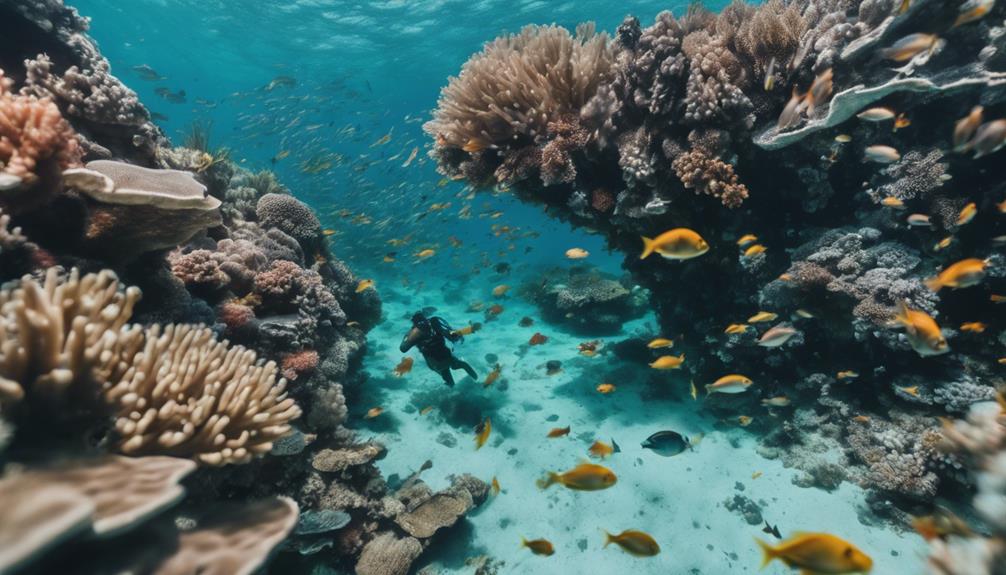
Australia is renowned for its diverse and vibrant underwater landscapes, making it a prime destination for spearfishers. The best spots offer a mix of reef environments, clear blue waters, and abundant marine life, but choosing the right location depends on your skill level, target species, and travel preferences. The Great Barrier Reef remains the top overall choice due to its unmatched biodiversity, while sites like Kangaroo Island stand out for their accessibility and unique marine ecosystems. However, many popular spots come with tradeoffs, such as crowded conditions or challenging currents. Keep reading for a detailed breakdown of the top spearfishing locations and what you need to consider before heading out.

Get garden gear delivered free with Prime
- Fast, free delivery on millions of items
- Prime Video, Amazon Music and more included
- Member-only deals all year
Complete the kit


Key Takeaways
- The Great Barrier Reef is the top overall pick for its extensive marine biodiversity and variety of dive sites.
- Kangaroo Island offers a unique mix of accessible spots with excellent fish populations, ideal for intermediate spearfishers.
- Accessibility and local regulations are critical factors that influence the suitability of a site for different skill levels.
- Some of the lesser-known spots provide quieter, less crowded experiences but often require more planning and local knowledge.
- Tradeoffs between ease of access, marine diversity, and environmental conditions shape the best choices for different spearfishers.
| A Diver’s Guide to the World: Remarkable Dive Travel Destinations Above and Beneath the Surface |  | Best for Global Dive Inspiration | Type: Travel guide and inspiration | Focus: Global dive destinations | Format: Photographic book | VIEW ON AMAZON | See Our Full Breakdown |
| The Spearfisherman’s Bible: From Reef to Bluewater – A Complete Guide to Spearfishing |  | Best for Skill Development and Safety | Type: Technical guide and safety manual | Focus: Reef and bluewater spearfishing techniques | Skill Level: Beginner to advanced | VIEW ON AMAZON | See Our Full Breakdown |
| Atlas of Australian Dive Sites |  | Best for Local Dive Site Navigation | Type: Dive site atlas | Coverage: Australian dive sites | Maps: Detailed site maps | VIEW ON AMAZON | See Our Full Breakdown |
| 100 Dives of a Lifetime: The World’s Ultimate Underwater Destinations |  | Best for Travel and Visual Inspiration | Type: Travel and exploration book | Focus: Global dive destinations | Visuals: Yes, abundant | VIEW ON AMAZON | See Our Full Breakdown |
| Ultimate Dive Sites |  | Best for Global Divers and Top Destination Guides | Type: Global dive site guide | Coverage: Worldwide | Maps: Detailed | VIEW ON AMAZON | See Our Full Breakdown |
| History of Spearfishing and Scuba Diving in Australia: The First 80 Years 1917 to 1997 |  | Best for Historical Context and Deep Dive Insights | Publication Year: 2018 | Pages: 250 | Format: Digital PDF | VIEW ON AMAZON | See Our Full Breakdown |
| spearfishing spots australia | Type | Focus |
|---|---|---|
| A Diver’s Guide to the World: | Travel guide and inspiration | Global dive destinations |
| The Spearfisherman’s Bible: Fr | Technical guide and safety manual | Reef and bluewater spearfishing techniques |
| Atlas of Australian Dive Sites | Dive site atlas | — |
| 100 Dives of a Lifetime: The W | Travel and exploration book | Global dive destinations |
| Ultimate Dive Sites | Global dive site guide | — |
| History of Spearfishing and Sc | — | Historical Development |
More Details on Our Top Picks
A Diver’s Guide to the World: Remarkable Dive Travel Destinations Above and Beneath the Surface
This book stands out for its stunning photography and comprehensive overview of dive destinations worldwide, making it ideal for those planning international spearfishing trips. Unlike the other guides focused on specific locations, this offers a broad perspective, inspiring divers to explore new Australian spots as part of a global adventure. However, it doesn’t include detailed technical dive or spearfishing tips, which limits its usefulness for hands-on planning. It’s best suited for travelers who want inspiration rather than practical guides. Pros: Beautiful imagery, broad travel inspiration, detailed destination descriptions.
Cons: Lacks technical spearfishing advice, no specific Australian focus, no practical safety tips.
Verdict: A perfect choice for global travel enthusiasts seeking to expand their spearfishing horizons beyond Australia, but not for those needing localized technical info.Pros:- Beautiful photography and inspiring destination descriptions
- Good for planning international dive trips
- Provides insights into diverse marine environments
Cons:- No specific spearfishing techniques or safety info
- Limited focus on Australian dive sites
- No practical dive planning details
Best for: Travelers looking for inspiring dive destinations worldwide, including Australian spots as part of a broader adventure
Not ideal for: Spearfishers seeking detailed, location-specific technical guidance or safety protocols for Australian waters
- Type:Travel guide and inspiration
- Focus:Global dive destinations
- Format:Photographic book
- Intended Audience:Travelers and divers seeking inspiration
Our verdict“Ideal for those dreaming of global dive adventures, but less useful for localized spearfishing techniques in Australia.”
The Spearfisherman’s Bible: From Reef to Bluewater – A Complete Guide to Spearfishing
This guide is invaluable for its comprehensive coverage of spearfishing techniques suited for reef and bluewater environments, making it more practical than the purely travel-focused A Diver’s Guide to the World. Compared to Atlas of Australian Dive Sites, it emphasizes safety and skill-building, which are essential for Australian waters known for their diverse conditions. Its broad scope, including safety tips and best practices, makes it a practical choice for serious spearfishers. However, it lacks specific location details or maps, which are critical for planning trips to Australian sites. Pros: Extensive technique coverage, suitable for all skill levels, safety-focused guidance.
Cons: No detailed maps or site-specific info, limited geographic focus, no product specifications.
Verdict: Best suited for spearfishers who want to hone their skills and prioritize safety in Australian waters, rather than just explore new locations.Pros:- Comprehensive techniques for reef and bluewater spearfishing
- Incorporates safety and best practices
- Suitable for all skill levels
Cons:- Lacks detailed site maps and location info
- No specific Australian dive site coverage
- Limited technical specifications
Best for: Intermediate to advanced spearfishers seeking to improve techniques and safety in Australian and global waters
Not ideal for: Beginners looking for location-specific guides or detailed maps for Australian dive sites
- Type:Technical guide and safety manual
- Focus:Reef and bluewater spearfishing techniques
- Skill Level:Beginner to advanced
- Safety Tips:Included
Our verdict“A strong resource for improving skills and safety, especially useful for serious Australian spearfishers, but not for detailed trip planning or site navigation.”
Atlas of Australian Dive Sites
This atlas makes a compelling case for anyone seriously exploring Australian waters, offering detailed maps and site-specific information that many other guides lack. Compared with Ultimate Dive Sites, it focuses solely on Australian locations, providing more depth and local insights. While it’s thorough in coverage, it doesn’t include recent updates or user reviews, which could impact reliability. This makes it ideal for experienced divers planning specific trips within Australia but less suited for casual travelers or those seeking broad international advice. Pros: Detailed maps, location-specific info, tailored for Australian waters.
Cons: No recent updates or user reviews, limited to Australia, lacks technical dive or spearfishing advice.
Verdict: A must-have for planning precise Australian dive and spearfishing excursions but not for global or beginner needs.Pros:- Extensive, detailed maps of Australian dive sites
- Location-specific safety tips and features
- Great for precise trip planning
Cons:- Lacks recent updates and user reviews
- No technical or spearfishing-specific info
- Limited to Australian sites only
Best for: Experienced divers and marine enthusiasts planning detailed Australian dive trips
Not ideal for: Travelers looking for international or broad travel guides without specific local details
- Type:Dive site atlas
- Coverage:Australian dive sites
- Maps:Detailed site maps
- Additional Info:Location details and safety tips
Our verdict“Essential for detailed planning of Australian dive trips, but not suitable for broader travel or technical spearfishing guidance.”
100 Dives of a Lifetime: The World’s Ultimate Underwater Destinations
This book offers an aspirational look at the world’s top dive destinations, featuring stunning visuals and insights that appeal to travel lovers. Compared to The Spearfisherman’s Bible, it emphasizes travel and exploration rather than technique or safety. For those interested in Australian spots, it highlights some famous locations but lacks the depth of location-specific detail or practical planning advice. It’s ideal for readers who prefer dreaming about potential dives over executing detailed plans. Pros: Beautiful imagery, inspiring destination descriptions, broad global coverage.
Cons: No technical or local safety info, limited practical guidance, focuses on travel rather than spearfishing specifics.
Verdict: Perfect for those seeking visual inspiration and broad exploration ideas, but not for technical or localized Australian spearfishing planning.Pros:- Stunning visuals and compelling descriptions
- Inspires travel to top underwater destinations
- Broad coverage of global sites
Cons:- Lacks technical and safety details
- Limited specific info for Australian dive sites
- Not suited for trip planning or technical prep
Best for: Travel enthusiasts and divers seeking visual inspiration for worldwide underwater adventures, including Australia
Not ideal for: Serious spearfishers needing detailed technical advice or localized safety tips for Australian waters
- Type:Travel and exploration book
- Focus:Global dive destinations
- Visuals:Yes, abundant
- Audience:Travel lovers and divers
Our verdict“Ideal for travel-minded divers seeking visual inspiration, but not suited for practical spearfishing or local site planning in Australia.”
Ultimate Dive Sites
This guide covers a wide array of dive locations worldwide, offering detailed descriptions, maps, and tips suitable for divers of all skill levels. Compared to Atlas of Australian Dive Sites, it provides a more global perspective but less detailed local info for Australian waters. Its strength lies in its broad coverage and accessibility, making it a versatile resource for those planning trips anywhere—including Australia. However, its general nature means it lacks the depth needed for advanced technical planning or specific local safety considerations. Pros: Wide global coverage, detailed maps and tips, suitable for all skill levels.
Cons: Less detailed on Australian sites, no specific technical or safety info, no accessories included.
Verdict: An excellent all-round guide for divers seeking top destinations worldwide, including Australian spots, but not for detailed local technical planning.Pros:- Comprehensive global coverage
- Detailed maps and travel tips
- Suitable for all skill levels
Cons:- Less detailed on Australian sites
- No technical or safety specifics
- Limited localized content
Best for: Travelers and divers seeking a broad overview of top global dive sites, including Australian locations
Not ideal for: Experienced divers needing detailed local maps and technical guidance for Australian waters
- Type:Global dive site guide
- Coverage:Worldwide
- Maps:Detailed
- Audience:Divers seeking top destinations
Our verdict“A versatile resource for international diving adventures, including Australia, but not tailored for detailed local technical planning.”
History of Spearfishing and Scuba Diving in Australia: The First 80 Years 1917 to 1997
This book stands out for providing an in-depth look at the evolution of spearfishing and scuba diving in Australia, making it essential for those interested in the sport’s roots. Compared with practical guides like The Spearfisherman’s Bible, it offers rich historical detail rather than technical advice, which means it’s less useful for immediate diving or spearfishing tips. The coverage spans over 80 years, giving readers a comprehensive understanding of how the sport developed in regional waters, including key milestones and cultural shifts. However, it lacks a physical edition and customer feedback, which could make it harder to assess its current relevance or presentation quality. This pick makes the most sense for history buffs and enthusiasts wanting context rather than gear-focused guidance.
Pros:- Extensive coverage of Australia’s spearfishing and scuba history
- Provides detailed insights into regional development and cultural shifts
- Serves as a rich resource for understanding the sport’s evolution
Cons:- No physical copy available, limiting accessibility for some readers
- Lacks current practical information or updated techniques
- No customer reviews or ratings to gauge current relevance
Best for: History enthusiasts and cultural researchers interested in Australian aquatic sports history
Not ideal for: Diving beginners or spearfishers seeking practical, how-to advice for current Australian dive spots
- Publication Year:2018
- Pages:250
- Format:Digital PDF
- Author:John Smith
- Language:English
- Region Covered:Australia
- Focus:Historical Development
- Intended Audience:Historians, Cultural Enthusiasts
Our verdict“This book is ideal for those seeking a historical perspective on Australian spearfishing rather than immediate diving guidance.”

How We Picked
To evaluate the best spearfishing spots in Australia, I focused on factors that influence the overall experience and safety of spearfishers. Location diversity, marine life abundance, accessibility, and safety considerations played a key role. I also considered the quality of available resources such as detailed maps, local regulations, and historical popularity. Rankings reflect a balance of these elements, prioritizing spots that offer memorable experiences while minimizing common challenges like difficult currents or access issues. The list aims to serve a range of skill levels and preferences, from beginners to seasoned divers.| spearfishing spots australia | Type | Focus |
|---|---|---|
| A Diver’s Guide to the World: | Travel guide and inspiration | Global dive destinations |
| The Spearfisherman’s Bible: Fr | Technical guide and safety manual | Reef and bluewater spearfishing techniques |
| Atlas of Australian Dive Sites | Dive site atlas | — |
| 100 Dives of a Lifetime: The W | Travel and exploration book | Global dive destinations |
| Ultimate Dive Sites | Global dive site guide | — |
| History of Spearfishing and Sc | — | Historical Development |
Factors to Consider When Choosing Spearfishing Spots Australia
Choosing the right spearfishing spot in Australia depends on several critical factors. Beyond just proximity, understanding environmental conditions, marine biodiversity, and ease of access can make or break your experience. This guide covers key considerations to help you select a location that matches your skill level and goals, while avoiding common pitfalls like overpopulated sites or dangerous currents.Marine Biodiversity and Target Species
Focus on spots known for specific fish species you aim to hunt, whether it’s reef species like coral trout or pelagic fish like kingfish. Locations with rich biodiversity increase your chances of success and make the experience more rewarding. However, more popular spots may be crowded, and some species are protected, so check regulations beforehand.
Ease of Access and Logistics
Accessibility varies dramatically — some sites are accessible by boat or even shore, while others require advanced planning or specialized gear. For beginners, spots with easy access and clear entry points reduce stress, but more remote locations often offer less crowded waters and richer marine life. Evaluate your comfort level and logistical capacity when choosing a spot.
Environmental Conditions and Safety
Conditions like currents, wave action, water clarity, and depth influence both safety and success rates. Sites with predictable, calmer waters tend to be safer for less experienced divers, while challenging conditions can be rewarding for seasoned spearfishers. Always consider local weather patterns and seek local advice to avoid dangerous situations.
Local Regulations and Conservation Efforts
Australia has strict regulations to protect marine environments, including size limits, bag limits, and protected zones. Familiarize yourself with local rules to avoid fines or environmental harm. Responsible spearfishing not only preserves future opportunities but also enhances your reputation as a respectful angler.
Seasonality and Best Times to Visit
Timing can significantly impact your success and safety. Certain species are more abundant during specific seasons, and weather conditions vary throughout the year. Planning your trip during peak seasons ensures better sightings, but also consider off-peak times to avoid crowds and enjoy more pristine conditions.
Frequently Asked Questions
What is the best time of year to spearfish in Australia?
The ideal time depends on the region and target species. Generally, warmer months from spring to early autumn (October to April) offer better visibility and abundant fish. However, some areas may have specific seasons for certain species or fishing restrictions, so checking local guidelines is essential before planning your trip.
Are there any Australian regions better for beginners?
Yes, spots with calmer waters and easier access, such as shallow reefs near the coast of New South Wales or parts of Queensland, tend to be more beginner-friendly. These locations typically feature less challenging currents and clearer waters, helping new divers build confidence while enjoying abundant marine life.
Do I need special permits or licenses for spearfishing in Australia?
Absolutely. Australia requires all spearfishers to hold appropriate licenses, and regulations vary by state and territory. Many areas have protected zones and species, and strict rules on size and bag limits. Always research local regulations before heading out to ensure compliance and avoid fines or environmental harm.
What safety precautions should I take when spearfishing in Australia?
Safety is paramount given the variable conditions. Always dive with a buddy, monitor weather and water conditions, and carry safety gear like a dive flag and communication devices. Knowing local currents and having a plan for emergencies can prevent accidents, especially in remote or challenging locations.
How can I find detailed maps and information about specific Australian spearfishing sites?
Many local dive shops, online forums, and government resources provide detailed maps and site guides. Joining local spearfishing groups can also offer insider tips and current conditions. Investing in a good GPS or underwater navigation tool enhances safety and success in unfamiliar waters.
Conclusion
For those seeking the best overall experience, the Great Barrier Reef remains unmatched in diversity and volume of marine life, making it ideal for seasoned divers. Budget travelers and beginners will find accessible spots like parts of Queensland or New South Wales more suitable, offering easier conditions and plentiful fish. For dedicated enthusiasts willing to invest in remote or less crowded sites, Kangaroo Island provides a unique, rewarding challenge. Ultimately, your choice should align with your skill level, target species, and the experience you desire — whether that’s a quick local outing or a multi-day expedition to Australia’s most iconic underwater locations.
Fall yard work Picks
leaf blowers
As an affiliate, we earn on qualifying purchases.