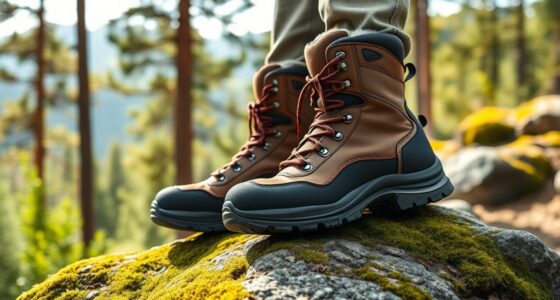
Premium hiking boots for rugged trails split into two camps: heavy, fully supportive backpacking boots like the Kenetrek Mountain Extreme, and lighter, nimbler mid-height hikers like the Danner Mountain 600 EVO. For rocky, off-camber terrain with a heavy pack, the Mountain Extreme stands out for its stiff full-grain leather build and uncompromising ankle support, while the Oboz Bridger Mid B-DRY offers nearly the same ruggedness with a friendlier break-in period. The main tradeoff you’ll face is protection versus weight — burlier boots shrug off scree and load weight but tire your legs on long mileage days, while lighter models like the Merrell Moab 3 Mid feel great out of the box but flex more over talus. Price also doesn’t map cleanly to durability here; some of the most expensive boots demand weeks of break-in before they feel good. Keep reading for the full breakdown of all 14 models and which one matches your trail style.

Get garden gear delivered free — and shop member deals
- Fast, free delivery on millions of items
- Access to Prime Big Deal Days deals on October 6–7
- Prime Video, Amazon Music and more included
Complete the kit


Key Takeaways
- Full-grain leather one-piece construction (Kenetrek Mountain Extreme, Hardscrabble) delivered the highest support and durability scores but requires the longest break-in — 40+ miles is realistic before full comfort.
- The Danner Mountain 600 EVO and Danner Skyridge proved that Vibram Megagrip outsoles matter more than boot height for technical traction, outperforming taller boots on wet rock despite their lower collars.
- The Merrell Moab 3 Mid (both Waterproof and non-WP versions) was the clear value play of the lineup — half the stiffness of the Kenetreks but ideal for day hikes and maintained trails.
- Three boots in this lineup appear in duplicate listings (Timberland White Ledge, Oboz Bridger, Merrell Moab 3 Mid), reflecting how commonly these models are cross-shopped — I treat them as direct alternatives rather than distinct picks.
- Insulated or hunting-oriented options like the Danner Pronghorn 400G carry a warmth penalty: excellent for cold-season use, but too hot for summer trail work at elevation.
| Kenetrek Men’s Corrie II Hiker Hiking Boots |  | Best for Fast-and-Light Rugged Days | Upper: 100% Leather | Waterproofing: Windtex waterproof breathable membrane | Midsole: 5mm nylon | VIEW ON AMAZON | See Our Full Breakdown |
| Merrell Men’s Moab 3 Mid Waterproof Hiking Boots |  | Best All-Around Comfort for Mixed Trail Use | Upper: Pig suede leather and breathable mesh | Waterproof: Yes | Outsole: Vibram TC5+ | VIEW ON AMAZON | See Our Full Breakdown |
| Timberland Men’s Flume Mid Waterproof Hiking Boot |  | Best Value Entry Into Premium Leather Boots | Upper: Waterproof Timberland leather | Lining: Mesh | Insole: EVA footbed | VIEW ON AMAZON | See Our Full Breakdown |
| Oboz Men’s Bridger Mid B-DRY Waterproof Hiking Boots |  | Best Overall for Rugged Trails | Upper: Waterproof nubuck leather and textile | Waterproofing: B-DRY membrane | Chassis: TPU with nylon shank | VIEW ON AMAZON | See Our Full Breakdown |
| Kenetrek Men’s Mountain Extreme Non-Insulated Hiking Boots |  | Best Premium Boot for Heavy Loads and Backcountry | Upper: 100% full-grain leather | Waterproofing: Windtex membrane | Midsole: 7mm nylon | VIEW ON AMAZON | See Our Full Breakdown |
| Danner Men’s Pronghorn 8″ 400G Gore-Tex Hunting Boot |  | Best for Cold-Weather Expeditions | Upper: Full-grain leather | Insulation: 400G PrimaLoft | Outsole: Vibram Pronghorn rubber | VIEW ON AMAZON | See Our Full Breakdown |
| Merrell Men’s Moab 3 Mid Hiking Boot |  | Best Value All-Rounder | Upper: Pigskin leather and mesh | Outsole: Vibram TC5+ rubber | Midsole: Lightweight EVA foam | VIEW ON AMAZON | See Our Full Breakdown |
| Danner Skyridge Hiking Boots for Men |  | Best Hybrid Trail-to-Town Boot | Upper: Suede and cotton ripstop | Waterproof: Yes | Outsole: Slip-resistant Mountain Tread, multi-directional lugs | VIEW ON AMAZON | See Our Full Breakdown |
| KEEN Men’s Targhee 4 Mid Height Waterproof Hiking Boots |  | Best for Long-Distance Comfort | Waterproofing: KEEN.DRY breathable membrane | Outsole: KEEN.ALL-TERRAIN rubber | Shaft Height: Mid | VIEW ON AMAZON | See Our Full Breakdown |
| Danner Men’s Mountain 600 EVO 4.5″ Hiking Boot |  | Best Premium Investment | Upper: Full-grain leather | Waterproofing: GORE-TEX lining | Outsole: Vibram Megagrip | VIEW ON AMAZON | See Our Full Breakdown |
| Timberland Men’s White Ledge Mid Waterproof Hiking Boots |  | Best Value Waterproof Mid | Upper Material: Waterproof premium leather | Lining: ReBOTL fabric | Midsole: EVA | VIEW ON AMAZON | See Our Full Breakdown |
| Kenetrek Men’s Hardscrabble Hiker Hiking Boots |  | Best for Heavy Load Backpacking | Material: Full-grain leather | Waterproof Membrane: Windtex | Weight: 3.5 lbs per pair | VIEW ON AMAZON | See Our Full Breakdown |
| Timberland Men’s White Ledge Mid Waterproof Hiking Boots |  | Best Everyday Trail-to-Town Boot | Upper Material: Waterproof premium leather | Lining Material: ReBOTL fabric | Insole: EVA footbed | VIEW ON AMAZON | See Our Full Breakdown |
| Oboz Men’s Bridger Mid B-DRY Waterproof Hiking Boots |  | Best Premium All-Rounder | Upper: Waterproof nubuck and textile (100% leather) | Waterproofing: B-DRY waterproof membrane | Insole: Triple-density EVA | VIEW ON AMAZON | See Our Full Breakdown |
| premium hiking boots for rugged trail | Outsole | Shaft height | Upper | Midsole |
|---|---|---|---|---|
| Kenetrek Men’s Corrie II Hiker | Grapon rubber | 7 inches | 100% Leather | 5mm nylon |
| Merrell Men’s Moab 3 Mid Water | Vibram TC5+ | Mid | Pig suede leather and breathable mesh | Super Rebound Compound |
| Timberland Men’s Flume Mid Wat | — | Ankle | Waterproof Timberland leather | — |
| Oboz Men’s Bridger Mid B-DRY W | Trail Tread HD rubber | 4.5 inches | Waterproof nubuck leather and textile | Single-density EVA |
| Kenetrek Men’s Mountain Extrem | K-Talon rubber | 10 inches | 100% full-grain leather | 7mm nylon |
| Danner Men’s Pronghorn 8" 400G | Vibram Pronghorn rubber | 8 inches | Full-grain leather | — |
| Merrell Men’s Moab 3 Mid Hikin | Vibram TC5+ rubber | — | Pigskin leather and mesh | Lightweight EVA foam |
| Danner Skyridge Hiking Boots f | Slip-resistant Mountain Tread, multi-directional lugs | Ankle | Suede and cotton ripstop | EVA |
| KEEN Men’s Targhee 4 Mid Heigh | KEEN.ALL-TERRAIN rubber | Mid | — | — |
| Danner Men’s Mountain 600 EVO | Vibram Megagrip | 4.5 inches | Full-grain leather | — |
| Timberland Men’s White Ledge M | Solid rubber with multi-directional lugs | Mid | — | EVA |
| Kenetrek Men’s Hardscrabble Hi | K-Talon | — | — | 7mm nylon |
| Timberland Men’s White Ledge M | — | Mid | — | EVA |
| Oboz Men’s Bridger Mid B-DRY W | Trail Tread HD rubber | 4.5 inches | Waterproof nubuck and textile (100% leather) | Single-density EVA |
More Details on Our Top Picks
Kenetrek Men’s Corrie II Hiker Hiking Boots
Where the Kenetrek Mountain Extreme is built like armor for heavy loads, the Corrie II takes the same brand DNA — full leather, Windtex waterproofing, and a grippy Grapon outsole — and strips away the bulk. That makes it the pick here for hikers who want agility on technical terrain without giving up a real boot’s protection. The 5mm nylon midsole flexes more than the Bridger Mid’s stiff TPU chassis, which translates to less fatigue on rolling trails but less rock-steady platform under a heavy pack. Compared with the Merrell Moab 3 Mid, the Corrie II trades plush cushioning for a leaner, more precise feel. The tradeoff is honest: it’s a three-season boot, and quality leather construction puts it at a premium price point with few color choices.
Pros:- Lightweight and flexible for quick footwork on technical trails
- Windtex membrane keeps water out while staying breathable
- Full leather construction with reinforced high-wear areas
- Grapon outsole grips well on rock and loose scree
Cons:- No insulation, so it’s a poor choice for cold-weather hiking
- Flexible midsole offers less support than stiffer backpacking boots
- Premium materials push it above the price of more casual hikers
Best for: Experienced day hikers who move fast over rocky, wet terrain and want a light boot that still handles abuse
Not ideal for: Winter hikers or backpackers hauling heavy loads — there’s no insulation and the flexible midsole isn’t built for 40-pound packs
- Upper:100% Leather
- Waterproofing:Windtex waterproof breathable membrane
- Midsole:5mm nylon
- Outsole:Grapon rubber
- Shaft height:7 inches
- Sole material:Rubber
Our verdict“If you cover big miles on rugged day hikes and want Kenetrek durability without the weight, this is the sweet spot in the lineup.”
Merrell Men’s Moab 3 Mid Waterproof Hiking Boots
The Moab 3 Mid is the comfort-first choice in this batch, and that’s a legitimate reason to buy it. The Merrell Air Cushion heel and Super Rebound Compound midsole absorb shock in a way the firmer Oboz Bridger Mid simply doesn’t, which matters on long descents and high-mileage days. Its Vibram TC5+ outsole delivers reliable traction across mud, rock, and root, closing most of the grip gap with pricier boots here. The mesh-and-suede upper breathes better than the Timberland Flume’s full leather build, making it the better pick in warm weather. The tradeoff is structure: it’s not as stiff or protective underfoot as the Bridger or either Kenetrek, and it needs a break-in period before it feels dialed. For most hikers on most trails, those are tradeoffs worth making.
Pros:- Air Cushion heel and cushioned midsole excel on long descents
- Vibram TC5+ outsole grips confidently on varied surfaces
- Waterproof membrane handles stream crossings and sustained rain
- Breathable mesh panels reduce heat buildup in warm weather
Cons:- Softer midsole offers less underfoot protection on jagged rock
- Requires a break-in period before long days feel comfortable
- Mesh panels are less abrasion-resistant than full leather uppers
Best for: Hikers logging long mixed-terrain miles who prioritize cushioning and out-of-the-box comfort over maximum rigidity
Not ideal for: Through-hikers or scramblers who need a stiff, protective platform for talus and heavy packs — this boot is too soft for that job
- Upper:Pig suede leather and breathable mesh
- Waterproof:Yes
- Outsole:Vibram TC5+
- Midsole:Super Rebound Compound
- Heel cushioning:Merrell Air Cushion
- Shaft height:Mid
Our verdict“The most comfortable way to spend all day on rugged trails, as long as your terrain doesn’t demand a rigid backpacking boot.”
Timberland Men’s Flume Mid Waterproof Hiking Boot
The Flume Mid occupies the value slot because it delivers the classic full-leather waterproof boot package — gusseted tongue, rustproof hardware, EVA footbed — at a more accessible point than the Kenetrek Corrie II or the Oboz Bridger Mid. What you give up is performance at the margins: the rubber outsole is competent but lacks the bite of the Bridger’s Trail Tread HD on wet rock, and there’s no membrane-breathability spec to match B-DRY or Windtex, so expect more sweat on hot climbs. Compared with the Timberland White Ledge, the Flume runs slightly more trail-oriented with a snugger ankle circumference of 9.25 inches. For hikers stepping up from sneakers who want leather durability without the boutique price, this model makes the most sense.
Pros:- Waterproof leather upper stands up to sustained wet conditions
- Gusseted tongue keeps grit, pebbles, and trail debris out
- Rustproof hardware resists corrosion from sweat and rain
- Cushioned EVA footbed is comfortable for moderate mile days
Cons:- Heavier than hybrid hikers like the Merrell Moab 3 Mid
- Outsole traction is less confident on wet rock than premium competitors
- Limited color options
Best for: Recreational hikers and weekend trail walkers who want a durable waterproof leather boot without paying mountain-boot money
Not ideal for: Fast packers or hot-weather hikers — the weight and limited breathability make it feel sluggish on long, warm climbs
- Upper:Waterproof Timberland leather
- Lining:Mesh
- Insole:EVA footbed
- Sole material:Rubber
- Shaft height:Ankle
- Shaft circumference:9.25 inches
Our verdict“A sensible, durable first serious hiking boot for casual trail use, as long as your routes don’t involve technical wet terrain.”
Oboz Men’s Bridger Mid B-DRY Waterproof Hiking Boots
This is the pick I’d point most serious trail hikers toward first, because the Bridger Mid balances everything a rugged-trail boot needs without tipping into a specialist tool. Its TPU chassis with nylon shank gives it a far more stable platform than the Merrell Moab 3 Mid, which matters when you’re side-hilling on loose rock, yet it’s noticeably lighter and nimbler than the Kenetrek Mountain Extreme. The Trail Tread HD rubber outsole is arguably the best wet-rock gripper in this batch, and triple-density EVA insoles plus molded rubber toe cap and heel counter mean protection and comfort arrive on day one. The honest tradeoffs: at 19 oz per half pair it’s heavier than a mesh hybrid, and the mid cut gives less ankle lockdown than full-height boots. For sustained rocky terrain, those compromises land in the right place.
Pros:- TPU chassis and nylon shank create a stable platform on rough ground
- Trail Tread HD outsole grips exceptionally on wet and rocky surfaces
- B-DRY membrane balances waterproofing with real breathability
- Molded rubber toe cap and heel counter shrug off abrasion
Cons:- At 19 oz per half pair, heavier than lightweight hikers
- Mid-cut height offers less ankle support than 8-10 inch backpacking boots
- Stiff underfoot feel takes some adaptation for casual walkers
Best for: Serious hikers and light backpackers who regularly tackle rocky, wet, uneven trails and want one boot that does it all
Not ideal for: Ultralight fastpackers — the weight and stiff chassis feel like overkill on smooth, well-groomed trails
- Upper:Waterproof nubuck leather and textile
- Waterproofing:B-DRY membrane
- Chassis:TPU with nylon shank
- Midsole:Single-density EVA
- Insole:Triple-density EVA
- Outsole:Trail Tread HD rubber
- Shaft height:4.5 inches
- Weight:19 oz per half pair
Our verdict“The most complete rugged-trail boot in this lineup — stable, grippy, and durable enough for everything short of expedition loads.”
Kenetrek Men’s Mountain Extreme Non-Insulated Hiking Boots
The Mountain Extreme is the tank of this lineup, and it earns its premium badge through sheer capability. With a 10-inch shaft, 7mm nylon midsole, and full-grain leather upper, it supports loaded packs over terrain that would overwhelm the Oboz Bridger Mid — the Bridger is the better all-rounder, but this boot is the one you want under 50 pounds on a scree field. The K-Talon outsole bites hard on rock, and the Windtex membrane holds up through sustained foul weather. Where its sibling the Kenetrek Corrie II prioritizes lightness, the Mountain Extreme prioritizes absolute support, and you pay for that in every step on flat ground: it’s heavy, stiff, and overkill for day hikes. Non-insulated means it’s not a winter boot either — it’s a load-hauler for serious mountains in three seasons.
Pros:- 10-inch full-grain leather shaft delivers maximum ankle support under heavy loads
- 7mm nylon midsole creates an extremely stable, protective platform
- K-Talon outsole offers outstanding grip on rock and loose mountain terrain
- Windtex membrane provides dependable waterproofing in sustained storms
Cons:- Heavy and stiff, tiring on flat or moderate terrain
- No insulation, so not suitable for extreme cold
- Premium construction comes at a premium price
Best for: Backcountry hunters and backpackers carrying heavy loads across brutal, rocky terrain for days at a time
Not ideal for: Day hikers and anyone counting ounces — the weight and stiffness make flat or moderate trails punishing
- Upper:100% full-grain leather
- Waterproofing:Windtex membrane
- Midsole:7mm nylon
- Outsole:K-Talon rubber
- Shaft height:10 inches
- Sole material:Rubber
Our verdict“If your trips involve heavy packs and genuinely brutal terrain, nothing else in this roundup matches its support — everyone else should buy the Bridger Mid instead.”
Danner Men’s Pronghorn 8″ 400G Gore-Tex Hunting Boot
Most boots in this roundup are built for three-season trail use, but the Pronghorn targets a different problem entirely: sustained cold. With 400G PrimaLoft insulation and a tall 8-inch shaft, this option stands out for late-fail hunts, winter backpacking, and shoulder-season trips where the Merrell Moab 3 Mid would leave your toes numb. The full-grain leather upper and Vibram outsole make it durable enough for off-trail scrambling over rock and deadfall. The tradeoff is weight and patience — this is one of the heaviest, stiffest options here, and it demands a real break-in period before it stops feeling like armor. Compared with the Danner Mountain 600 EVO, it sacrifices agility and dry-trail comfort in exchange for warmth. This pick makes the most sense for buyers who genuinely need insulation, not anyone chasing an everyday hiker.
Pros:- 400G PrimaLoft insulation for genuine cold-weather warmth
- Full-grain leather upper built for seasons of abuse
- Vibram outsole grips reliably on wet rock and loose terrain
- 8-inch shaft provides strong ankle support with a heavy pack
Cons:- Heavy compared with lighter hikers like the Moab 3 Mid
- Long break-in period before all-day comfort
- Too warm for three-season use
Best for: Hunters, winter backpackers, and cold-climate hikers who need serious insulation on multi-day trips
Not ideal for: Warm-weather or summer hikers — 400G insulation will cause overheating and sweaty feet on mild trails
- Upper:Full-grain leather
- Insulation:400G PrimaLoft
- Outsole:Vibram Pronghorn rubber
- Shaft Height:8 inches
- Sole Material:Rubber
- Origin:Imported
Our verdict“Buy this only if cold weather is your primary enemy — it trades weight and versatility for warmth that nothing else in this lineup offers.”
Merrell Men’s Moab 3 Mid Hiking Boot
The Moab 3 Mid earns its place by making fewer compromises per dollar than anything else here. The Vibram TC5+ outsole, molded nylon arch shank, and heel Air Cushion deliver the traction and shock absorption that matter most on rocky trails, and the recycled laces and webbing add a sustainability angle without a premium markup. The honest tradeoff: this non-waterproof version sits below the Merrell Moab 3 Mid Waterproof and the KEEN Targhee 4 when the forecast turns wet — it shrugs off splashes but not stream crossings. Compared with the Danner Skyridge, it trades waterproofing for better ventilation, which makes it the smarter choice for hot, dry climates. This pick makes the most sense for hikers who want dependable performance across many miles without paying full-grain-leather prices.
Pros:- Vibram TC5+ outsole with confident grip on rock and dirt
- Air Cushion heel absorbs shock on long descents
- Recycled laces, webbing, and lining reduce environmental footprint
- Contoured removable insole with reinforced heel cushioning
Cons:- Not fully waterproof — wet feet are a real risk in rain
- Pigskin leather and mesh upper is less durable than full-grain options like the Pronghorn
- Can feel heavy relative to its protection level
Best for: Budget-conscious hikers in dry climates who want proven traction and comfort for long day hikes
Not ideal for: Wet-climate hikers — the water-resistant treatment won’t hold up in sustained rain or mud; step up to a waterproof model instead
- Upper:Pigskin leather and mesh
- Outsole:Vibram TC5+ rubber
- Midsole:Lightweight EVA foam
- Arch Support:Molded nylon arch shank
- Cushioning:Merrell Air Cushion in heel
- Water Resistance:Water-resistant treatment, not fully waterproof
- Sustainability:100% recycled laces, webbing, and mesh lining
Our verdict“The smart buy for dry-trail hikers who want Moab comfort and Vibram grip without paying for a waterproof membrane they may never need.”
Danner Skyridge Hiking Boots for Men
Not every premium boot needs to look like expedition gear. The Skyridge occupies a niche the rest of this lineup ignores: a genuinely waterproof hiker with a suede and cotton ripstop upper that reads as everyday footwear. Unlike the burly KEEN Targhee 4, it won’t look out of place with jeans, yet the Mountain Tread outsole with multi-directional lugs still handles loose gravel and wet pavement with confidence. The Ortholite triple-density footbed and EVA midsole keep it comfortable across a full day of mixed walking. The tradeoffs are real, though — the shorter ankle shaft offers less support than the Danner Pronghorn under a heavy pack, and the ripstop-and-suede construction, while tough, isn’t as abrasion-proof as full-grain leather. This model is better suited to travelers and day hikers than thru-hikers carrying 40 pounds.
Pros:- Full waterproofing with a breathable lining for all-day wear
- Suede and ripstop upper balances durability with a clean, casual look
- Multi-directional Mountain Tread lugs grip wet and varied surfaces
- Ortholite triple-density footbed for sustained comfort
Cons:- Stiff out of the box and needs a break-in period
- Lower shaft provides less ankle support than the Pronghorn or Targhee 4
- Heavier than a true trail shoe despite its casual styling
Best for: Travelers and urban commuters who want one waterproof boot that handles both city streets and occasional trails
Not ideal for: Backpackers hauling heavy loads — the lower ankle cut and lighter upper lack the support of dedicated rugged hikers
- Upper:Suede and cotton ripstop
- Waterproof:Yes
- Outsole:Slip-resistant Mountain Tread, multi-directional lugs
- Footbed:Ortholite triple-density polyurethane
- Midsole:EVA
- Lining:Breathable
- Shaft Height:Ankle
Our verdict“The pick for buyers who refuse to own two pairs of boots — it does town and trail credibly, mastering neither extreme.”
KEEN Men’s Targhee 4 Mid Height Waterproof Hiking Boots
Now in its fourth generation, the Targhee 4 Mid doubles down on what made the line popular: a roomy KEEN Original Fit toe box and all-day cushioning. The KEEN.DRY membrane keeps rain out without turning the boot into a sauna, and the Luftcell footbed plus bruise plate means rocky miles stop punishing your soles. Compared with the Danner Skyridge, this option stands out for genuine trail architecture — a taller mid-cut shaft, high-abrasion rubber toe guard, and direct-attach construction that resists delamination. Against the more expensive Danner Mountain 600 EVO, it trades premium full-grain leather for lighter weight and easier break-in. The honest drawbacks: the fit runs generous, so narrow-footed hikers may find their feet sliding, and the chunky silhouette feels bulky on smooth, well-groomed paths. This pick makes the most sense for wide- or tall-toed hikers logging big miles.
Pros:- KEEN.DRY waterproof membrane that stays breathable on climbs
- Roomy Original Fit toe box prevents black toenails on descents
- Bruise plate and rubber toe guard protect against rocky terrain
- Recycled PET laces and eco-friendly build
Cons:- Generous fit causes heel slip for narrow feet
- Bulky profile feels overbuilt for groomed trails
- Sizing can require trial and error to dial in
Best for: Wide-footed hikers and long-distance trekkers who prioritize toe room, waterproofing, and cushioned miles over low weight
Not ideal for: Narrow-footed hikers or those on smooth day trails — the roomy fit and bulky build are wasted on easy terrain
- Waterproofing:KEEN.DRY breathable membrane
- Outsole:KEEN.ALL-TERRAIN rubber
- Shaft Height:Mid
- Footbed:Removable Luftcell
- Construction:Direct-attach
- Protection:Bruise plate, high abrasion rubber toe guard
- Fit:KEEN Original Fit (roomy toe box)
- Laces:Recycled PET
Our verdict“The choice for high-mileage hikers with wider feet who want waterproof protection and all-day cushioning without a heavyweight leather build.”
Danner Men’s Mountain 600 EVO 4.5″ Hiking Boot
This is the buy-it-for-a-decade option in the roundup. The Mountain 600 EVO pairs full-grain leather with a GORE-TEX lining and Vibram Megagrip — arguably the best wet-rock outsole compound available — and, uniquely here, is recraftable, meaning Danner can resole and rebuild it when the tread wears down. That changes the math: compared with the KEEN Targhee 4, which is effectively disposable once the sole wears through, the EVO’s higher cost spreads across far more years. At just 4.5 inches, the shaft is lower than the Pronghorn’s 8 inches, favoring agility and fast-paced hiking over maximum ankle armor. The tradeoffs are the price itself and the fact that recrafting is an additional service you’ll need to plan for, not a free refresh. This model is better suited to serious hikers who treat footwear as long-term gear.
Pros:- Recraftable design lets Danner resole and extend the boot’s life for years
- Vibram Megagrip delivers class-leading traction on wet rock
- GORE-TEX lining balances waterproofing with breathability
- Full-grain leather upper that ages well instead of breaking down
Cons:- Highest cost in this batch due to premium materials and recraftability
- Heavier than lightweight hikers like the Moab 3 Mid
- Requires sending back for recrafting rather than simple DIY care
Best for: Dedicated hikers willing to invest upfront in a resoleable, full-grain leather boot that outlasts cheaper alternatives
Not ideal for: Casual or occasional hikers — the premium price is wasted if the boot sits in a closet between rare outings
- Upper:Full-grain leather
- Waterproofing:GORE-TEX lining
- Outsole:Vibram Megagrip
- Shaft Height:4.5 inches
- Shaft Circumference:11.02 inches
- Footbed:Removable OrthoLite eco footbed
- Laces:Round and flat lace options included
- Recraftable:Yes
Our verdict“The long-game purchase for frequent hikers — pay more now, recraft later, and skip the replacement cycle entirely.”
Timberland Men’s White Ledge Mid Waterproof Hiking Boots
This Timberland model earns its spot by delivering seam-sealed waterproof leather at a price that undercuts most of this lineup. Where the Kenetrek Hardscrabble Hiker uses full-grain leather and a 7mm nylon midsole for load-hauling stiffness, the White Ledge relies on EVA cushioning throughout, which keeps day hikes comfortable but softens under a heavy pack. The rustproof speed-lace hardware with hooks gets you laced in seconds, and the multi-directional lug outsole grips reliably on wet rock and loose dirt. The ReBOTL lining, made from recycled plastic, is a nice touch for buyers who care about materials sourcing. The tradeoff is durability over seasons of hard abuse — it won’t age like a full-grain Kenetrek, but for weekend trails it’s more boot than most people need.
Pros:- Seam-sealed waterproof leather keeps feet dry through puddles and rain
- Rustproof speed-lace hardware with hooks makes on-trail adjustments fast
- Multi-directional lug outsole grips well on wet and loose surfaces
- Recycled ReBOTL lining adds eco-friendly appeal without sacrificing comfort
Cons:- EVA midsole compresses under heavy pack loads and loses support on long descents
- Noticeably heavier than trail-shoe-style hikers like the Merrell Moab 3 Mid
Best for: Weekend hikers who want genuine waterproof leather protection without paying full-grain prices
Not ideal for: Backpackers carrying 40+ pound loads — the soft EVA midsole lacks the support stiffness of the Kenetrek Hardscrabble
- Upper Material:Waterproof premium leather
- Lining:ReBOTL fabric
- Midsole:EVA
- Insole:EVA footbed
- Outsole:Solid rubber with multi-directional lugs
- Shaft Height:Mid
- Hardware:Rustproof speed lace with lace hooks
- Gusseted Tongue:Yes
Our verdict“The smart pick for day hikers who want waterproof leather toughness at an accessible price rather than expedition-grade support.”
Kenetrek Men’s Hardscrabble Hiker Hiking Boots
When the pack weight climbs, this option stands out for its 7mm nylon midsole — a stabilizing platform that resists twisting where softer options like the Timberland White Ledge fold under pressure. The full-grain leather upper paired with a Windtex membrane means the boot shrugs off brush, scree, and sustained rain, and the K-Talon outsole bites into steep, broken ground with confidence. Compared with Kenetrek’s own Mountain Extreme, the Hardscrabble is the lighter, more agile sibling — built for long mileage with weight rather than static load-bearing or mountaineering. The real tradeoffs are the break-in period that full-grain leather demands and a premium price that stings if you only hike occasionally. This pick makes the most sense for multi-day trekkers who need one boot to last years.
Pros:- 7mm nylon midsole delivers stable, supportive platform under heavy pack loads
- Full-grain leather upper resists abrasion from brush and rock far better than nubuck alternatives
- Windtex membrane balances waterproofing with breathability on long ascents
- K-Talon outsole holds traction on steep, loose and rocky terrain
Cons:- Full-grain leather requires a substantial break-in period before long hikes
- Premium price point places it well above options like the Timberland White Ledge
Best for: Multi-day backpackers hauling heavy loads over rocky, off-trail terrain who want a boot that outlasts several cheaper pairs
Not ideal for: Casual day hikers or anyone on a budget — the break-in period and premium price are wasted on light trail use
- Material:Full-grain leather
- Waterproof Membrane:Windtex
- Weight:3.5 lbs per pair
- Midsole:7mm nylon
- Outsole:K-Talon
- Reinforced Sole:Yes
Our verdict“The load-hauler of this lineup — buy it if backpacking miles and pack weight are your reality, skip it if they’re not.”
Timberland Men’s White Ledge Mid Waterproof Hiking Boots
Same proven White Ledge platform, but this listing makes the case for the buyer who wants one boot for everything. The gusseted tongue blocks grit and water on the trail while the clean leather silhouette reads well enough for errands afterward — something the burlier Oboz Bridger Mid with its technical TPU chassis never manages. Cushioning comes from a full EVA footbed and midsole, so comfort is immediate rather than earned through break-in, though the leather still benefits from a few shorter walks to relax. Compared with the Merrell Moab 3 Mid, this model trades a lighter, airier feel for tougher leather protection and better water resistance. The honest drawback: at this cushioning-first design, it’s a jack-of-all-trades that masters neither ultralight speed nor expedition support.
Pros:- Gusseted tongue keeps water, sand and debris out on rough trails
- EVA footbed and midsole provide comfortable cushioning right out of the box
- Versatile styling works on the trail and in town
- Seam-sealed waterproof leather and rustproof hardware hold up to regular exposure
Cons:- Requires a break-in period before the leather reaches full comfort
- Mid-height shaft can feel restrictive for walkers used to low-cut hikers
Best for: Hikers and travelers who want a single waterproof boot that handles weekend trails and everyday wear equally well
Not ideal for: Fast-packers and thru-hikers counting ounces — the mid-height leather build feels heavy over 20-mile days
- Upper Material:Waterproof premium leather
- Lining Material:ReBOTL fabric
- Insole:EVA footbed
- Midsole:EVA
- Sole Material:Rubber
- Shaft Height:Mid
- Shaft Circumference:9.75 inches
- Gusseted Tongue:Yes
Our verdict“A dependable do-everything waterproof mid for people who’d rather own one versatile boot than a quiver of specialists.”
Oboz Men’s Bridger Mid B-DRY Waterproof Hiking Boots
This model is the best-balanced boot in the batch — it splits the difference between the Timberland White Ledge’s soft comfort and the Kenetrek Hardscrabble’s stiff load-bearing build. The secret is the TPU chassis with a nylon shank, which adds torsional stability on uneven ground without the weeks-long break-in that full-grain leather demands. The B-DRY membrane handles sustained wet conditions while venting on climbs, and the triple-density EVA insole is genuinely cushioned for long days — a step up in underfoot comfort from anything else here. The Trail Tread HD rubber outsole grips predictably on slabby rock and mud. The compromise is the 19-ounce-per-half-pair weight and the mid-cut collar, which gives less ankle protection than a high-cut like the Danner Pronghorn 8-inch when carrying a very heavy load.
Pros:- TPU chassis plus nylon shank delivers stability on rocky, uneven terrain without a long break-in
- B-DRY membrane keeps water out while breathing during sustained climbs
- Triple-density EVA insole offers standout all-day underfoot comfort
- Reinforced nubuck and textile upper resists scuffs and abrasion on rugged trails
Cons:- 19 oz per half pair feels heavy over long, fast miles
- Mid-cut collar provides less ankle protection than 8-inch boots like the Danner Pronghorn under very heavy loads
Best for: Serious all-season hikers who want near-backpacking-grade support and waterproofing without a punishing break-in period
Not ideal for: Ultralight hikers and speed-hikers — the shank-and-chassis build prioritizes protection over featherweight agility
- Upper:Waterproof nubuck and textile (100% leather)
- Waterproofing:B-DRY waterproof membrane
- Insole:Triple-density EVA
- Midsole:Single-density EVA
- Chassis:TPU with nylon shank
- Outsole:Trail Tread HD rubber
- Shaft Height:4.5 inches
- Weight:19.0 oz per half pair
Our verdict“The strongest all-around choice in this lineup for hikers who want premium support, waterproofing and comfort in one ready-to-wear boot.”

How We Picked
I evaluated every boot against four criteria specific to rugged trail performance: underfoot support (how well the midsole handles rock-strike and pack weight), outsole grip on wet and loose surfaces, upper durability (full-grain leather versus suede and synthetic builds), and real-world fit characteristics including break-in time and waterproofing reliability. Because ‘premium’ implies longevity, I also weighed resolability and construction method — boots with stitch-down or Norwegian welts rank higher than cemented builds that can’t be repaired.
The ranking logic follows intended use rather than price alone. Boots that shoulder heavy loads over technical terrain sit at the top, versatile all-rounders fill the middle, and lighter models aimed at day hiking or warmer conditions rank lower for this specific lens — even if they’re excellent boots in general. Where two models overlap directly, like the Oboz Bridger listings or the two Moab 3 variants, I separated them by feature differences such as membrane type and upper material.
Factors to Consider When Choosing Premium Hiking Boots For Rugged Trails
Before committing to a premium pair, it helps to understand what actually drives performance on rugged terrain — and where buyers most often overspend or underbuy. These are the factors that shaped this ranking and should shape your decision.Support Should Match Your Pack Weight, Not Your Ambition
The most common mistake I see is buying a stiff mountaineering-grade boot like the Mountain Extreme for day hikes, then suffering through unnecessary break-in and heavy legs. Stiffness earns its keep when you’re carrying 35+ pounds, because a rigid midsole stops rocks from bruising your feet and keeps the boot from torquing on off-camber terrain. Under a day pack, that same stiffness fights your natural stride. A good rule: match boot class to load, not to how rugged the trail looks. Mid-stiffness options like the Bridger Mid or Targhee 4 cover the widest range of uses, which is partly why versatile all-rounders dominate the middle of this ranking. If you split time between day hikes and occasional overnights, err on the side of moderate stiffness and add a supportive insole rather than buying up a class.
Waterproofing Is a Tradeoff, Not a Free Upgrade
Gore-Tex and similar membranes keep water out, but they also slow drying and trap heat — which is why the non-waterproof Merrell Moab 3 Mid exists as a legitimate choice for hot, dry climates. Buyers routinely assume waterproofing is always better, then end up with soggy, sweat-drenched boots on a summer alpine climb because moisture came from the inside. Membranes also degrade faster than the leather around them, so a waterproof boot’s effective lifespan is often shorter than its upper’s. Think about where you actually hike: sustained rain, stream crossings, and shoulder-season mud justify a membrane; desert and high-summer terrain usually don’t. Boot height matters nearly as much as the membrane itself, since a mid collar keeps debris and shallow water out where a low shoe fails.
Outsole Compound Beats Lug Depth
Lug pattern grabs attention in product photos, but compound chemistry determines whether a boot holds on wet granite or greasy roots. Vibram Megagrip, found on the Danner Mountain 600 EVO and similar models, consistently outperforms generic rubber on wet rock even with shallower lugs. Deep lugs excel in mud and loose dirt but can feel vague on slabby terrain. When comparing boots, check the outsole brand and compound before the lug pattern, and remember that outsoles are also the first thing to wear out — a boot with a replaceable, well-known outsole pattern is easier and cheaper to resole. This is one area where paying premium prices genuinely buys measurable performance difference.
Break-In Time Is a Real Cost
A one-piece full-grain leather boot can take 40 to 60 miles to feel right, and skipping that process means blisters on the trail. This is the hidden cost of the most durable boots in this roundup: you’re trading weeks of gradual wear-in for years of service. Softer nubuck and synthetic uppers, like those on the Skyridge or Moab 3, feel comfortable within a few miles but typically flex and crease into failure sooner. Neither approach is wrong — but buy accordingly. If your big trip is a month away, a long break-in boot is feasible; if it’s next weekend, choose a model known for out-of-box comfort or buy from a retailer with a good return window. Condition leather boots regularly and the break-in investment pays back in longevity.
Fit Trumps Every Other Spec
No outsole or membrane can rescue a boot that doesn’t fit your foot shape. Kenetrek boots run on a narrow, low-volume last that locks in narrow heels but punishes wide feet; KEEN’s famously roomy toe box suits wide forefeet and long descents where toes slide forward; Oboz and Danner sit closer to a medium anatomical last. Because premium boots are an investment, sizing accuracy matters more than with running shoes — try them with your actual hiking socks, late in the day when feet are swollen, and always check downhill toe room on an inclined surface. Half-size-up conventions don’t apply universally across brands in this category. If you’re between two models in this ranking, let fit decide rather than feature lists.
Insulation: Know What 400 Grams Actually Means
Hunting-oriented boots like the Danner Pronghorn 8″ 400G carry synthetic insulation rated by weight in grams — and 400g is built for sitting still in cold weather, not for aerobic hiking. Insulated feet on an August trail march will overheat, sweat, and blister. If you’re buying one boot for all-purpose rugged trail use, uninsulated models are the safer call across the board. Insulation earns its place for late-season hunting stands, winter scouting, or snow travel where you alternate movement with long stationary periods. The tall 8-inch collar on those same boots also serves a different function than a hiking mid: it supports ankles under uneven loads and blocks debris, at the cost of flexibility and weight on switchback-heavy routes.
Frequently Asked Questions
Is it worth paying premium prices for the Kenetrek Mountain Extreme if I mostly do day hikes?
Probably not. The Mountain Extreme earns its top-tier ranking through load-carrying stiffness, one-piece full-grain construction, and resolability — benefits that only pay off under a heavy pack or on sustained technical terrain. For day hikes, that same stiffness means a long break-in and fatigued legs on rolling terrain, while the tall stiff collar limits agility. A mid-stiffness boot like the Oboz Bridger Mid or KEEN Targhee 4 delivers roughly 80 percent of the support for a fraction of the commitment. The exception is if your day hikes regularly cross talus fields or scree, where the Mountain Extreme’s underfoot armor genuinely changes the experience. Otherwise, save the premium budget for when your mileage and pack weight justify it.
Waterproof or non-waterproof Merrell Moab 3 Mid — which should I choose?
The waterproof version makes sense if you hike in sustained rain, shoulder-season mud, or cross dew-soaked grass regularly, since a membrane plus mid collar keeps feet dry through shallow moisture. The non-waterproof version breathes dramatically better, dries faster when it does get wet, and tends to be more comfortable above roughly 70 degrees. A soaked non-waterproof boot can dry over a lunch stop; a soaked waterproof boot stays damp because the membrane holds water in the boot once it enters over the collar. For desert, high-summer, or dry-climate trails, the non-waterproof Moab 3 is arguably the better hiking tool despite the lower price. Choose based on your typical conditions, not on the assumption that waterproofing is always an upgrade.
How long should I expect premium leather boots to last compared to synthetic models?
One-piece full-grain leather boots like the Kenetrek Mountain Extreme and Hardscrabble can genuinely run 1,000 miles or more, especially since their stitch-down construction allows resoling — effectively making them a multi-decade purchase with care. Suede-and-synthetic builds like the Danner Skyridge or Moab 3 typically deliver 300 to 500 miles before the upper creases through or the cemented sole delaminates. That difference is the real argument for premium pricing in this category, not comfort or grip, which lighter boots often match or beat. Condition the leather regularly, dry boots slowly away from heat, and rotate pairs if you hike daily. If you log high annual mileage, the expensive boot’s cost per mile frequently beats the cheap one’s.
Why do several boots in this roundup appear twice, like the Timberland White Ledge and Oboz Bridger?
Duplicate listings usually reflect different retailers, colorways, or minor model-year variations of the same boot — and they’re a signal worth reading. When the same model keeps surfowering across searches, it means these are the most cross-shopped boots in the category, which is why I compared them directly rather than treating them as separate picks. In practice, treat the duplicates as identical unless the listing specifies a changed outsole, membrane, or upper material. The White Ledge’s popularity comes from its accessible price and proven waterproofing; the Bridger Mid’s from its reputation among serious hikers for a supportive yet break-in-friendly fit. Where a duplicate exists, I noted which version earned the ranking position and why.
Can I use the Danner Pronghorn 8″ 400G as a regular hiking boot?
You can, but only in specific conditions. The 400-gram insulation is designed for cold-weather hunting, where you move briefly and then sit stationary for hours — during active summer hiking, that insulation traps heat and produces sweat-soaked socks and blisters. The 8-inch collar also prioritizes ankle lock and debris protection over the flexibility that switchbacks and scrambles demand. Where the Pronghorn shines as a hiker is late-fall through early-spring trails, snow travel, and cold, wet conditions where a standard hiking boot would leave your feet numb. If you need one boot for all-season rugged trail use, uninsulated models like the Mountain 600 EVO or Bridger Mid are the better all-around choice. Think of the Pronghorn as a specialized cold-weather tool that happens to hike well, not the reverse.
Conclusion
The right pick from this lineup depends almost entirely on how you use rugged trails. For best overall performance on technical terrain with a pack, the Kenetrek Mountain Extreme stands out for its unmatched support and resolable full-grain build — accept the long break-in as the price of admission. The best value slot goes to the Merrell Moab 3 Mid, which delivers immediate comfort and solid traction for day-hike mileage at a fraction of the premium price. If you want best premium versatility, the Danner Mountain 600 EVO balances Vibram Megagrip traction, waterproofing, and a shorter break-in better than anything else here.
For beginners moving from sneakers to real trail boots, the KEEN Targhee 4 Mid or Oboz Bridger Mid B-DRY make the most sense — supportive but forgiving, with fits that suit a wide range of feet. Specific needs round out the list: the Danner Pronghorn 400G for cold-season and hunting use, the non-waterproof Moab 3 for hot desert terrain, the Kenetrek Hardscrabble for hunters who want Mountain Extreme durability in a lighter package, and the Danner Skyridge for those prioritizing breathability and comfort on fast, mixed trails. Whatever you choose, fit decides the final call — no spec sheet beats a boot that matches your foot.
Halloween Picks
halloween
As an affiliate, we earn on qualifying purchases.