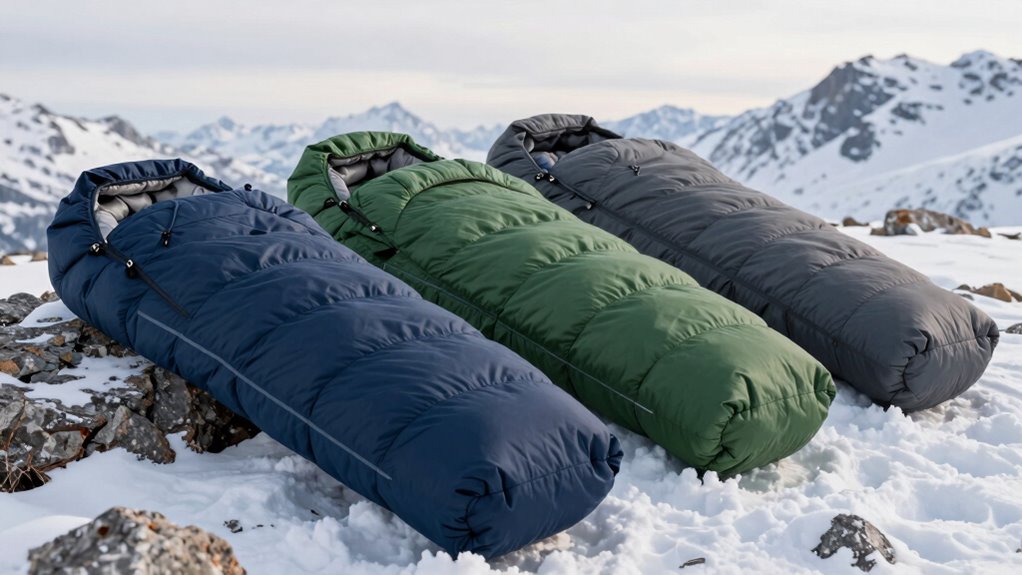

Choosing the right expedition sleeping bag for 20°F conditions can make or break your outdoor experience. For 2026, I’ve narrowed down five standout options, each suited to different needs and budgets. The Kelty Cosmic 20 stands out for its eco-friendly design and reliable three-season warmth. The Teton LEEF offers ultralight convenience for backpackers who prioritize weight and packability. Meanwhile, the Sierra Designs Cloud 20 provides impressive warmth with high-end fill for damp conditions, and the Kelty Tru.Comfort Doublewide is perfect for couples or families needing extra space. Lastly, the Teton Celsius offers all-weather versatility with a focus on comfort and durability. Each choice involves tradeoffs, whether it’s weight, size, or price, so understanding your priorities is key.

Get garden gear delivered free with Prime
- Fast, free delivery on millions of items
- Prime Video, Amazon Music and more included
- Member-only deals all year
Complete the kit


Key Takeaways
- The Kelty Cosmic 20 excels in eco-friendly materials and three-season warmth but is slightly heavier than ultralight options.
- Teton LEEF is ideal for lightweight backpacking but limited in temperature options and size for taller users.
- Sierra Designs Cloud 20 offers high-end insulation suited for damp conditions but is bulkier and has height restrictions.
- Kelty Tru.Comfort Doublewide provides ample space and adjustable features, making it best for couples or families.
- Choosing the best sleeping bag depends on balancing weight, warmth, size, and budget for your specific expedition needs.


| expedition sleeping bag 20 degree premium | Temperature Rating | Weight | Material |
|---|---|---|---|
| Kelty Cosmic 20 Down Mummy Sle | 20°F | 2 lbs. 6 oz. | — |
| Teton LEEF Lightweight Mummy S | — | Ultralight | Polyester |
| Teton Celsius Regular Sleeping | — | — | Poly-flannel lining |
| Sierra Designs Cloud 20 Degree | 28°F | 2.1 pounds | — |
| Kelty Tru.Comfort Doublewide 2 | 20 Degrees | — | 100% Polyester |
More Details on Our Top Picks
Kelty Cosmic 20 Down Mummy Sleeping Bag for Backpacking, Campers, 550 Fill Power, Recycled Fabrics with PFAS-Free DWR, Designed in Colorado
The Kelty Cosmic 20 makes a compelling case as the best overall pick for those who value sustainability alongside reliable warmth. It utilizes 550-fill down, offering excellent compressibility and weight savings for three-season backpacking. Compared with heavier synthetic bags, this model is easier to pack and carry on long trips. However, its temperature limit of 20°F might leave some colder sleepers wanting more insulation in extreme cold. Its eco-friendly fabrics and PFAS-free DWR make it a standout for environmentally conscious adventurers, but the slight weight increase over ultralight models is a tradeoff.
Pros:- Lightweight and highly compressible
- Made with recycled and eco-friendly materials
- Effective insulation for three-season use
- Thoughtful design features like draft tube and stash pocket
Cons:- Limited to 20°F, not suitable for extreme cold
- Slightly heavier than ultralight models
- Price may be higher due to eco-materials
Best for: Backpackers seeking eco-friendly, lightweight warmth for three-season trips
Not ideal for: Cold-weather winter camping or taller individuals needing more room
- Fill Power:550
- Temperature Rating:20°F
- Extreme Temperature:-11°F
- Weight:2 lbs. 6 oz.
- Stuffed Size:13 x 7 inches
- Fabrics:Recycled nylon and polyester taffeta
Our verdict“This bag balances eco-conscious design with reliable three-season warmth, making it ideal for backpackers who prioritize sustainability.”
Teton LEEF Lightweight Mummy Sleeping Bag for Camping, Hiking, Backpacking
This Teton LEEF stands out for its ultralight construction, making it perfect for those who prioritize minimizing pack weight. Its multiple temperature options—0°F, 20°F, and 30°F—offer flexibility across different seasons, but the 20°F rating aligns with the expedition’s needs. Its mummy shape and compression sack make it easy to pack, yet its limited size might not accommodate taller or broader users comfortably. Compared to bulkier sleeping bags, its slim profile is a clear advantage for fast-moving hikers but could compromise comfort for those who like extra room.
Pros:- Ultralight and compact
- Multiple temperature options for versatility
- Roomier mummy design for ease of movement
Cons:- Limited to specific temperature ratings
- No detailed weight info for comparison
- Design may not suit those who prefer rectangular bags
Best for: Lightweight hikers and backpackers seeking a versatile 20°F bag
Not ideal for: Those needing extra space or very tall individuals
- Material:Polyester
- Temperature Ratings:0°F, 20°F, 30°F
- Design:Mummy
- Included:Compression sack
- Weight:Ultralight
Our verdict“Ideal for lightweight explorers who want a packable, versatile 20°F bag, though it’s less suitable for taller or broader users.”
Teton Celsius Regular Sleeping Bag – 25F, 20F, 0F for All Weather Camping – Includes Travel Sack
The Teton Celsius offers a solid balance of warmth and comfort, capable of handling 20°F reliably thanks to its fiber fill and double-layer construction. Its soft poly-flannel lining enhances sleep comfort, making it appealing for those who prioritize a cozy experience. While it’s rated for 20°F, its bulkier design might be less appealing for backpackers needing ultralight gear. Its easy packing features and inclusion of a travel sack make it suitable for car camping or car-based expeditions where space isn’t as tight.
Pros:- Warm and comfortable in cold weather
- Easy to pack with durable sack
- Soft lining adds comfort
Cons:- Bulkier when compressed
- May require additional insulation in very cold conditions
- Limited detailed specs in description
Best for: Campers seeking reliable all-weather warmth with extra comfort
Not ideal for: Ultralight backpackers or those needing minimal pack size
- Temperature Ratings:25F, 20F, 0F
- Material:Poly-flannel lining
- Features:Double-layer construction, draft tubes, half-circle mummy hood
- Includes:Travel sack
Our verdict“This bag is a strong choice for campers wanting plush comfort and reliable warmth, especially in damp or variable weather.”
Sierra Designs Cloud 20 Degree DriDown Sleeping Bag
The Sierra Designs Cloud 20 is designed for backpackers facing variable conditions, with 800 fill power DriDown that resists moisture and retains loft even in damp environments. Its lightweight mummy shape and anti-snag zipper make it suitable for three-season use, but its maximum recommended height of 56 inches limits taller users. This model shines in wet conditions where down insulation can dry quickly and maintain warmth, yet its slightly higher price reflects its premium insulation quality.
Pros:- High-quality 800 fill power DriDown
- Excellent performance in damp conditions
- Lightweight and suitable for backpacking
Cons:- Limited to 3-season use
- Height restriction for taller users
- No extra features like internal pockets
Best for: Backpackers who encounter damp weather and need reliable insulation
Not ideal for: Tall users or those seeking a more spacious bag
- Occupancy:1 Person
- Seasons:3 Seasons
- Temperature Rating:28°F
- Fill Material:Down
- Shape:Mummy
- Weight:2.1 pounds
Our verdict“This bag excels in wet conditions, combining high-end down with moisture resistance, though it’s less suited for taller individuals or extended winter use.”
Kelty Tru.Comfort Doublewide 20 Degree Sleeping Bag – Two Person Synthetic Camping Sleeping Bag
The Kelty Tru.Comfort Doublewide is designed for shared comfort, offering generous dimensions and synthetic insulation that dries quickly and maintains warmth. Its features like a removable top layer and adjustable ventilation make it flexible for different conditions, but the large size means it’s less practical for solo backpackers or those seeking ultra-light gear. This model fits best in car camping or backyard setups, where space and comfort are priorities over pack weight.
Pros:- Spacious and comfortable for two
- Adjustable ventilation and removable top layer
- Good insulation and quick-drying synthetic fill
- Suitable for three-season camping
Cons:- Too bulky for solo backpacking
- Potentially heavy and large to carry
- May feel oversized for solo use
Best for: Couples, families, or car campers who want spacious comfort
Not ideal for: Solo hikers or those aiming for ultralight gear
- Material:100% Polyester
- Insulation:Cloud Loft Synthetic
- Temperature Rating:20 Degrees
- Dimensions:84″L x 64″W
- Features:Removable top layer, two built-in blankets, two-way zip foot vents, oversized hood
Our verdict“This doublewide is perfect for those who prioritize space and comfort over weight, especially for campgrounds or family outings.”

How We Picked
Our selection process focused on key factors vital to outdoor enthusiasts seeking reliable 20°F expedition sleeping bags. First, I evaluated insulation quality and temperature ratings to ensure each bag could handle three-season conditions comfortably. Weight and packability were prioritized for backpackers, while size and comfort mattered for car campers or family trips. Durability, eco-friendly materials, and added features like draft collars or adjustable ventilation were also considered. Finally, I balanced these attributes against price and user versatility to present options tailored to different buyer needs.
Factors to Consider When Choosing Expedition Sleeping Bag 20 Degree Premium
Selecting the right expedition sleeping bag for 20°F involves balancing insulation, weight, size, and intended use. Whether you’re backpacking, camping with family, or tackling damp conditions, understanding the key features helps ensure you choose a bag that keeps you warm without adding unnecessary weight or bulk. The following sections focus on what to consider for different outdoor needs, helping you find a model that matches your adventure style.
Insulation Type and Temperature Ratings
Insulation quality and type directly influence warmth, weight, and moisture resistance. Down insulation, especially high fill power like 800 fill DriDown, offers superior warmth-to-weight ratios and compressibility, ideal for lightweight backpacking. Synthetic fills, like Cloud Loft, excel in damp conditions and are generally more affordable, though they tend to be bulkier and heavier. For expedition use at 20°F, prioritize bags with at least 550 fill down or equivalent synthetic insulation designed for three-season durability.
Weight and Packability
If weight and space are critical, ultralight bags like the Teton LEEF are preferred, but they often sacrifice a bit of warmth or durability. For longer hikes or backpacking trips, a lightweight, compressible bag can make a significant difference. Conversely, for car camping or family trips, size and comfort take precedence over weight, making larger, more cushioned models suitable.
Design and Features
Features like draft collars, draft tubes, and hoods help retain heat, especially in colder temperatures. Mummy shapes minimize dead space and maximize warmth, whereas rectangular or double-wide designs provide more comfort but add weight and bulk. Additional features such as internal pockets, adjustable ventilation, and durable zippers can also enhance usability based on your specific needs.
Durability and Materials
Eco-friendly fabrics and water-repellent finishes are increasingly common and can prolong the lifespan of your sleeping bag. For expedition use, look for durable shell materials and water-resistant treatments—especially if you expect damp or variable weather. Synthetic options tend to handle moisture better, but high-quality down with water resistance offers a lighter, more compact solution.
Frequently Asked Questions
Is down insulation better than synthetic for 20°F conditions?
Down insulation typically provides better warmth for its weight and compressibility, making it an excellent choice for backpackers aiming to minimize pack size. However, down is less effective when damp or wet unless treated with water-resistant coatings like DriDown. Synthetic fills retain their insulating properties even when wet and are usually more affordable, but tend to be bulkier and heavier. For expedition conditions at 20°F where dryness and packability matter, high-quality down with moisture resistance often offers the best compromise.
Should I choose a mummy shape or rectangular sleeping bag?
A mummy-shaped bag is designed primarily for warmth, reducing dead space and trapping heat efficiently, making it ideal for cold temperatures like 20°F. Rectangular or semi-rectangular bags provide more room and comfort but are less efficient at heat retention. If space and comfort are your priorities, and you’re not expecting extreme cold, a rectangular model might suit you better. For true expedition use at 20°F, a mummy shape generally offers superior thermal performance.
How important are additional features like draft collars and hoods?
Features such as draft collars, draft tubes, and hoods can significantly improve warmth retention, especially in colder conditions. Draft collars prevent heat from escaping around the neck area, while hoods trap warm air around your head. For expeditions where temperatures hover around 20°F, these features can provide extra insulation and comfort, making a noticeable difference in how warm you stay throughout the night.
Is a 20°F sleeping bag suitable for winter camping?
A 20°F sleeping bag can handle most winter camping conditions, especially if used with appropriate layering or a sleeping pad for added insulation. However, in extremely cold or windy environments, you might need a bag rated for lower temperatures or additional insulation layers. Always consider your local climate and personal cold tolerance when selecting a sleeping bag for winter use.
How do I care for my expedition sleeping bag to maximize its lifespan?
Proper care involves storing your sleeping bag in a loose, breathable sack rather than a compressed stuff sack to maintain loft. Regularly clean it according to manufacturer instructions, typically with gentle washing and thorough drying. Avoid exposing the bag to direct sunlight for extended periods, and repair any tears promptly. Caring for your bag properly ensures it retains insulation and durability for many outdoor adventures.
Conclusion
For backpackers and outdoor enthusiasts prioritizing lightweight, eco-friendly gear, the Kelty Cosmic 20 is a clear winner. Those seeking maximum portability and versatility will appreciate the Teton LEEF for its ultralight design. If comfort and damp-weather performance are your focus, the Sierra Designs Cloud 20 offers high-end insulation with moisture resistance. For couples or families, the Kelty Tru.Comfort Doublewide provides spacious comfort at the expense of weight and packability. Ultimately, your choice depends on your activity type, climate, and packing preferences—each of these options brings a unique strength to meet different expedition needs.
Fall Picks
fall essentials
As an affiliate, we earn on qualifying purchases.