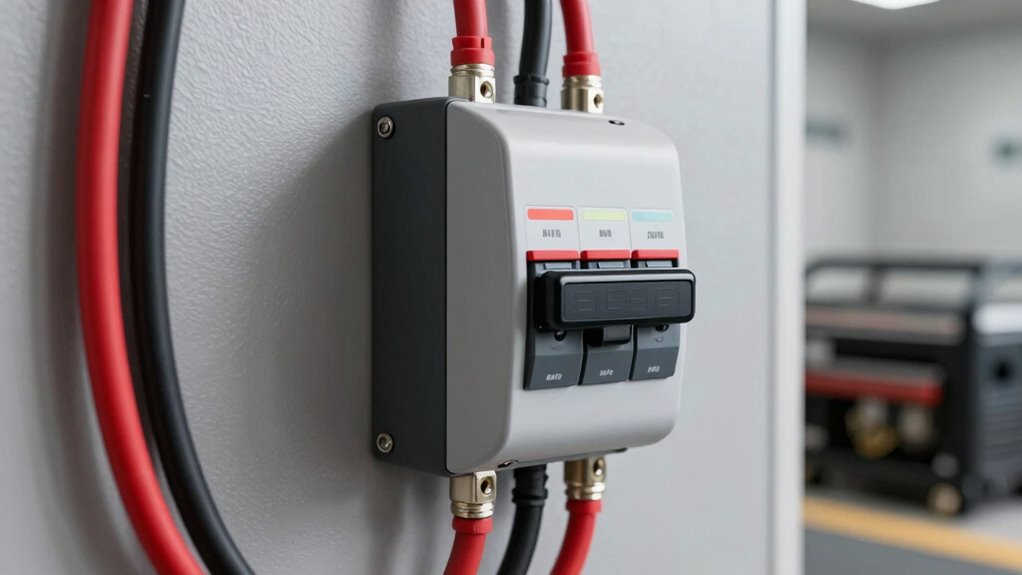

A transfer switch is crucial for safely connecting your generator to your home’s electrical system during outages. It acts as a secure link, switching power from your utility to your backup source without backfeeding, which prevents hazards for utility workers and damage to your system. Proper installation and regular maintenance are key to reliable operation and safety. To learn more about how transfer switches keep your power supply safe and dependable, keep exploring the essential details.

Get garden gear delivered free with Prime
- Fast, free delivery on millions of items
- Prime Video, Amazon Music and more included
- Member-only deals all year
Key Takeaways
- Transfer switches ensure safe, seamless power transfer from generator to electrical system, preventing backfeeding hazards.
- Proper installation by qualified electricians and adherence to safety standards is essential for safe operation.
- Regular maintenance and testing of the generator and transfer switch ensure reliable backup power during outages.
- Following manufacturer instructions and safety practices reduces the risk of electrical shocks and damage.
- Proper grounding and environmental protection enhance system safety and longevity.
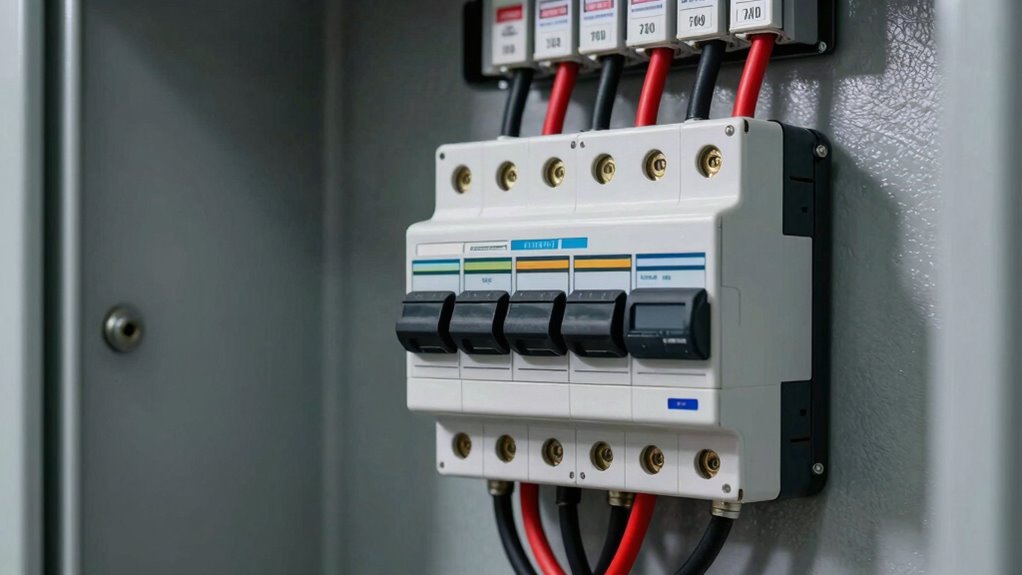
A transfer switch is an essential device that guarantees your generator can safely power your home or business during an outage. It acts as the fundamental link between your generator and your electrical system, facilitating a smooth and safe shift of power. Without a transfer switch, you risk backfeeding electricity into the grid, which can be dangerous for utility workers and damaging to your equipment. When installing a transfer switch, safety is paramount. Proper installation safety practices involve following manufacturer instructions, turning off main power before connecting, and ensuring all connections are secure. This reduces the risk of electrical shocks and short circuits, protecting both you and your property. Additionally, understanding electrical safety practices is crucial to prevent hazards during installation and operation. Regular generator maintenance is also fundamental to keep your backup power system reliable. A well-maintained generator reduces the risk of failure when you need it most. Maintenance tasks include checking and changing oil, inspecting filters, and testing the system periodically. A properly maintained generator paired with a transfer switch ensures your power supply remains consistent and dependable during outages. It’s wise to schedule routine checks, especially before storm seasons or prolonged outages, to identify any issues before they become critical. Proper maintenance extends your generator’s lifespan and guarantees it will perform effectively when needed. When it comes to installation, safety can’t be overstated. Hiring a qualified electrician for installation ensures the transfer switch is correctly wired and complies with local electrical codes. A professional knows how to integrate the transfer switch seamlessly into your existing electrical system, minimizing risks of faults or hazards. Installation safety also involves ensuring the switch is accessible but protected from environmental elements like rain or snow. Proper grounding and adherence to safety standards reduce the chances of electrical fires or shocks. Conducting a thorough system assessment before installation can help identify potential risks and ensure the setup is optimal. Recognizing the importance of professional installation can prevent costly mistakes and ensure compliance with safety regulations. Moreover, understanding the importance of proper grounding can further enhance safety and system reliability. Remember, a DIY approach might save some money upfront, but it can lead to costly mistakes or dangerous situations later. Investing in a professional installation guarantees peace of mind that your transfer switch functions correctly and safely.
As an affiliate, we earn on qualifying purchases.
Frequently Asked Questions
How Much Does a Transfer Switch Typically Cost?
A transfer switch typically costs between $300 and $1,500, depending on its size and features. When considering electrical safety, investing in a quality transfer switch is essential to prevent hazards during power outages. Cost considerations should include installation, which might add to the overall expense. Keep in mind that a reliable transfer switch guarantees safe, seamless power transfer, protecting your home and loved ones.
Can I Install a Transfer Switch Myself?
In the domain of home safety, you can attempt a DIY installation of a transfer switch, but it’s not recommended unless you’re a qualified electrician. You need to follow strict safety precautions, including turning off power and understanding wiring. While it might seem straightforward, improper installation risks electrical shock or fire. For your safety and peace of mind, it’s best to hire a licensed professional to handle the task.
What Maintenance Is Required for a Transfer Switch?
You should perform regular maintenance on your transfer switch to guarantee electrical safety and reliable operation. Check for loose connections, corrosion, and signs of wear at least once a year. Clean any dust or debris and test the switch periodically to confirm proper functioning. Following a maintenance schedule helps prevent electrical hazards, prolongs the switch’s lifespan, and guarantees your backup power system works safely when needed.
How Long Does It Take to Install a Transfer Switch?
Installing a transfer switch typically takes about 4 to 8 hours, depending on your home’s setup and the complexity involved. Think of it like assembling a complex puzzle—you need to fit the pieces carefully. During installation, safety considerations are key; a professional ensures everything’s wired correctly and safely. Rushing can be dangerous, so allocate enough time and trust experienced electricians to complete the installation properly and efficiently.
Are Transfer Switches Compatible With All Generator Types?
Transfer switches aren’t compatible with all generator types. You need to check generator compatibility and guarantee proper power source integration for safe and efficient operation. Some transfer switches work only with specific generators, especially those with certain power ratings or connection types. Always verify compatibility before installation to prevent electrical issues or damage. Consulting a professional helps you select the right transfer switch for your generator, ensuring seamless backup power during outages.
home backup power transfer switch
As an affiliate, we earn on qualifying purchases.
As an affiliate, we earn on qualifying purchases.
Conclusion
A transfer switch acts like a reliable bridge, guiding your power safely from the grid to your backup source without crossing wires or risking a shock. It’s your safeguard, ensuring your home’s heartbeat continues steady and strong during outages. Think of it as a trusted captain steering your household through a storm, keeping everything connected and secure. With a transfer switch, you’re not just prepared—you’re confidently steering through the dark, knowing safe power is always within reach.
automatic transfer switch for generator
As an affiliate, we earn on qualifying purchases.
As an affiliate, we earn on qualifying purchases.
Halloween Picks
halloween
As an affiliate, we earn on qualifying purchases.