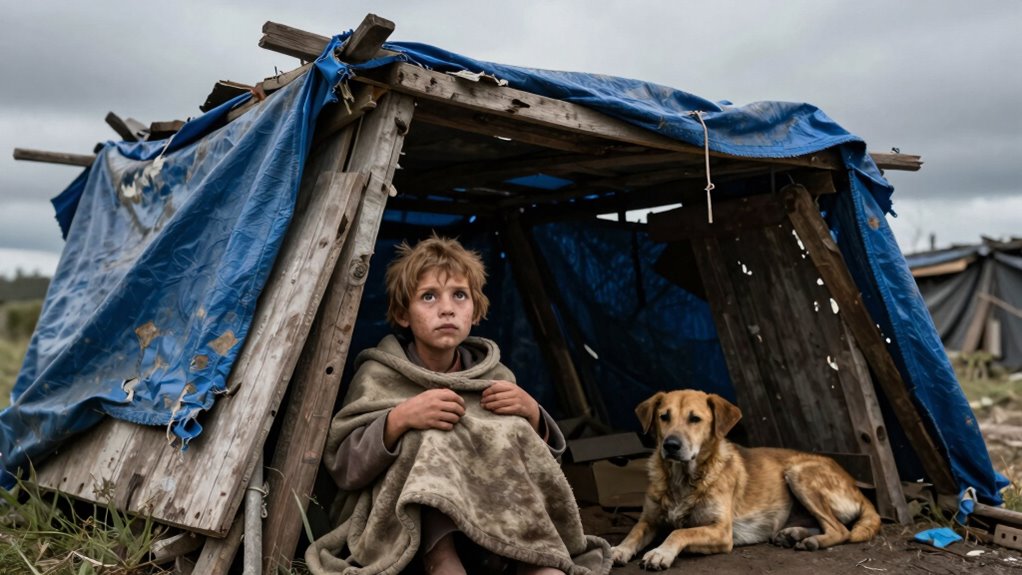

Your safety depends on shelter because exposure to harsh elements can be deadlier than hunger. Shelter provides protection from cold, heat, wind, and rain, helping you avoid illnesses, hypothermia, and injuries. It acts as the first line of defense during crises, ensuring you stay secure and stable. Since exposure can cause immediate harm, having reliable shelter is essential for survival. Want to discover more about how shelter’s protection makes all the difference?

Get garden gear delivered free — and shop member deals
- Fast, free delivery on millions of items
- Access to Prime Big Deal Days deals on October 6–7
- Prime Video, Amazon Music and more included
Key Takeaways
- Shelter provides critical protection from elements, reducing health risks and exposure-related injuries during emergencies.
- Exposure to harsh conditions can cause more immediate harm than hunger, emphasizing the importance of safe shelter.
- Shelter acts as a first line of defense, ensuring safety and stability when disaster strikes.
- Adequate shelter enables communities to recover faster, highlighting its role over merely addressing hunger.
- Protecting against exposure is essential for overall survival, often more urgent than food security in crises.
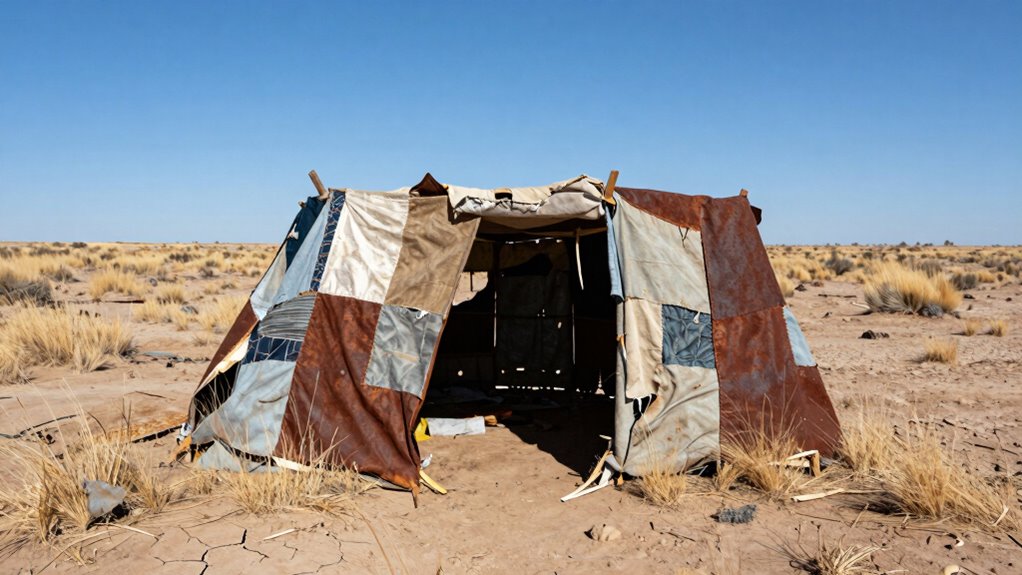
Have you ever wondered why shelter is so essential to our well-being? It’s because shelter provides more than just a roof over your head; it’s the foundation of your safety, health, and stability. In times of crisis, shelter becomes even more crucial. When you think about urban resilience, you realize that cities designed with strong shelter options are better equipped to withstand disasters. Properly planned shelters allow communities to bounce back faster after earthquakes, floods, or other emergencies. They serve as critical hubs for emergency preparedness, giving you a secure place to go when chaos strikes. Without adequate shelter, your vulnerability increases—not only to weather and environmental threats but also to social and economic instability. That’s why resilience isn’t just about infrastructure; it’s about ensuring everyone has access to safe, reliable shelter when they need it most.
In emergency situations, exposure can be deadly, even more so than hunger. You might have enough food, but without shelter, your risk of illness, hypothermia, or injury skyrockets. Shelter shields you from the elements—cold, heat, wind, rain—and prevents the immediate health threats that exposure brings. It’s a buffer that keeps your body temperature stable and reduces the chances of infections or other health complications. When disaster strikes, your first priority should be securing a safe shelter, because it’s your best defense against the unpredictable. It’s not just about survival; it’s about maintaining your dignity and sanity in stressful times. Proper emergency preparedness means knowing how to find or create shelter swiftly, whether it’s a sturdy building, a tent, or a makeshift refuge. Being prepared isn’t just about storing supplies; it’s about understanding the importance of shelter and planning your response accordingly. Recognizing the significance of urban resilience can help communities develop better planning and infrastructure to protect their residents during crises. Additionally, resilient shelters can incorporate eco-friendly and adaptable solutions that enhance sustainability and community well-being.
You might think that hunger is your biggest concern, but the reality is that exposure can kill faster. Shelter acts as your shield against the harsh realities of the world, especially during emergencies. When you’re protected, you can focus on recovery and rebuilding instead of fighting off the elements or illness. Urban resilience depends heavily on well-planned shelter options that can adapt to crises, providing safety and stability to residents. Strong emergency preparedness involves knowing how to access and maintain shelter, reinforcing community networks, and ensuring that vulnerable populations aren’t left exposed. It’s important to understand that biodiversity and sustainable practices can also enhance the resilience of shelter structures by promoting eco-friendly and adaptable solutions. Incorporating community involvement into shelter planning can further improve resilience, as local input ensures that structures meet actual needs and are better maintained over time. Ultimately, shelter isn’t just a physical structure—it’s a crucial component of resilience and survival. When it’s available and reliable, it helps you withstand shocks and emerge stronger, proving that exposure truly beats hunger every time.
As an affiliate, we earn on qualifying purchases.
Frequently Asked Questions
How Does Shelter Influence Mental Health During Crises?
Shelter greatly influences your mental health during crises by providing a sense of security, which boosts psychological resilience. When you have a stable shelter, you feel more in control, reducing anxiety and fear. It also fosters community cohesion, helping you connect with others facing similar challenges. This sense of belonging and safety enables you to better cope, recover, and maintain mental well-being amid adversity.
What Materials Are Most Effective for Emergency Shelter?
You should use lightweight, durable materials like insulated panels or tarp-covered portable structures for emergency shelters. Insulation materials like foam or reflective blankets keep heat in, ensuring warmth during cold conditions. Portable structures such as collapsible tents or modular units are quick to set up and provide reliable protection. Combining these materials gives you a shelter that’s both easy to deploy and effective at maintaining a safe, comfortable environment during crises.
How Quickly Can a Shelter Be Assembled in Disaster Zones?
Think of building a shelter like planting a seed—you want quick growth. With temporary structures designed for rapid deployment, you can assemble a shelter in disaster zones within minutes to a few hours. These structures are engineered for swift setup, allowing you to provide immediate protection. Your goal is to act fast, turning chaos into safety, much like nurturing a sprout into a sturdy tree amid stormy weather.
What Are the Environmental Impacts of Different Shelter Types?
You should consider the environmental impacts of shelter types by focusing on sustainable building practices and eco-friendly materials. Some shelters, like those made from recycled or natural materials, minimize ecological footprints and promote longevity. Conversely, shelters using non-renewable resources or energy-intensive construction methods can harm ecosystems. Opting for environmentally conscious designs reduces pollution, conserves resources, and supports a healthier planet while providing safe, durable shelter.
How Does Shelter Design Affect Long-Term Recovery?
Shelter design influences long-term recovery like a sturdy foundation supports a building. You can boost climate resilience by choosing materials and layouts that withstand extreme weather. Considering cultural aspects guarantees communities feel connected and comfortable, fostering quicker adaptation. Thoughtful design minimizes future vulnerabilities, accelerates recovery, and promotes stability. When you prioritize these elements, your shelter becomes more than just a roof—it’s an essential step toward resilient, sustainable rebuilding.
As an affiliate, we earn on qualifying purchases.
Conclusion
Remember, providing shelter is often more critical than food in survival scenarios. Studies show that exposure causes more deaths than starvation, with over 80% of hypothermia-related fatalities linked to inadequate shelter. By prioritizing protection from the elements, you dramatically increase your chances of staying alive. So, always seek or create shelter first—it’s your best defense against the harshest conditions. Shelter isn’t just comfort; it’s your lifeline when every second counts.
As an affiliate, we earn on qualifying purchases.
As an affiliate, we earn on qualifying purchases.
Fall Picks
fall essentials
As an affiliate, we earn on qualifying purchases.