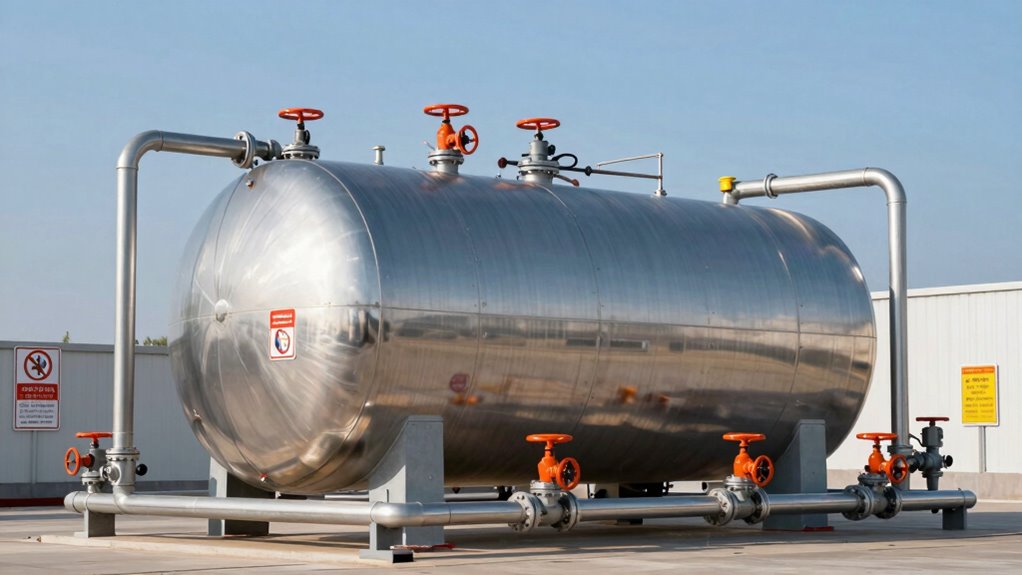
To guarantee your fuel stays stable, store it in a cool, dry, well-ventilated area and use stabilization additives to prevent degradation. Follow safety guidelines by choosing proper tanks, preventing leaks, and using containment measures. Regular inspections for corrosion or contamination help keep the system safe and reliable. Keep track of fuel age for rotation, using older fuel first to avoid spoilage. Continue exploring to discover more ways to optimize your fuel management.

Get garden gear delivered free — and shop member deals
- Fast, free delivery on millions of items
- Access to Prime Big Deal Days deals on October 6–7
- Prime Video, Amazon Music and more included
Key Takeaways
- Use compatible, corrosion-resistant tanks with proper ventilation and containment to ensure safety and prevent leaks.
- Store fuel in cool, dry environments and control temperature to maintain fuel stability.
- Regularly inspect storage systems for leaks, corrosion, and contamination, and perform timely maintenance.
- Implement fuel rotation by using older fuel first to prevent spoilage and maintain quality.
- Follow safety regulations and best practices to protect people, property, and the environment.
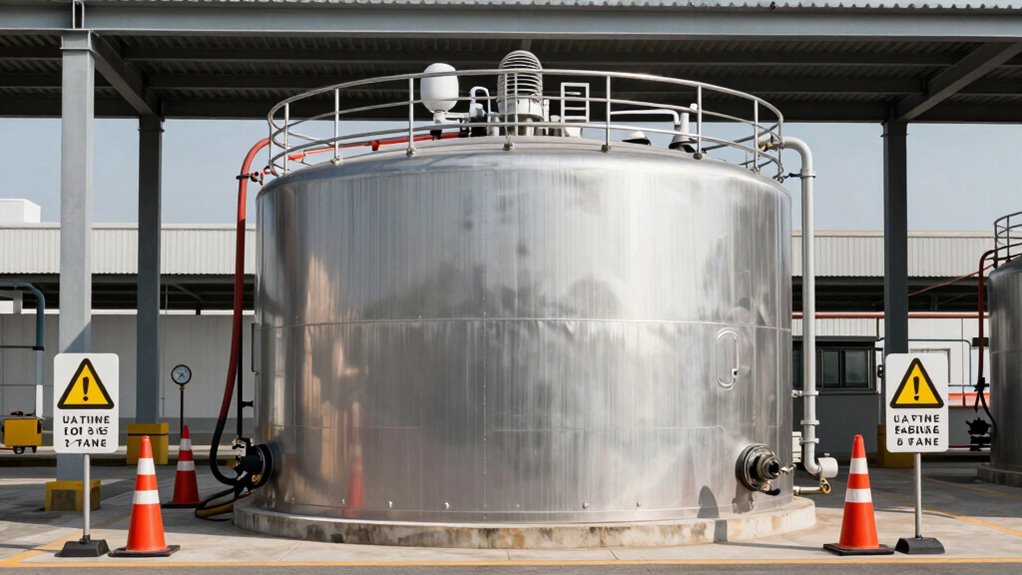
Have you ever wondered what it takes to store fuel safely and efficiently? Proper storage involves more than just keeping fuel in a tank; it’s about maintaining its quality, adhering to storage regulations, and guaranteeing safety. Fuel quality can degrade over time due to exposure to moisture, temperature fluctuations, and contamination. If the fuel isn’t stored correctly, it can become less effective or even unusable, leading to costly replacements or engine damage. That’s why understanding how to preserve fuel’s integrity is essential. Storage regulations set the baseline standards for safe handling and storage practices. They specify how tanks should be constructed, where they should be located, and how to prevent leaks or spills. Following these regulations isn’t just about compliance — it’s about protecting people, property, and the environment from the hazards of fuel mishandling. When you’re setting up a storage system, you need to consider the right type of tank, ventilation, and containment measures. Tanks should be made from materials compatible with the type of fuel you’re storing and designed to prevent leaks. Proper ventilation reduces the risk of vapors building up, which could lead to fire or explosion. Containment systems, like dikes or secondary containment basins, are critical for capturing leaks or spills before they escape into the environment. Regular inspections and maintenance are vital to guarantee that your storage system remains in good condition. Check for signs of corrosion, leaks, or contamination, and replace or repair damaged components immediately. Additionally, implementing fuel stabilization techniques can help minimize fuel degradation and extend storage life. Proper fuel additives can further enhance stability during long-term storage. Monitoring storage conditions closely allows you to respond quickly to any issues that could compromise fuel quality. Another crucial aspect is fuel stability, which involves controlling temperature and minimizing exposure to water and air, as these factors accelerate fuel degradation. Keeping fuel in a cool, dry place and using appropriate additives can extend its shelf life. Additionally, understanding storage regulations and implementing best practices can help prevent costly mistakes and safety hazards. Rotation is equally important: you should regularly use older fuel first and replace it with fresh supplies, preventing stagnation and spoilage. This practice helps maintain consistent fuel quality and reduces waste. Proper labeling and record-keeping can help you track fuel age and usage, making rotation easier. Overall, safe and effective fuel storage demands a thorough understanding of storage regulations, diligent maintenance, and proactive management of fuel quality. When you follow these principles, you guarantee that your fuel remains stable, safe to use, and environmentally responsible. In the end, a well-maintained storage system isn’t just about compliance; it’s about safeguarding your operations, your people, and the planet.
As an affiliate, we earn on qualifying purchases.
Frequently Asked Questions
How Long Can Fuel Be Safely Stored Without Degradation?
You can typically store fuel safely for about six to twelve months, but this depends on storage techniques and fuel type. To prolong fuel shelf life, keep it in a sealed, airtight container, stored in a cool, dark place, away from direct sunlight and heat sources. Regularly check for signs of degradation, such as changes in color or smell. Proper storage techniques help prevent fuel breakdown and maintain its effectiveness longer.
What Are the Best Emergency Procedures for Fuel Spills?
In a fuel spill emergency, you should act quickly by initiating emergency response protocols and prioritizing spill containment. Use absorbent materials or booms to control the spread, and guarantee proper ventilation. Evacuate the area if necessary, and notify the appropriate authorities. Never attempt to clean up large spills alone; always follow safety guidelines to prevent fire hazards or environmental damage. Your swift, careful response minimizes risks effectively.
How Do Temperature Fluctuations Affect Fuel Stability?
Temperature fluctuations can considerably impact fuel stability. As temperature cycles occur, they cause fuel to expand and contract, potentially leading to vapor formation and pressure buildup. You should use proper storage insulation to minimize these effects, maintaining a more consistent environment. This helps prevent phase separation and degradation, ensuring your fuel remains stable and safe over time. Regularly monitoring temperature and adjusting insulation as needed keeps your fuel in ideal condition.
Are There Legal Restrictions on Fuel Storage Quantities?
You should know that legal limits and storage regulations guide how much fuel you can safely store. Authorities set these rules to guarantee safety and prevent potential hazards. Generally, exceeding storage regulations can lead to penalties or safety issues. Check your local laws to understand specific restrictions, as they vary by region. Staying within legal limits helps protect you and others while keeping your fuel storage compliant and secure.
What Are the Signs of Fuel Contamination?
You’ll notice signs of fuel contamination through water droplets, sediment, or a foul smell in your fuel. Contamination sources like dirt, rust, or bacteria can cause these issues. To spot problems early, perform regular fuel filtration checks and look for cloudiness or phase separation. If you see these signs, drain and clean your storage tanks immediately to prevent engine damage and guarantee fuel quality.
As an affiliate, we earn on qualifying purchases.
Conclusion
Now that you understand the importance of stability, safety, and rotation in fuel storage, you’re better equipped to manage your supplies effectively. Remember, a small mistake can lead to big risks—like how nearly 1,000 fuel storage tanks have experienced leaks worldwide each year. By following proper procedures, you can prevent accidents and guarantee your fuel stays safe and ready whenever you need it. Stay vigilant and prioritize safety to protect yourself and your environment.
As an affiliate, we earn on qualifying purchases.
As an affiliate, we earn on qualifying purchases.
Fall yard work Picks
leaf blowers
As an affiliate, we earn on qualifying purchases.