The best emergency plans are intentionally simple and practical because complex strategies can cause confusion and panic. By focusing on straightforward steps, clear procedures, and reliable resources, you’re more likely to respond quickly and effectively. Routine drills and easy-to-understand actions make everyone prepared without unnecessary complications. Keeping your plan boring on purpose makes it easier to maintain and trust. If you want to know how to create such a reliable plan, there’s more to discover below.

Get garden gear delivered free with Prime
- Fast, free delivery on millions of items
- Prime Video, Amazon Music and more included
- Member-only deals all year
Key Takeaways
- Simple, reliable procedures reduce confusion and panic during emergencies.
- Boring plans focus on proven, easy-to-follow steps rather than complex tactics.
- Routine training and drills reinforce core actions, ensuring consistent responses.
- Clear, accessible resource management ensures readiness without unnecessary complexity.
- A predictable, straightforward plan is easier to maintain, update, and trust in crisis situations.
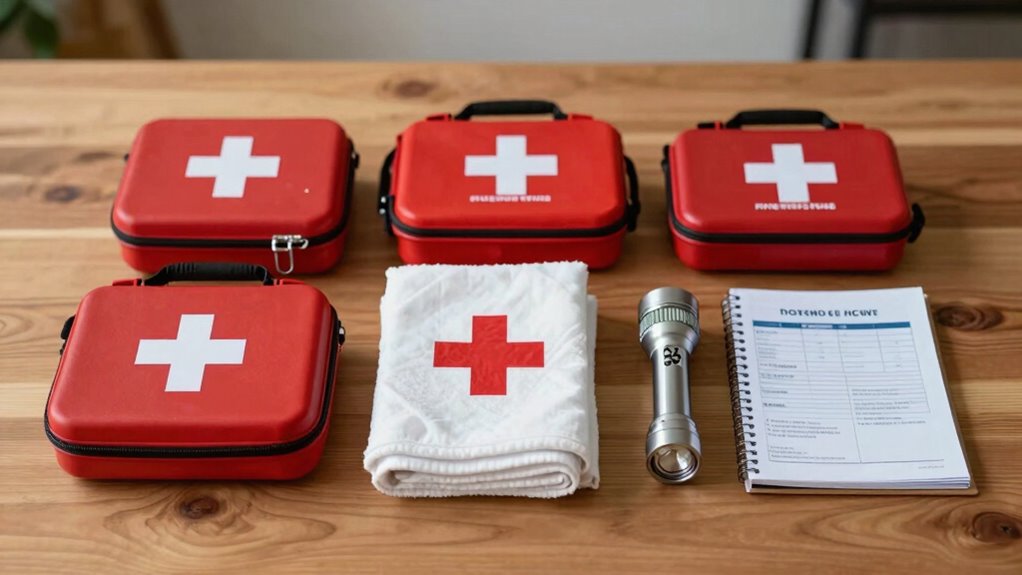
When it comes to emergency planning, the most effective strategies are often the simplest and least flashy. You don’t need complex setups or elaborate procedures to stay safe. Instead, focus on straightforward, practical steps that cover the basics and can be easily followed under stress. The core of a good emergency plan is knowing what risks you face and how to respond efficiently. This involves a clear risk assessment—an honest look at what emergencies are most likely to happen in your environment. Once you identify these risks, you can allocate your resources more effectively. It’s about prioritizing what matters most—whether that’s first aid supplies, communication devices, or evacuation routes—and making sure everyone knows how to access them quickly.
Focus on simple risk assessment and quick access to essentials for a reliable emergency plan.
A boring, no-frills plan relies on simplicity. You don’t want to introduce confusion or ambiguity when lives are on the line. Instead, keep your procedures clear and consistent. For example, instead of complex multi-step instructions, have a single, easy-to-remember action for each type of emergency. When everyone knows what to do without second-guessing, you reduce panic and increase the chances of a swift, coordinated response. This is especially important during a crisis when confusion can be deadly. Additionally, understanding the importance of resource management helps you maintain an effective plan over time. Regularly reviewing and practicing your plan ensures it remains effective and reliable. Incorporating basic emergency concepts into your routine can further strengthen your preparedness and response.
Resource allocation is a critical piece of this puzzle. You should make sure your supplies are stored in accessible, well-marked locations. Regularly check expiration dates and replenish stockpiles. Don’t overcomplicate your inventory—just ensure that essentials like water, non-perishable food, batteries, and first aid kits are available and ready to use. When your plan is intentionally boring, it’s easier to maintain and update. You won’t waste time on unnecessary procedures or gadgets that don’t add real value. Instead, you focus on what’s proven to work, making your emergency response reliable and repeatable. Additionally, understanding basic emergency preparedness concepts ensures your plan remains effective over time. Incorporating training and drills into your routine can significantly improve overall readiness and confidence during actual emergencies.
A boring plan also means training everyone to follow the same routine. Conduct simple drills that reinforce key actions, making them second nature. The goal isn’t to impress with fancy tactics but to ensure everyone understands their role and can act confidently. In the end, the best emergency plan isn’t flashy or complicated; it’s predictable, dependable, and easy to execute. When you keep things boring on purpose, you build a resilient safety net that works when it’s needed most.
Frequently Asked Questions
How Can I Make My Emergency Plan More Engaging?
To make your emergency plan more engaging, incorporate engagement strategies like interactive drills and role-playing scenarios. Use creative scenarios to challenge your team and keep them alert, making training more memorable. Add real-life stories or unexpected twists to your exercises, encouraging active participation. This approach not only boosts engagement but also guarantees everyone is better prepared, making your plan effective and less dull during vital moments.
What Are Common Mistakes in Emergency Planning?
You often overlook pitfalls like skipping thorough risk assessments or poor resource allocation, which can leave you unprepared. Avoid common mistakes by keeping your plan straightforward and realistic, focusing on essential details. Don’t underestimate the importance of updating your plan regularly or assuming everything will go smoothly. These small missteps can turn a manageable situation into chaos, so stay diligent and methodical in your emergency planning efforts.
How Often Should I Review My Emergency Plan?
You should review your emergency plan at least once a year, or whenever there’s a significant change in your risk assessment or resource allocation. Regular reviews ensure your plan stays current with new hazards, personnel, or resources. Testing and updating it helps you identify gaps and improve your response strategies, so you’re better prepared when an emergency occurs. Consistent reviews keep your plan practical, effective, and aligned with your evolving needs.
Who Should Be Responsible for Emergency Plan Updates?
You should assign responsibility for emergency plan updates to a designated team member, like your safety officer or manager. They’ll conduct regular risk assessments and evaluate resource allocation to identify vulnerabilities. By doing so, you guarantee the plan stays current and effective. This proactive approach helps you adapt to changing circumstances, maintain preparedness, and minimize risks during emergencies, making your plan reliable and easy to follow when it matters most.
How Do I Train Others on My Emergency Procedures?
Think of training your team as teaching a symphony to play in harmony. You should lead communication drills and scenario simulations, ensuring everyone knows their part. Use clear, straightforward instructions, and practice regularly to build confidence. Encourage questions and feedback, so your team understands their roles deeply. Consistent, realistic exercises turn emergency procedures into second nature, making their response smooth and effective when it truly counts.
Conclusion
Remember, the simplest, most boring emergency plans are often the most effective—because they’re easy to follow and less likely to cause confusion. Did you know that 70% of emergency plan failures happen because of complexity or lack of clarity? Keep your plan straightforward and routine, so you’re prepared without unnecessary stress. When disaster strikes, a boring, clear plan keeps you focused and ready—saving lives and reducing chaos when it matters most.
Evergreen bestsellers Picks
bestsellers
As an affiliate, we earn on qualifying purchases.