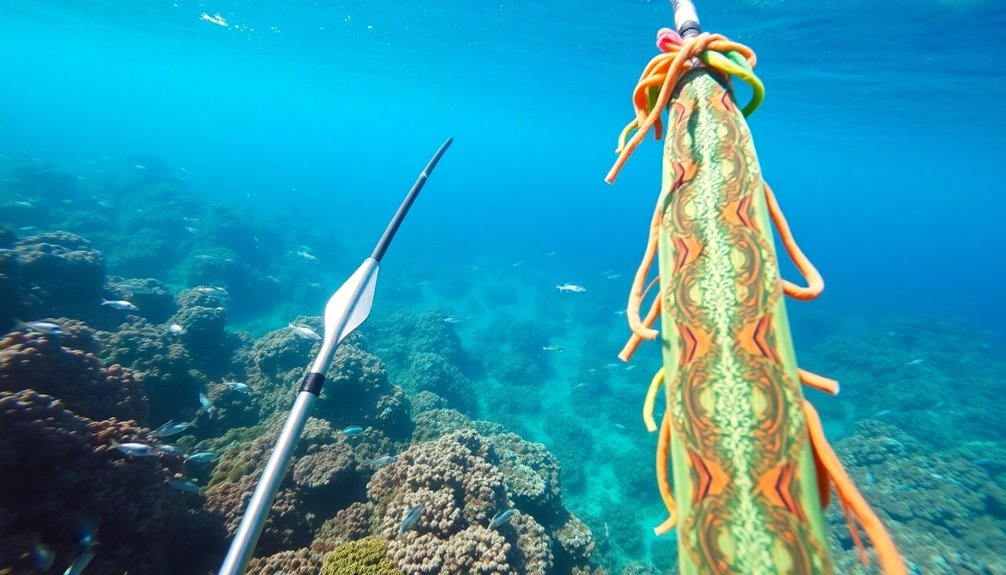
To fish legally, you need to follow rules about seasons, size limits, and area closures. Check local regulations to find out when specific species are open for fishing, and make sure your catch meets size requirements. Avoid closed zones to protect spawning grounds and endangered species. Always carry the necessary permits or licenses, and stay informed about updates. Want to learn more? There’s important details that can help you stay compliant and support sustainable fishing efforts.
Key Takeaways
- Compliance with fishing seasons prevents harm to fish during breeding periods and avoids legal penalties.
- Adhering to size limits ensures sustainable fish populations and prevents fines for catching undersized or oversized fish.
- Checking for area closures protects spawning grounds and endangered species, avoiding severe penalties.
- Carrying valid permits and licenses is mandatory to fish legally and avoid charges.
- Staying informed about current regulations and updates supports conservation efforts and legal compliance.
Understanding the legal considerations surrounding your actions is fundamental to avoid potential pitfalls and guarantee compliance. When you’re out fishing, it’s essential to familiarize yourself with fishing regulations to stay within the law. These regulations typically outline what you can and cannot do, covering aspects like seasons, size limits, and closed areas. Ignorance of these rules can lead to hefty fines, confiscation of your catch, or even criminal charges. That’s why obtaining the proper permits and licenses is a critical step before you cast your line. Permits and licenses aren’t just bureaucratic hoops; they serve to manage fish populations sustainably and ensure that everyone follows the same rules. Without them, you risk illegal fishing charges, which can ruin your day and carry serious legal consequences.
Understanding fishing laws helps you stay compliant and protect fish populations.
Before heading out, check the specific fishing regulations for your area. Regulations often specify fishing seasons—times of the year when certain species can be legally caught. Violating these seasons can harm fish populations during critical breeding periods, so authorities enforce these rules strictly. Additionally, size limits determine the minimum or maximum size of fish you’re allowed to keep. These limits protect juvenile fish and allow them to reach maturity and reproduce, contributing to healthy ecosystems. Catching undersized fish or exceeding bag limits can result in fines and the loss of your catch. It’s your responsibility to measure and identify your catch accurately, ensuring it meets legal standards.
There are also areas where fishing is temporarily or permanently closed to protect spawning grounds or endangered species. Ignoring closures can lead to severe penalties, and authorities monitor these zones closely. Always check for updates or notices before you go fishing, especially if new restrictions are in place. Failing to comply with closures not only risks legal trouble but also damages conservation efforts.
Your permits and licenses are often issued by state or federal agencies, and these documents verify that you’re authorized to fish within legal boundaries. Carry them with you whenever you’re fishing, as authorities may request to see proof of your compliance. Many regions now offer online renewal options or mobile apps to keep your permits current, making it easier to stay legal.
Frequently Asked Questions
Are There Exceptions for Emergency Closures During Legal Seasons?
Yes, there are some legal season exceptions that allow for emergency closures. If you face unforeseen circumstances like natural disasters, safety hazards, or urgent repairs, authorities may permit you to close outside the normal legal season. You should notify the relevant agencies promptly and provide documentation if required. These emergency closures help protect public safety and ensure you can respond quickly to unexpected events without violating regulations.
How Do Legal Size Limits Vary by Species and Region?
Did you know that size limits for fish can differ by up to 10 inches across regions? Legal size limits vary considerably by species and region due to regulatory discrepancies, impacting your fishing practices. For example, some regions set stricter limits to protect local populations, while others allow larger catches. Always check regional regulations before fishing to ensure you’re compliant and avoid penalties, as these rules aim to conserve fish stocks effectively.
Can Private Landowners Set Different Fishing Seasons?
Yes, private landowners can set different fishing seasons on their land, but only if they have the appropriate fishing rights. These rights give you control over when and how you fish on your property. However, you must still comply with local, state, or federal regulations, which may override private rules. Always check with authorities to guarantee your private land fishing seasons align with legal requirements and avoid penalties.
What Are Penalties for Fishing Outside Designated Seasons?
Did you know that nearly 30% of anglers face fines for fishing outside designated seasons? If you do, you could be fined or even lose your fishing license. Penalties often include fines, reporting requirements, and confiscation of fishing gear restrictions. To avoid trouble, always follow local regulations, report any violations, and respect seasonal boundaries. Staying informed helps you enjoy fishing legally and sustainably.
Are There Special Permits for Off-Season Fishing Activities?
Yes, you typically need a special permit for off-season fishing activities. These permits often require you to have a valid fishing license and comply with gear restrictions. You should check with local authorities since rules vary by location. Applying for the permit guarantees you’re following regulations and helps avoid fines. Always verify the specific requirements before heading out to fish during the off-season to stay compliant.
Conclusion
By staying informed about seasons, sizes, and closures, you’ll be ahead of the game and avoid any unexpected pitfalls. Remember, knowledge is power—knowing the rules helps you fish smart and avoid rocky waters. Keep up with local regulations, respect the boundaries, and you’ll be able to enjoy your time on the water without sailing into trouble. When you stay compliant, the only thing you’ll have to worry about is reeling in that big catch.