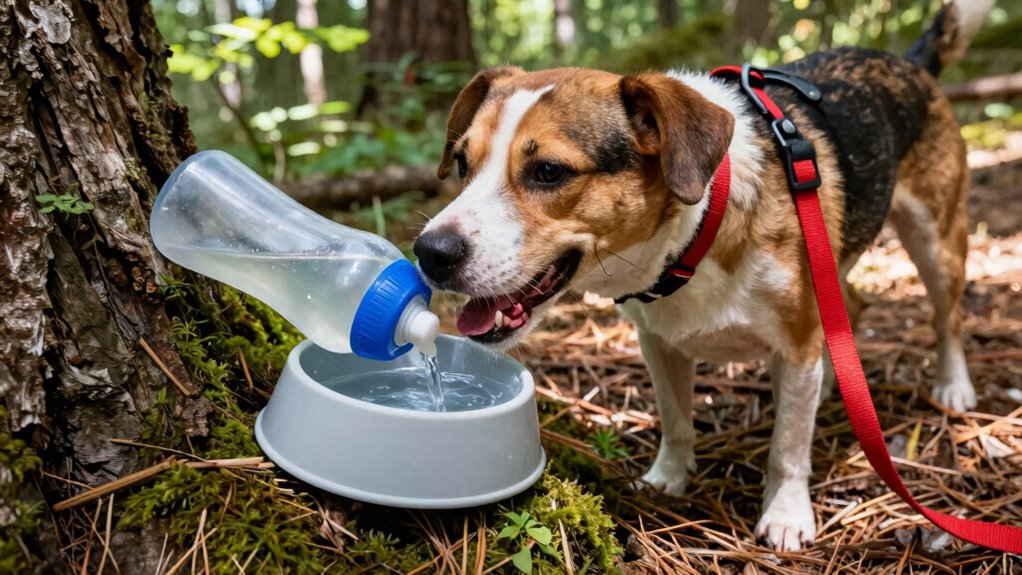

To keep your dog safe on trails, don’t assume they’ll drink enough water on their own or wait until they show signs of dehydration. Avoid relying solely on natural water sources, as they can harbor harmful bacteria and parasites. Be cautious not to overhydrate your dog with too much water at once, which can cause serious issues like hyponatremia. Proper hydration involves proactive measures, regular small water offers, and knowing what to watch for. Keep going to discover critical tips that can prevent trouble fast.

Get garden gear delivered free — and shop member deals
- Fast, free delivery on millions of items
- Access to Prime Big Deal Days deals on October 6–7
- Prime Video, Amazon Music and more included
Key Takeaways
- Relying solely on natural water sources without treatment risks exposure to harmful microorganisms.
- Waiting until signs of dehydration or heavy panting before offering water can lead to health emergencies.
- Assuming dogs will self-hydrate adequately during vigorous activity often results in dehydration.
- Not carrying enough clean water for the entire hike increases the danger of dehydration.
- Offering large amounts of water too quickly can cause overhydration and hyponatremia.
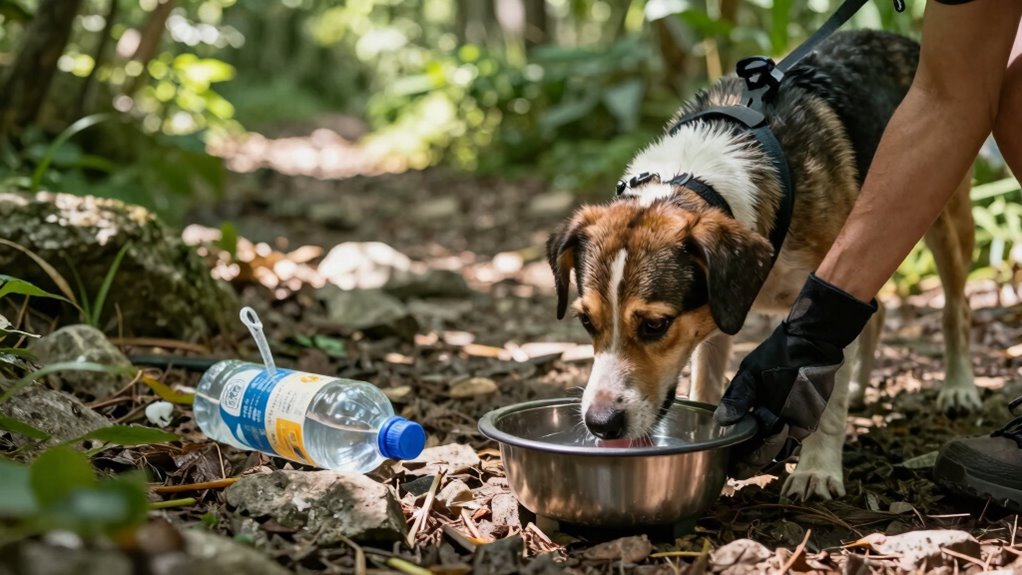
When hitting the trail with your dog, staying hydrated is essential for their health and safety. Many dog owners overlook the importance of proper hydration, but neglecting hydration safety can lead to serious health issues in your furry friend. Understanding canine water needs is crucial because dogs can become dehydrated faster than you might expect, especially during vigorous activity or in hot weather. Failing to provide enough water or misjudging your dog’s hydration needs can quickly turn a fun adventure into a dangerous situation.
One common mistake is assuming your dog will drink enough water on their own. Dogs often won’t drink when they’re stressed, distracted, or tired, which makes it your responsibility to monitor their water intake. Carrying a portable water bowl and offering water regularly helps ensure they stay properly hydrated. Don’t wait until your dog is panting heavily or showing signs of weakness to give them water—by then, dehydration may already be setting in. Remember, hydration safety isn’t just about offering water; it’s about actively managing their water intake throughout the hike. Proper hydration is a vital component of canine health that owners should prioritize.
Another mistake is relying solely on the water they carry in their pack or water bowls left at the trailhead. The water in your dog’s pack may run out, or the bowls may not be enough if your hike extends longer than expected. Always bring extra water and plan for additional sources of hydration, such as streams or lakes, but only if they’re safe for dogs. Never assume natural water sources are free of bacteria or parasites—contaminated water can cause serious illness, so bringing your own clean water is the safest choice. It’s also important to be aware of natural water sources and their potential risks, as many natural bodies of water can harbor harmful microorganisms. Additionally, understanding the potential health risks associated with natural water sources helps you make safer choices for your dog. Keeping your dog’s hydration in check can also prevent heatstroke and other heat-related illnesses, which are common in outdoor adventures.
Overhydration, although less common, is also a concern. Giving your dog too much water too quickly can lead to a condition called hyponatremia, which can be dangerous. It’s important to offer small amounts frequently rather than forcing large quantities at once. Pay attention to your dog’s cues—if they’re gulping water eagerly, it’s a sign they need hydration, but if they’re hesitant, don’t push them.
Ultimately, understanding and respecting your dog’s hydration needs prevents emergencies and keeps the day enjoyable. Always carry enough water, monitor their drinking habits, and be cautious about natural water sources. By doing so, you’ll avoid the mistakes that lead to trouble fast and ensure your trail adventures remain safe and fun for both of you. Proper hydration isn’t just a good idea—it’s a vital part of responsible trail ownership.
dog portable water bowl for hiking
As an affiliate, we earn on qualifying purchases.
As an affiliate, we earn on qualifying purchases.
Frequently Asked Questions
How Much Water Should I Carry for My Dog on Hikes?
You should carry at least one quart of water per 10 pounds of your dog’s weight for hikes. Bring a dog water bowl for easy access, especially during breaks. Remember to monitor your pup’s hydration closely, offering water frequently using hydration tips like encouraging small sips. Adjust the amount based on activity level and weather conditions, ensuring your dog stays hydrated and healthy throughout your adventure.
Can Dogs Drink From Natural Water Sources Safely?
Dogs can’t always tell if natural water is safe, so it’s like playing with fire if you let them drink freely. Natural water sources can harbor bacteria, parasites, and chemicals that pose safety concerns. Always carry fresh water and encourage your dog to drink from it instead. If you must use natural water, filter or boil it first to reduce risks and keep your furry friend safe on the trail.
What Signs Indicate My Dog Is Dehydrated During a Hike?
You’ll notice signs of dehydration, like excessive panting, lethargy, dry gums, and sunken eyes. Ignoring hydration myths, like assuming dogs can’t drink natural water, can lead to trouble. Keep an eye on your dog’s water intake guidelines, ensuring they drink regularly during your hike. If you see these signs, stop, offer water, and seek shade. Staying vigilant helps prevent dehydration and keeps your dog safe on the trail.
Are Electrolyte Supplements Necessary for Dogs During Long Hikes?
You probably think your dog’s fine without electrolyte supplements, but maintaining electrolyte balance is essential on long hikes. In reality, supplement necessity varies—most dogs hydrate well with water alone, but some with high activity levels or in extreme heat might benefit. Ironically, overdoing electrolytes can cause imbalance, so monitor your pup’s signs closely. Trust your instincts, but always prioritize fresh water, and consult your vet if unsure about supplement needs.
How Can I Encourage My Dog to Hydrate Regularly on the Trail?
You can encourage your dog to hydrate regularly on the trail by bringing along a dog water bowl and offering water frequently, especially during breaks. Use hydration reminders, such as setting a timer or making a routine stop, to prompt them to drink. Keep the water fresh and inviting, and praise your dog when they drink. This consistent approach helps prevent dehydration and keeps your furry friend energized for the hike.
dog water bottle with attached bowl
As an affiliate, we earn on qualifying purchases.
As an affiliate, we earn on qualifying purchases.
Conclusion
You’ve learned the common pitfalls that can turn a fun trail into a risky ordeal for your dog. But what if the next step could make all the difference? Stay vigilant, keep hydration in mind, and don’t let small mistakes catch you off guard. Because on the trail, one overlooked detail can change everything — and your dog’s safety depends on it. Are you truly prepared for what’s waiting just around the bend?
As an affiliate, we earn on qualifying purchases.
dog water filter for outdoor use
As an affiliate, we earn on qualifying purchases.
As an affiliate, we earn on qualifying purchases.
Fall Picks
fall essentials
As an affiliate, we earn on qualifying purchases.