
Maintaining a consistent feeding routine is essential when your pet is stressed because it gives them a sense of stability and security. Sticking to regular meal times and using the same type of food helps reduce anxiety and prevents health issues from sudden changes. Gentle, gradual adjustments can make a big difference in helping your pet feel more at ease. If you want to learn simple ways to support their emotional and nutritional needs, keep exploring these helpful tips.

Get garden gear delivered free — and shop member deals
- Fast, free delivery on millions of items
- Access to Prime Big Deal Days deals on October 6–7
- Prime Video, Amazon Music and more included
Key Takeaways
- Consistent feeding routines provide pets with a sense of security during stressful times.
- Maintaining regular schedules helps prevent additional anxiety caused by sudden changes.
- Routine feeding times support stable eating habits and overall health.
- Gradual dietary adjustments, aligned with routines, reduce stress and promote adaptation.
- Predictable feeding patterns assist in monitoring pet health and detecting issues early.
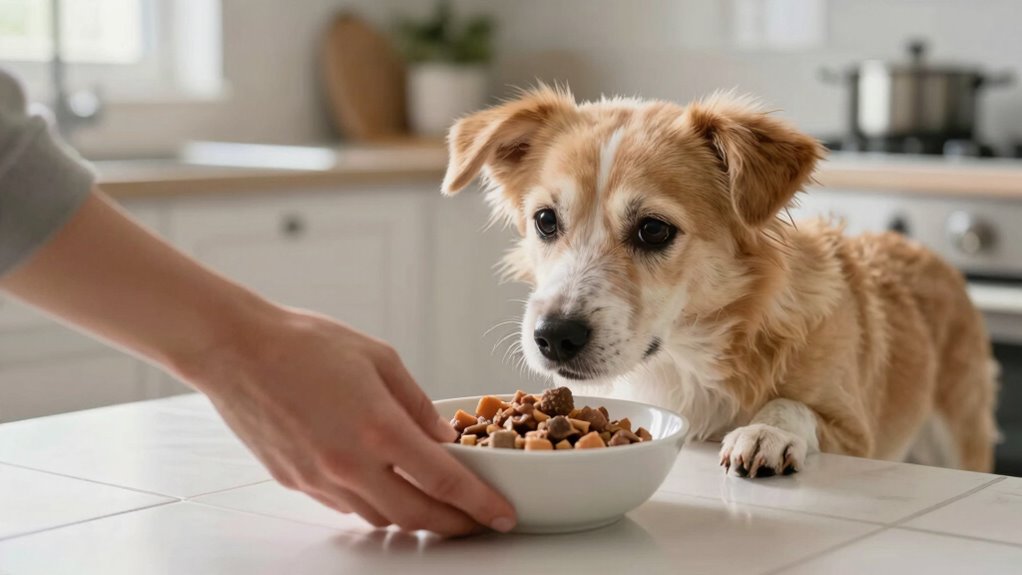
When pets experience stress, their eating habits can change dramatically, making it essential for owners to pay close attention to their diet and feeding routines. Stress-related appetite changes might cause your pet to eat less than usual or, conversely, to overeat. Recognizing these shifts early is key to maintaining their health, which often involves making nutritional adjustments tailored to their new needs. It’s tempting to react by offering more treats or changing their food suddenly, but consistency remains vital. Keeping a regular feeding schedule helps your pet feel secure, even during stressful times.
Stress can alter your pet’s eating habits—maintain routines and make gradual dietary adjustments for their well-being.
When your pet’s appetite fluctuates due to stress, it’s important to observe their behavior carefully. If they’re eating less, don’t force food, but offer small, frequent meals to encourage intake without overwhelming them. Conversely, if they’re overeating, control portion sizes to prevent weight gain and related health issues. In either case, adjusting the nutritional content of their diet can support their emotional and physical well-being. For example, adding nutrients that promote calming effects, like omega-3 fatty acids, can help manage stress-related appetite changes. You might also consider incorporating supplements or special calming treats designed for anxious pets, but always consult your veterinarian before making significant dietary changes.
Even when your pet’s eating habits are disrupted, maintaining a routine provides reassurance. Feed your pet at the same times each day, in the same location, and with the same type of food whenever possible. Consistent routines create a sense of stability that can reduce anxiety. Remember, abrupt changes can exacerbate stress, so any modifications to their diet or feeding schedule should be gradual. If your pet is hesitant to eat, try warming their food slightly or offering enticing aromas to stimulate their appetite. Establishing a consistent routine can significantly ease their stress and contribute to their overall comfort. Additionally, understanding metaphysical influences such as angel numbers might help pet owners find peace of mind during stressful times. Incorporating stress-relief techniques into your daily routine can also support your pet’s emotional health.
In stressful periods, focusing on nutritional adjustments that support their emotional resilience is beneficial. For example, including ingredients rich in vitamins and minerals can bolster their immune system. Monitoring their weight and overall health during this time helps you catch any issues early. Stay attentive to their cues and never ignore persistent refusal to eat, as it could signal more serious health concerns. Additionally, the importance of consistent routines cannot be overstated in helping your pet feel secure during challenging times. Ultimately, while stress can temporarily alter your pet’s appetite, maintaining a consistent feeding routine combined with thoughtful nutritional adjustments can help them regain balance and feel more secure.
As an affiliate, we earn on qualifying purchases.
Frequently Asked Questions
How Can I Tell if My Pet Is Stressed While Eating?
You can tell if your pet is stressed while eating by observing behavior cues like pawing at the bowl, eating hesitations, or turning away. Environmental factors such as loud noises, unfamiliar surroundings, or other pets nearby can heighten stress. If you notice these signs, give your pet a calm, quiet space and monitor their reactions. Recognizing these cues helps you address stress early and maintain a positive feeding routine.
Are Certain Foods Better for Stressed Pets?
A healthy mind in a healthy body, as the saying goes. Certain foods, like calming treats and dietary supplements, can help soothe stressed pets. Look for options with natural ingredients like chamomile or valerian root. These foods support relaxation and stability during stressful times. Always consult your vet before adding new treats or supplements to verify they’re safe and suitable for your pet’s specific needs.
How Long Does It Take for Feeding Routines to Stabilize?
Feeding routines typically stabilize within one to two weeks, though it varies based on your pet’s personality and environment. Consistent dietary adjustments and environmental enrichment help speed up this process. You should observe your pet’s response and stay patient. Keep offering the same foods at scheduled times and provide engaging activities to reduce stress. Over time, these routines will become familiar, helping your pet feel secure and settled.
Should I Change My Pet’s Diet During Stressful Times?
You shouldn’t change your pet’s diet during stressful times without careful thought. Sudden switches can unsettle their digestion and increase anxiety. Instead, stick to familiar feeding schedules and consider dietary supplements that promote calmness. Maintaining consistency helps your pet feel secure, even when stress levels rise. Keep routines stable and consult your vet before making any dietary adjustments—sometimes, less change is the best way to support your pet’s well-being.
Can Stress-Related Loss of Appetite Be Permanent?
Stress-related loss of appetite can sometimes become permanent if the stress persists or isn’t managed properly. You should focus on stress management techniques to help regulate your pet’s appetite. Consistent routines can provide comfort, supporting appetite regulation. If your pet continues to lose interest in food, consult your veterinarian promptly to rule out underlying health issues and develop a tailored plan to promote recovery and well-being.
omega-3 fatty acid supplements for pets
As an affiliate, we earn on qualifying purchases.
As an affiliate, we earn on qualifying purchases.
Conclusion
Remember, during stressful times, your pet still needs consistency, still needs your calm, and still needs routine. By sticking to regular feeding schedules, you provide stability, reduce anxiety, and foster trust. Keep the routine simple, keep it steady, and keep it caring. When stress strikes, your consistency becomes their comfort. Because, in the end, your routine isn’t just about feeding; it’s about reassuring, supporting, and loving your pet through every challenge.
As an affiliate, we earn on qualifying purchases.
gradual dietary adjustment for stressed pets
As an affiliate, we earn on qualifying purchases.
As an affiliate, we earn on qualifying purchases.
Fall yard work Picks
leaf blowers
As an affiliate, we earn on qualifying purchases.