
TL;DR

Get garden gear delivered free with Prime
- Fast, free delivery on millions of items
- Prime Video, Amazon Music and more included
- Member-only deals all year
Perennials that have become crowded, overgrown or less floriferous may benefit from division. Country Living’s gardening guide recommends dividing in early spring or fall, replanting promptly and keeping new divisions watered as they establish. Avoid dividing plants while flowering or during midsummer heat.
Country Living’s gardening guide says gardeners can divide many established perennials in early spring or fall to address crowding, declining blooms or changes in garden conditions. It advises replanting divisions promptly, watering them as they establish, and avoiding the task during flowering or midsummer heat.
Signs that a perennial may need dividing include an overgrown clump, crowding of nearby plants and weaker flowering than in earlier years. A sparse or declining center can also be a clue; the guide gives irises as one example of plants that may stop blooming well in the middle of a clump. Changes in a garden, such as a maturing tree creating more shade, can also prompt a gardener to move or split a plant.
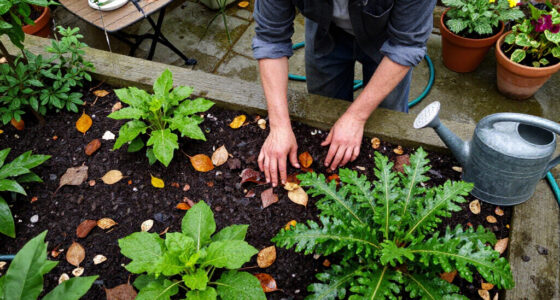
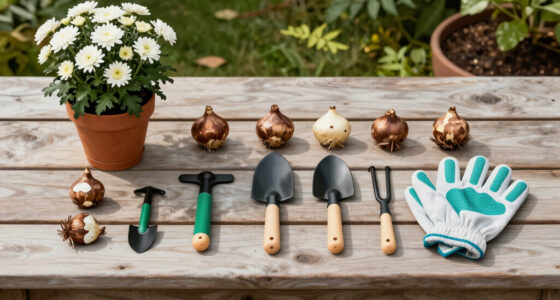
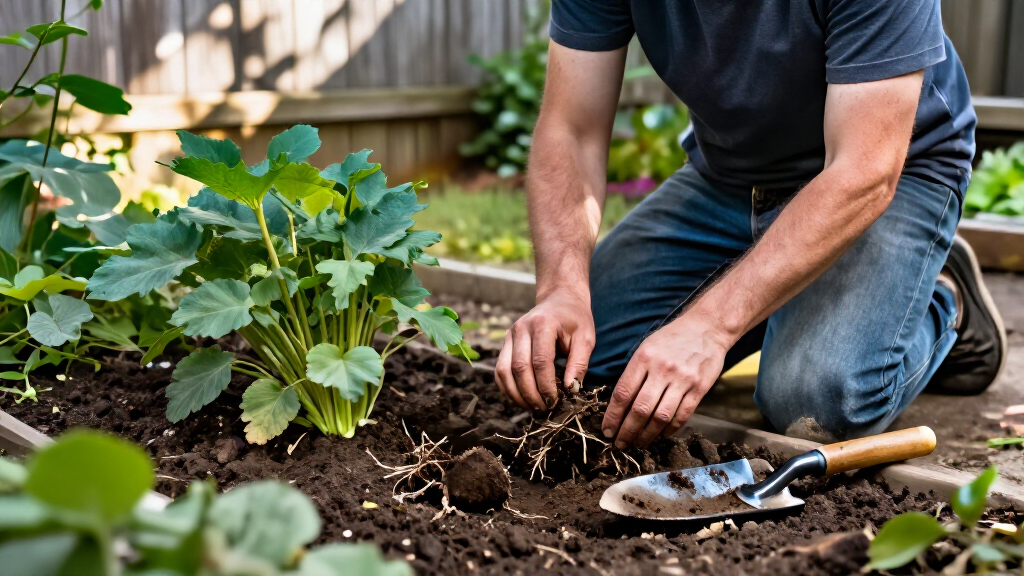
For most suitable plants, the guide recommends preparing the destination before lifting the perennial so it can be replanted right away. Use a garden spade or fork to lift the whole plant or remove a section from its edge. A garden knife can help cut through tough, fibrous roots. Set the division in a hole about two to three times its size, at the same depth it grew before, then backfill, firm the soil and water well.
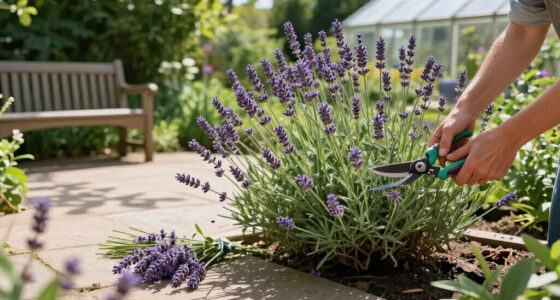
New divisions should be kept slightly damp, not waterlogged, while roots become established, with extra attention during hot, dry spells. The guide advises against fertilizing immediately after division. It lists daylilies, asters, bee balm, hostas, peonies, sedum and ferns among perennials that are generally easier to divide. Plants with deep taproots, including baptisia and lupines, and woody-based plants such as lavender and Russian sage are described as poor candidates.
How Division Helps Garden Beds
Dividing a perennial can help manage crowded planting beds and provide new plants for bare areas without buying replacements. It can also let gardeners relocate a plant when conditions change, such as when surrounding growth creates shade. The source presents division as routine maintenance, not a guaranteed fix: a moved plant may take time to recover, and some transplants may not survive.
Timing and aftercare matter because a newly separated plant must establish roots in its new location. Working in mild conditions and watering as needed can reduce stress, while dividing in peak heat or during bloom may make recovery harder. The advice gives gardeners a practical seasonal window, but local weather and the plant’s condition still affect the decision.
Popular right now

Ninja Hot & Iced XL Coffee Maker with Rapid Cold Brew, Black, CM371

Ninja DualZone Air Fryer 10 Qt Smart 6-in-1 Grey (DZ950)

Dyson Car+Boat Cordless Handheld Vacuum
As an affiliate, we earn on qualifying purchases.
Spring and Fall Timing Windows
The guide identifies spring, as shoots begin to emerge, and fall, when temperatures are mild, as the main windows for dividing. For fall work, it recommends allowing roughly four to six weeks before the ground freezes so a transplant has time to put down roots. Rainfall is often more plentiful in fall, though gardeners still need to check soil moisture.
Some gardeners follow a rule of dividing spring-flowering plants in fall and fall-flowering plants in spring. The Country Living report says that schedule can be a useful preference, but gardeners may need to work when time allows. It cautions against dividing plants while they are flowering, when they are putting energy into blooms, and during very hot midsummer weather.
““Just make sure to tackle this chore about 4 to 6 weeks before the ground freezes in your area.””
— Country Living gardening guide
Plant Recovery Varies
The guide does not give a single schedule that applies equally to every perennial or every climate. Local freeze dates, weather and plant condition affect the best time to work, and the source says some plants may take a few years to bloom again after being moved. It does not provide survival rates or guarantee that a divided plant will thrive.
Its lists are general guidance, not a complete inventory of every variety. Gardeners should check the needs of the specific plant they plan to divide, particularly if it has a taproot or woody base. The report also notes that even a carefully replanted division may fail, so results can vary.
Prepare the Site Before Dividing
Before lifting a plant, choose where the division will go and have a hole ready. Gather a spade or garden fork, garden knife and container for moving the plant while retaining soil around its roots. Divide only when conditions are mild and the plant is not in flower, then replant at its previous depth and water it in.
After planting, check the soil before watering again and keep it slightly damp while the division establishes. Watch for new growth and be patient: some perennials may need time before flowering resumes. If a transplant does not take, the guide says gardeners can try again in a later season.
Key Questions
When is the best time to divide perennials?
The guide recommends early spring, as shoots emerge, or fall, when temperatures are mild. In fall, aim for about four to six weeks before the ground freezes locally.
When should I avoid dividing a perennial?
Avoid division while the plant is flowering and during very hot midsummer weather. Those conditions can add stress while the plant is being moved.
Which perennials are difficult to divide?
The guide identifies deep-taproot plants such as baptisia and lupines, along with woody-based perennials such as lavender and Russian sage, as poor candidates for division.
How should I care for a newly divided plant?
Replant it promptly at its original depth, water it well, and keep the soil slightly damp rather than soggy as it establishes. The guide advises against fertilizing immediately after division.
Source: rss