TL;DR

Get garden gear delivered free with Prime
- Fast, free delivery on millions of items
- Prime Video, Amazon Music and more included
- Member-only deals all year
A Homes & Gardens gardening report recommends covering winter brassicas with netting supported by hoops or posts, and staking taller plants against strong winds. The advice is aimed at reducing pest damage and physical harm, while frost protection needs depend on crop variety and local conditions.
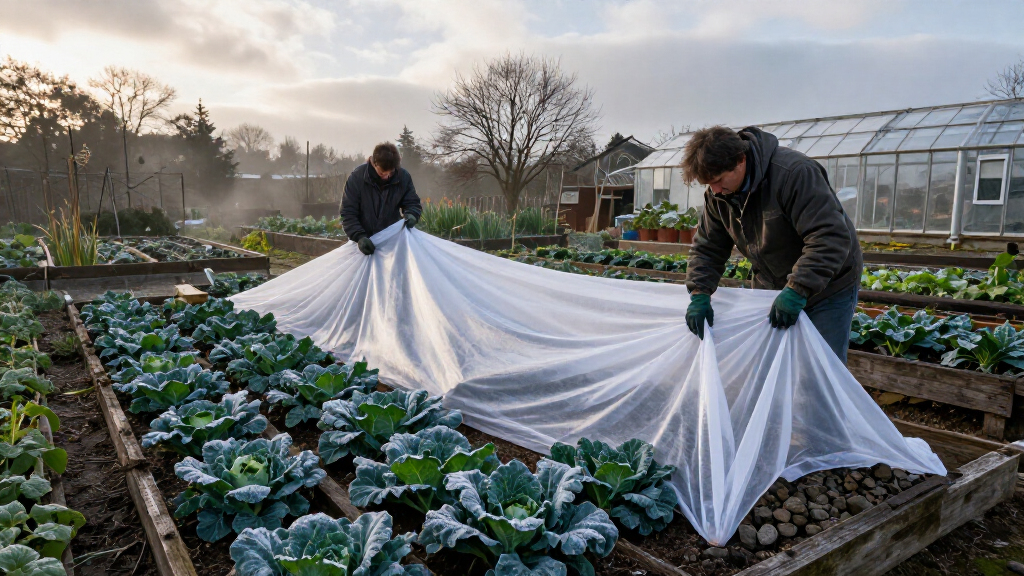
Homes & Gardens has published advice for protecting winter brassicas, recommending that gardeners cover crops such as kale and cabbage with netting held above the plants and stake taller varieties against wind. The methods are intended to limit damage from birds and other pests, as well as reduce the risk of plants being loosened or toppled in winter weather.
The report says winter brassicas—including kale, winter cabbage, cauliflower and Brussels sprouts—can remain in the garden through cold weather, but hardiness varies by crop and variety. A covering can deter birds while allowing light and moisture to reach the plants. The author, writing from experience as a professional kitchen gardener, says fine mesh used during summer can also remain in place over winter.
For netting to work as intended, the report advises placing it over hoops or posts, rather than laying it directly on the foliage. Direct contact can leave leaves within reach of pests, and on frosty nights the material may freeze to the plants and cause damage. The sides should be secured with landscape staples or bricks so wildlife cannot get underneath and wind cannot lift the cover.
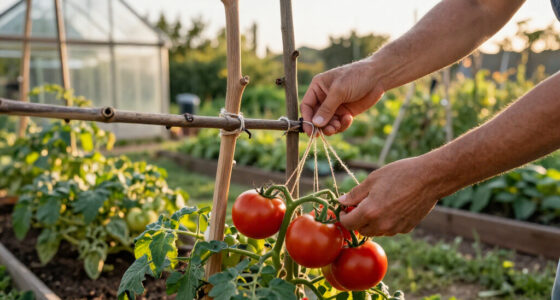
For taller crops such as Brussels sprouts and some kale, the author recommends tying the main stem loosely to a bamboo or wooden stake with a soft, flexible tie. The report says strong winds can cause “wind rock,” loosening roots as plants move back and forth. It also notes that rodents, deer, rabbits, slugs and snails may damage brassicas, alongside birds.
Keeping Winter Crops Harvestable
Brassicas left outdoors can provide food through the colder months, but weather and wildlife can reduce the usable harvest. Raised netting offers a physical barrier against birds without sealing off the plants, while staking addresses a separate risk: wind movement that can damage roots or bring plants down.
The advice also distinguishes pest protection from frost protection. Netting is presented mainly as a barrier to wildlife; gardeners in colder areas may need thicker frost cloth for additional cold protection. Choosing the right approach may help avoid preventable crop losses, though the report does not quantify how much yield these measures preserve.
Popular right now

Dyson Cyclone V10 Origin Cordless Vacuum

Bose QuietComfort Ultra Earbuds (2nd Gen) – Wireless Noise‑Cancelling Earbuds with Mic, Immersive Audio, USB‑C Charging, Up to 6 Hours Batte

Ninja Flip Toaster Oven and Air Fryer, 8-in-1, Stainless Steel, SP151
As an affiliate, we earn on qualifying purchases.
Hardiness Depends on Variety
The source says winter brassicas are generally adapted to cold conditions and can tolerate freezes, but that tolerance is not the same as being immune to damage. It gives approximate examples: hardiest kale varieties may withstand temperatures down to -10°F, while savoy winter cabbage and Brussels sprouts may tolerate around 10°F. These are source-reported figures, not a guarantee for every cultivar or growing site.
The report says growers in USDA hardiness zone 5 can often overwinter these crops without major concern, while gardeners in zones 3 or 4 should select hardier varieties and consider thick frost cloth. It also says snow can insulate plants in northern climates, although it may make harvesting more difficult. No specific garden location or variety is identified in the article’s advice.
““The simplest way to protect winter brassicas and preserve your harvest is to cover the plants.””
— Homes & Gardens report author
Limits of the Winter Advice
The article does not provide independent trial results, measured yield changes or a comparison of netting methods. Its recommendations are practical gardening advice, including the author’s own experience, rather than evidence that a particular cover will prevent all crop damage. The degree of protection will depend on local weather, pest pressure, crop variety and how securely a cover is installed.
It is also not clear which specific cultivars the temperature examples refer to, or how long plants can tolerate those temperatures without harm. The source notes that plants may suffer damage even when they survive the cold. It does not set out a single frost-cover threshold for every growing region.
Steps Before Winter Weather
The report gives no announced follow-up or scheduled update. Its practical sequence is to identify which crops are exposed, install hoops or posts, secure netting around the bed and stake tall plants before strong winds arrive. Gardeners in colder zones can check their crop variety and consider frost cloth where needed.
As winter conditions change, growers will need to monitor covers for loose edges, plant movement and signs of pest damage. The source offers no guarantee that these measures will protect every harvest; local conditions and crop response remain the guide.
Key Questions
What is the main recommendation for protecting winter brassicas?
The Homes & Gardens report recommends covering crops with netting to deter birds and other pests. It says to support the netting on hoops or posts rather than laying it directly on the plants.
Can netting touch kale or cabbage leaves?
The report advises against direct contact. Pests may reach leaves through the material, and on frosty nights netting can freeze to foliage and damage it. Supporting the cover above the crop helps avoid those risks.
Do winter brassicas need frost cloth?
Not necessarily. The article says hardiness varies by crop and variety, and suggests thicker frost cloth for gardeners in colder zones such as USDA zones 3 and 4. The examples are not a guarantee for every plant or location.
Why stake Brussels sprouts and taller kale?
Staking can help limit movement in strong winds. The report says repeated swaying may loosen roots, a problem it calls wind rock, and can in severe cases topple plants.
Source: homesandgardens.com