
TL;DR
Ideal Home reports that garden experts recommend four checks after storms: paving and debris, persistent puddles, blocked drainage and damaged structures. The advice is to clear hazards, follow product instructions when cleaning, and seek a drainage assessment if water keeps pooling.
After heavy rain and high winds from Storm Austen and Storm Boelo, an Ideal Home report urges UK homeowners to check patios for loose paving, standing water, blocked drains and weakened garden structures. The guidance, based on comments from garden and outdoor-living experts, says these problems can worsen if left unattended, particularly when water remains around paving or structures.

Get garden gear delivered free with Prime
- Fast, free delivery on millions of items
- Prime Video, Amazon Music and more included
- Member-only deals all year
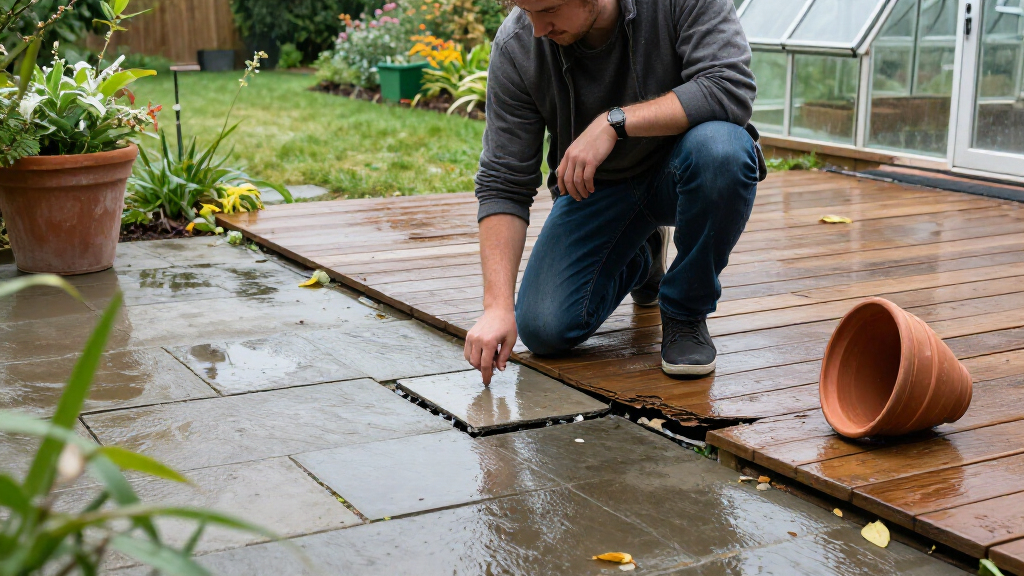
The first check is for visible damage and debris. Amber Tunney, plant buyer at Cherry Lane Garden Centres, advises looking for loose paving slabs, fallen branches and broken plant pots that could create trip hazards. Outdoor expert Andrew White of Harbour Lifestyle recommends clearing leaves and other debris, using a soft-bristled brush on delicate paving to reduce the risk of scratching it.
The second check is for puddles that do not drain and joints between slabs that appear washed out. White says prolonged standing water can weaken paving joints. If temperatures fall below freezing, water can expand and worsen existing cracks. His advice is to clear blocked drainage channels and remove leaves from drainage grates rather than pushing them into corners.
The final checks cover drainage around structures and patio fittings. Homeowners should look for water gathering near walls, fences or pergola posts, and inspect fences, screens, pergolas and furniture for leaning posts, loose fixings or movement at joints. White also recommends checking metal frames for rust and wooden joints for splits. The report advises using cleaning products suited to the paving material and following the manufacturer’s instructions.
Small Patio Defects Can Worsen
The recommended checks focus on issues that may be easy to miss once storm debris has been cleared. Standing water and washed-out joints can leave paving more vulnerable to further deterioration, while loose slabs and fallen branches pose immediate trip or impact hazards. The report’s advice is preventive: identifying problems early may help homeowners address them before more rain or freezing conditions aggravate existing damage.
Drainage problems can also affect nearby structures if water collects around their bases. White says persistent pooling after drains have been cleared is a reason to have the patio’s drainage assessed. The report does not quantify likely repair costs or say that every puddle signals structural damage; it presents inspection as a practical way to spot warning signs.
Popular right now

Breville Bambino Espresso Machine, Brushed Stainless Steel (BES450BSS)

Samsung 65-Inch M70H Series 4K Mini LED Smart TV (2026)

De'Longhi Stilosa Compact Manual Espresso Machine with Milk Frother
As an affiliate, we earn on qualifying purchases.
Advice After Two UK Storms
The Ideal Home article was published in the wake of a weekend of high winds and heavy rain associated in the report with Storm Austen and Storm Boelo. It describes common patio aftermath including puddles, debris and broken furniture, and notes that repairs may need attention before another storm adds to the damage.
The source offers expert recommendations, not a formal damage survey. It does not provide weather-service data, estimates of how many patios were affected, or a specific forecast for the next storm. Its central point is to inspect paving, drainage and outdoor structures after severe weather and respond according to what is found.
“After a storm, check your patio for any damage, particularly loose paving slabs, fallen branches or broken plant pots that could be a trip hazard.”
— Amber Tunney, plant buyer at Cherry Lane Garden Centres
Extent of Damage Is Unknown
The report does not establish how widespread patio damage was after the storms, nor does it provide a date for publication or a measured assessment of the affected areas. It is also unclear whether any particular patio has structural damage: the listed checks are general guidance, not a diagnosis.
The source gives no cost estimates, repair timelines or specific instructions for fixing damaged paving or structures. Where water continues to collect, White recommends a drainage assessment, but the report does not specify which professional should carry it out or what work might be needed.
Inspect, Clear and Recheck
Homeowners can begin by clearing loose leaves and debris, then checking slabs, joints, drains and nearby structures for visible movement or damage. Use brushes and cleaning products appropriate for the paving, and follow the product manufacturer’s instructions. Do not assume a surface is sound simply because debris has been removed; check whether puddles drain and whether water is gathering around posts or walls.
If drainage channels are clear but water continues to pool, the report recommends having drainage assessed. The next step for any loose paving, leaning structure or damaged joint depends on the condition and the cause; the source does not prescribe a repair method. Rechecking after further heavy rain can show whether water is still collecting, while covers or storage may help protect outdoor furniture from ongoing exposure.
Key Questions
What should I check on my patio after a storm?
Check for loose paving, debris, persistent puddles, blocked drains and damage to fences, pergolas or furniture. Also look for water collecting around walls, fences and posts.
Why are puddles on a patio a concern?
Andrew White of Harbour Lifestyle says prolonged standing water can weaken paving joints. In freezing conditions, water can expand and worsen existing cracks. A puddle alone does not confirm structural damage.
What should I do if water still pools after I clear the drains?
White recommends having the patio’s drainage assessed if water continues to pool after the drains have been cleared.
How should I clear storm debris from delicate paving?
The report advises using a soft-bristled brush on delicate paving to reduce the chance of scratching it. For stubborn marks, use a cleaner suitable for the paving material and follow its manufacturer’s instructions.
Source: idealhome.co.uk