
TL;DR

Get garden gear delivered free with Prime
- Fast, free delivery on millions of items
- Prime Video, Amazon Music and more included
- Member-only deals all year
A Gardening Know How report says home gardeners can grow saffron from Crocus sativus corms in sunny, well-drained soil, with flowers typically appearing in autumn. Each flower supplies three red stigmas, which are harvested and dried for the spice; poisonous lookalikes and wet summer soil are key risks. The report does not provide a cost comparison or quantify the harvest a typical home planting will produce.
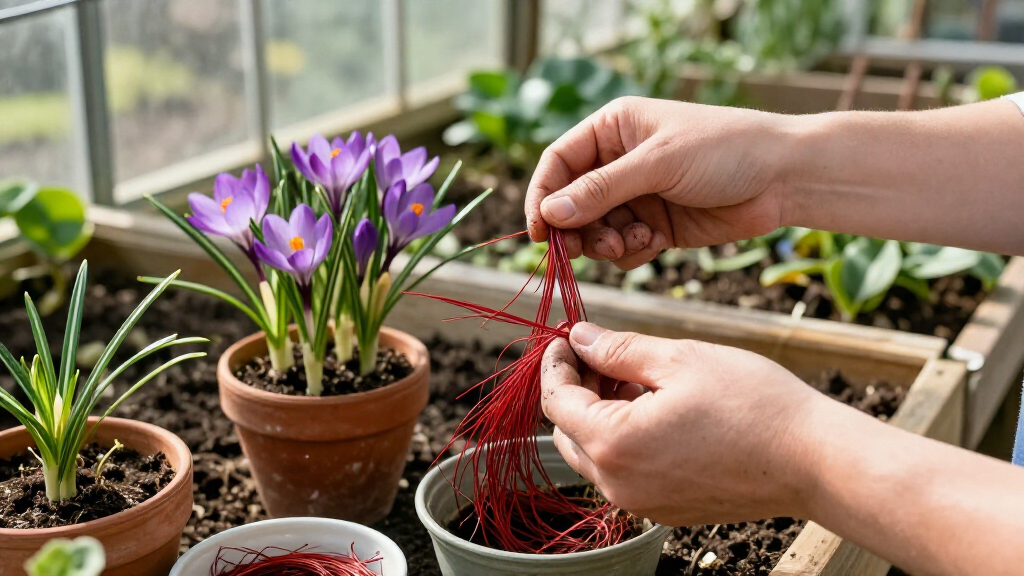
Gardening Know How has published a guide to growing saffron crocus at home, explaining how gardeners can raise Crocus sativus for its spice-producing red stigmas. The report says the plant can flower in its first autumn, but successful growing depends on sunshine and well-drained soil, while accurate plant identification matters because some similar-looking autumn bloomers are poisonous.
Saffron comes from the Crocus sativus, a fall-blooming crocus with lavender flowers. Each flower has three red stigmas, which are picked and dried to make the spice. Gardening Know How reports that about 150 flowers yield one gram of dried saffron threads, with the stigmas collected by hand. The report does not give a current retail price or compare home-growing costs with store-bought saffron.
The guide recommends planting corms, the bulb-like structures from which the plants grow, in August or September, although it says October planting can also work. Corms should be planted pointed end up, about 4 to 6 inches deep and 3 to 4 inches apart, then watered in. The guide describes the plant as hardy in zones 4 through 8, while stressing that standing water can cause corms to rot. Raised beds or containers may help in heavy, poorly drained soil.
Flowers typically open in October or November. The stigmas are picked from the flowers and dried fully before being stored in a tightly sealed jar away from light. The report says saffron can be air-dried in a warm, dark place or dried with a dehydrator fitted with a fine screen. It advises allowing a new batch to sit for about a month before cooking with it.
A Small Harvest With High Care Needs
Growing saffron at home offers gardeners a way to produce a spice that takes substantial hand labor to harvest commercially. The report’s estimate of about 150 flowers per gram also gives readers a practical sense of why a home harvest may be small: each flower contributes only three stigmas, and the harvested threads must be dried before use.
The plant may also suit a garden beyond the kitchen. Its purple autumn flowers can be grown in a sunny border, a container or, according to the guide, among lawn grass that is no longer being mown when the crocus blooms. However, results can vary by site and season, and the report does not specify how many corms a household would need for a particular amount of spice.
As an affiliate, we earn on qualifying purchases.
Planting, Dormancy and Autumn Bloom
The report describes saffron crocus as a fall-flowering plant grown from corms rather than from seed. It says corms can multiply over time, potentially increasing the size of a planting, though newly planted corms may not all flower in their first season. Some may bloom only in the second year, so an initially light harvest does not by itself mean the planting has failed.
After flowering, the leaves should be left until they yellow naturally, the guide says. The foliage continues to feed the corms before the plant goes dormant, generally around June or July. Summer watering from nearby plants or a shared drip line can leave the soil too wet during dormancy. The report also advises against fresh manure and heavy nitrogen applications.
““Good drainage is the key to growing these corms successfully in all zones.””
— Gardening Know How
As an affiliate, we earn on qualifying purchases.
Harvest Size and Local Conditions
The report gives planting and care guidance but does not establish the yield a typical gardener should expect, how much a home-grown harvest might save, or the exact number of corms needed for regular cooking. Results will depend on climate, drainage, corm health and growing conditions. Its hardiness guidance is framed by gardening zones, so readers should check how those recommendations apply to their location.
Plant identification also remains a practical concern. The report warns that Colchicum autumnale and related plants may be sold as autumn crocus or meadow saffron and are poisonous throughout. It says saffron crocus has three stamens while Colchicum has six, but advises checking plant identity before harvesting rather than relying on appearance alone.
The source also includes consumption cautions: it advises pregnant people not to ingest saffron, notes possible interactions with blood pressure and diabetes medicines, and recommends medical advice where relevant. The report does not provide independent medical evidence or discuss individual risk; readers with health questions should consult a qualified clinician.
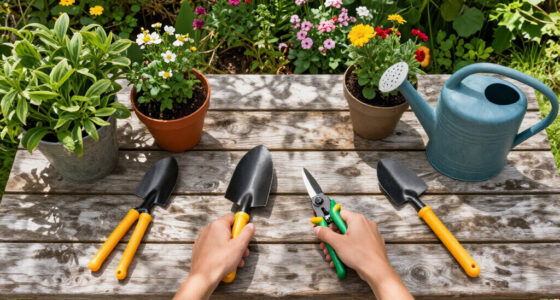
gardening tools for saffron cultivation
As an affiliate, we earn on qualifying purchases.
As an affiliate, we earn on qualifying purchases.
Seasonal Steps for Gardeners
For gardeners following the guide, the next step is to obtain corms identified as Crocus sativus and plant them promptly in a sunny location with reliable drainage. The report says corms left in storage too long may sprout before planting. Gardeners in areas with voles or squirrels may need protective mesh around the planting, and netting may be useful where deer browse on winter foliage.
After planting, the main tasks are to avoid prolonged wet soil, allow the leaves to die back naturally and watch for autumn flowers. Harvesters can remove the red stigmas after the dew has dried, then dry them completely before storing. The report does not announce a new product, trial or follow-up harvest result; its guidance is practical advice for a crop whose outcome will depend on each garden.
raised garden beds for saffron growing
As an affiliate, we earn on qualifying purchases.
As an affiliate, we earn on qualifying purchases.
Key Questions
When should saffron crocus be planted?
August or September is the usual planting time in the Gardening Know How report, though it says October can also work. Plant corms promptly after receiving them.
How much saffron comes from one flower?
Each Crocus sativus flower has three red stigmas used for saffron. The report estimates that about 150 flowers are needed for one gram of dried threads.
Can saffron crocus grow in a pot?
Yes. The guide says containers around 30 centimetres across can be used. It recommends setting pots on the ground over winter rather than leaving them on a bench, and choosing a sunny, sheltered spot in colder areas.
Are autumn crocus and saffron crocus the same plant?
No. The report warns that Colchicum autumnale and related plants may be sold as autumn crocus or meadow saffron and are poisonous. Harvest only from plants identified as Crocus sativus.
When are saffron stigmas ready to harvest?
The flowers generally open in October or November. The guide recommends picking the red stigmas in the morning after the dew dries, ideally before flowers fully open, and drying the threads completely before storage.
Source: rss
Halloween Picks
halloween
As an affiliate, we earn on qualifying purchases.