
TL;DR

Get garden gear delivered free with Prime
- Fast, free delivery on millions of items
- Prime Video, Amazon Music and more included
- Member-only deals all year
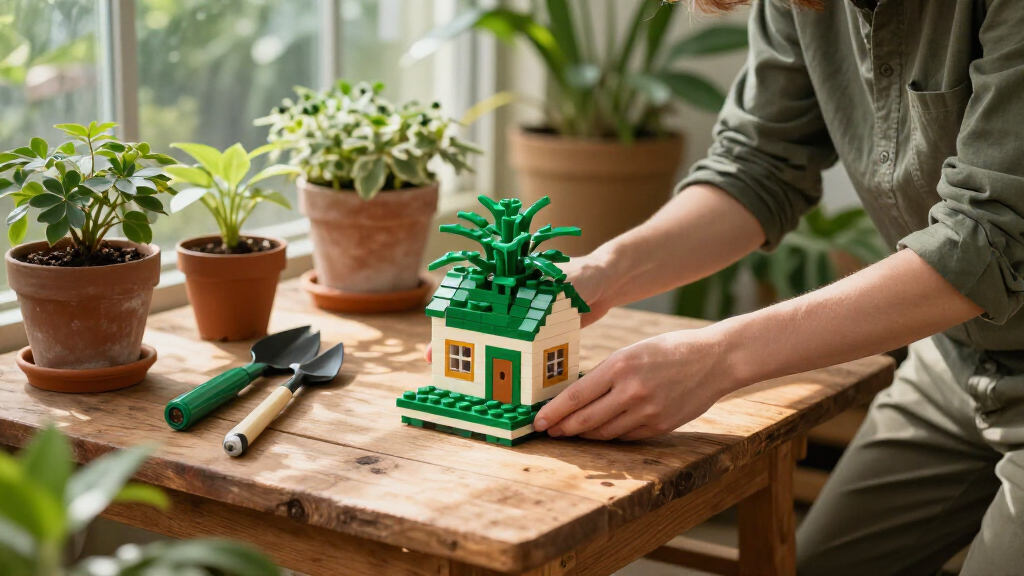
LEGO has announced a new line of brick-built houseplants, fueling discussions about their aesthetic and functional appeal. The trend reflects rising interest in decorative and low-maintenance greenery, though the full impact is still unfolding.
LEGO has unveiled a new range of brick-built houseplants, sparking widespread interest and debate over whether these artificial plants can match or surpass the appeal of real greenery. The launch comes amid rising online searches and social media discussions about decorative, low-maintenance alternatives to live plants, though the company has not yet provided detailed sales data or consumer feedback.
The new LEGO collection features a variety of plant designs, including succulents, ferns, and flowering species, all constructed from standard LEGO bricks. The sets are marketed as decorative items suitable for homes and offices, emphasizing their durability and ease of maintenance compared to real plants. The trend appears to be gaining momentum on social media, with many users sharing images and videos of their assembled houseplants, often highlighting their aesthetic appeal.
According to LEGO representatives, the new line aims to combine creative expression with functional decor, appealing to both LEGO enthusiasts and plant lovers seeking low-effort alternatives. While official sales figures are not yet available, industry observers note that search interest for “LEGO houseplants” and related terms has spiked significantly in recent weeks, indicating a surge in consumer curiosity.
Why Brick-Built Houseplants Are Capturing Attention
The introduction of LEGO houseplants reflects a broader trend of consumers seeking decorative solutions that combine aesthetic appeal with convenience. For many, real plants require ongoing care and can be difficult to maintain, especially in urban or low-light environments. The brick-built alternative offers a long-lasting, low-maintenance option that can appeal to busy individuals, children, and those with allergies or limited gardening skills. This development could influence the home decor market, potentially reducing demand for live plants in certain segments, and encouraging other toy and decor brands to explore similar products.
However, critics and enthusiasts alike are debating whether these artificial plants can truly replace the natural beauty and environmental benefits of real greenery. The trend also raises questions about the future of plant care and the role of artificial decor in sustainable living practices, making it a noteworthy development for consumers and industry stakeholders.
As an affiliate, we earn on qualifying purchases.
Growing Interest in Artificial Plants and Decor Trends
The trend toward artificial houseplants is not new; however, recent spikes in online searches and social media activity suggest a renewed and growing interest. Historically, artificial plants have been used primarily for aesthetic purposes in commercial and interior design, but now they are increasingly marketed directly to consumers for personal use. The rise of minimalist and low-maintenance home decor styles, combined with the popularity of DIY and creative projects on platforms like TikTok and Instagram, has contributed to this surge.
While live houseplants remain popular, their care requirements and perishability limit their appeal for some buyers. The trend toward brick-built plants appears to be a response to these limitations, offering a durable, customizable, and visually appealing alternative. Industry analysts note that this movement aligns with broader shifts toward sustainable, allergy-friendly, and space-efficient home solutions, although the long-term market impact remains uncertain.
artificial houseplants decorative set
As an affiliate, we earn on qualifying purchases.
As an affiliate, we earn on qualifying purchases.
Unclear Impact on Real Plant Market and Sustainability
It is not yet clear how significantly the new LEGO houseplants will affect the demand for real houseplants or the broader plant industry. Sales data, consumer preferences, and long-term adoption rates are still unknown. Additionally, questions remain about the environmental impact of producing and disposing of artificial decor versus live plants, and whether consumers will view brick-built plants as a sustainable alternative.
low maintenance faux plants for home
As an affiliate, we earn on qualifying purchases.
As an affiliate, we earn on qualifying purchases.
Next Steps for Consumer Adoption and Industry Response
Further market data and consumer feedback will clarify the popularity and longevity of the trend. LEGO plans to release more designs and possibly expand the line based on initial reception. Industry analysts will monitor whether other brands follow suit with similar products or if the trend remains niche. Additionally, environmental assessments and consumer surveys will help determine whether brick-built plants will influence the future of home decor and plant care.
As an affiliate, we earn on qualifying purchases.
Key Questions
Are LEGO houseplants suitable for outdoor use?
Currently, LEGO houseplants are designed for indoor decor and are not weather-resistant for outdoor use.
Do LEGO houseplants require any maintenance?
No, they require no watering, sunlight, or care, making them a low-maintenance alternative to real plants.
Can LEGO houseplants be customized or expanded?
Yes, they are built from standard LEGO bricks, allowing for customization and combination with other LEGO sets.
Will the trend impact the sales of real houseplants?
It is too early to determine, but initial interest suggests some consumers may prefer low-maintenance decorative options, potentially affecting certain segments of the plant market.
Are these LEGO plants eco-friendly?
While they do not require water or soil, their environmental impact depends on manufacturing and disposal practices, which are not yet fully assessed.
Source: rss
Fall Picks
fall essentials
As an affiliate, we earn on qualifying purchases.