
TL;DR

Get garden gear delivered free — and shop member deals
- Fast, free delivery on millions of items
- Access to Prime Big Deal Days deals on October 6–7
- Prime Video, Amazon Music and more included
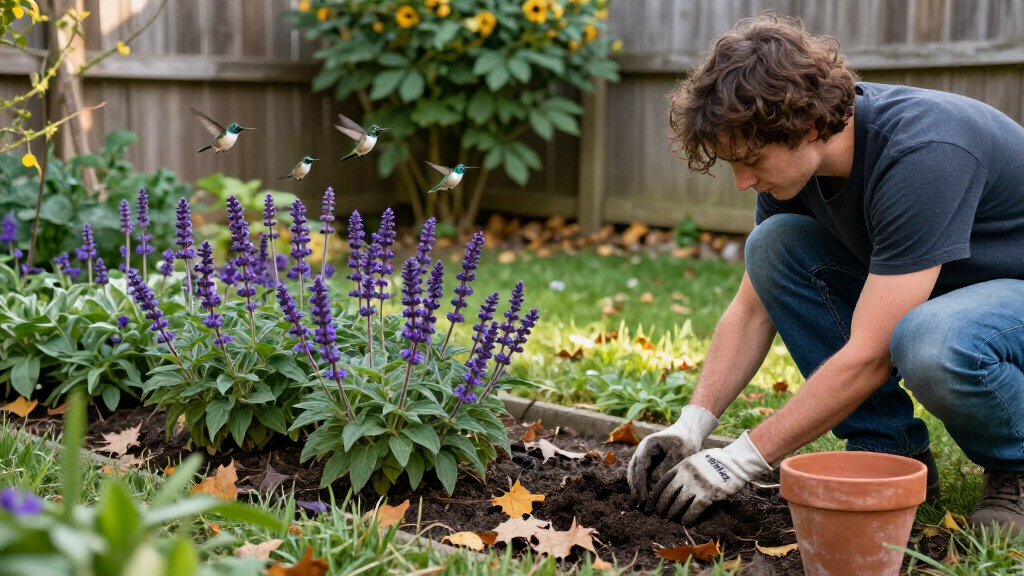
A Homes & Gardens gardening report recommends five purple or blue-purple flowers that can bloom during fall and offer nectar for hummingbirds: Mexican bush sage, catmint, great blue lobelia, agastache and obedient plant. Bloom times and growing conditions vary, and the report does not provide evidence that planting them guarantees more backyard visits.
Homes & Gardens has published a gardening guide recommending five purple or blue-purple flowers that can provide nectar for hummingbirds during fall migration, when some summer blooms have faded. The report lists Mexican bush sage, catmint, great blue lobelia, agastache and obedient plant, while noting that their flowering periods and growing requirements differ.
The report describes these flowers as potential sources of nectar during a seasonal gap in garden blooms. It says hummingbirds are drawn to purple as well as red, attributing their ability to see these colors to tetrachromatic vision that includes ultraviolet wavelengths. The article presents this as an explanation for the appeal of vivid purple and blue blooms against green foliage.
Mexican bush sage is listed for USDA hardiness zones 8–10 and is described as flowering from late summer into fall, until a hard frost. The guide recommends full sun and rich, well-draining soil, with plants spaced 3–5 feet apart. Catmint, listed for zones 3–9, may continue its summer flowering into fall, sometimes as late as October depending on variety. The report says removing spent blooms and leggy growth after the first flowering can encourage another flush.
Great blue lobelia (Lobelia siphilitica), zones 4–9, typically flowers from July through October and is suited to moisture-retentive soil. Agastache, also called hyssop or hummingbird mint, is listed for zones 5–10; the article says it can bloom from early summer until the first frost. Obedient plant (Physostegia virginiana), zones 3–9, produces pink or lavender tubular flowers and may continue flowering until frost. Those hardiness-zone ranges and care notes come from the source report; local conditions can affect results.
Flowers for the Fall Nectar Gap
The recommendations focus on a practical seasonal issue: fewer flowers may be available as summer ends, while migrating hummingbirds still need food. A garden with blooms that last into fall may offer additional nectar sources, and several plants on the list can also support bees and butterflies, according to the report.
The article’s headline suggests planting these flowers for more backyard visitors, but it does not report a measured increase in hummingbird visits or provide a comparison between gardens with and without the plants. The supported takeaway is narrower: these flowers may add nectar-bearing blooms during part of the migration season, if they grow and flower under local conditions. They are not a guarantee that hummingbirds will visit.
As an affiliate, we earn on qualifying purchases.
Five Flowers and Their Growing Needs
The report singles out tubular flowers as a feature that can make nectar accessible to hummingbirds. Mexican bush sage, agastache and great blue lobelia are described as having tubular blooms; catmint has small flowers on spikes, while obedient plant carries spikes of lavender or pink flowers. Their bloom periods overlap with parts of fall, but not every plant will flower at the same time in every region.
Growing conditions vary across the list. Mexican bush sage and agastache are recommended for sunny sites, while great blue lobelia favors consistently moist soil and may suit a rain garden. Catmint is also recommended for sun and well-drained soil, with the report cautioning that too much fertilizer can lead to floppy growth. Obedient plant is described as tolerating sun to partial shade and several soil types. The source advises dividing agastache every three to five years as plants mature.
As an affiliate, we earn on qualifying purchases.
Local Bloom Timing Varies
The source does not quantify hummingbird visits or establish that purple flowers attract more birds than other colors. It offers gardening advice rather than results from a controlled comparison, and it does not identify a particular study supporting the vision explanation.
Actual flowering depends on factors the report does not detail, including local climate, planting date, weather and the specific cultivar. The article also does not specify a single planting window suitable for all regions; its headline’s instruction to plant now should not be treated as universal timing advice. Readers will need to check local frost dates and growing guidance for their area.
As an affiliate, we earn on qualifying purchases.
Check Local Planting Conditions
Gardeners considering the plants can compare each flower’s hardiness zone and soil needs with conditions in their yard before planting. They can also check local extension services or nursery advice for fall planting dates, since the source provides no region-specific calendar.
The report points readers toward other seasonal steps, including maintaining hummingbird feeders, watching for nests and considering winter-flowering shrubs. It does not give a follow-up date or report on migration outcomes, so whether these flowers bring additional birds to a particular backyard remains something gardeners would need to observe locally.
As an affiliate, we earn on qualifying purchases.
Key Questions
Which five flowers does the report recommend?
It lists Mexican bush sage, catmint, great blue lobelia, agastache and obedient plant as purple or blue-purple options that may flower during parts of fall.
Will planting these flowers guarantee more hummingbirds?
No. The report offers gardening recommendations but does not measure bird visits or establish that planting the flowers will increase them. Blooming plants may provide a nectar source, but hummingbird activity can vary.
Which of the flowers can bloom latest in the season?
The report says Mexican bush sage, agastache and obedient plant can flower into fall or until the first frost. Catmint may continue into October, depending on the variety; local weather affects all bloom times.
Do all five flowers need the same growing conditions?
No. Several prefer full sun, but great blue lobelia needs moisture-retentive soil, while obedient plant can tolerate partial shade and a wider range of soils. Check the guidance for each plant and local conditions before planting.
Source: rss
Fall yard work Picks
leaf blowers
As an affiliate, we earn on qualifying purchases.