TL;DR

Get garden gear delivered free with Prime
- Fast, free delivery on millions of items
- Prime Video, Amazon Music and more included
- Member-only deals all year
A Homes & Gardens report advises that winter waterlogging, rather than cold alone, is a major risk for alpine plants in many home gardens. It recommends sheltering in-ground plants from prolonged rain, moving pots to a dry, protected place, maintaining airflow and checking drainage.
A Homes & Gardens report says alpine plants in home gardens are often more at risk from cold, waterlogged soil than from low temperatures alone, and recommends sheltering them from prolonged winter rain. The guidance matters to gardeners because plants adapted to cold, fast-draining mountain conditions may struggle in wetter garden soils and containers.
The report says alpines generally need little watering or feeding once established, but winter conditions can expose them to a different problem: their roots may remain in cold, saturated soil for too long. It explains that water can fill air spaces around roots, limiting oxygen and contributing to root or crown rot. Repeated freezing and thawing can also lift plants from the soil, a process known as frost heave.
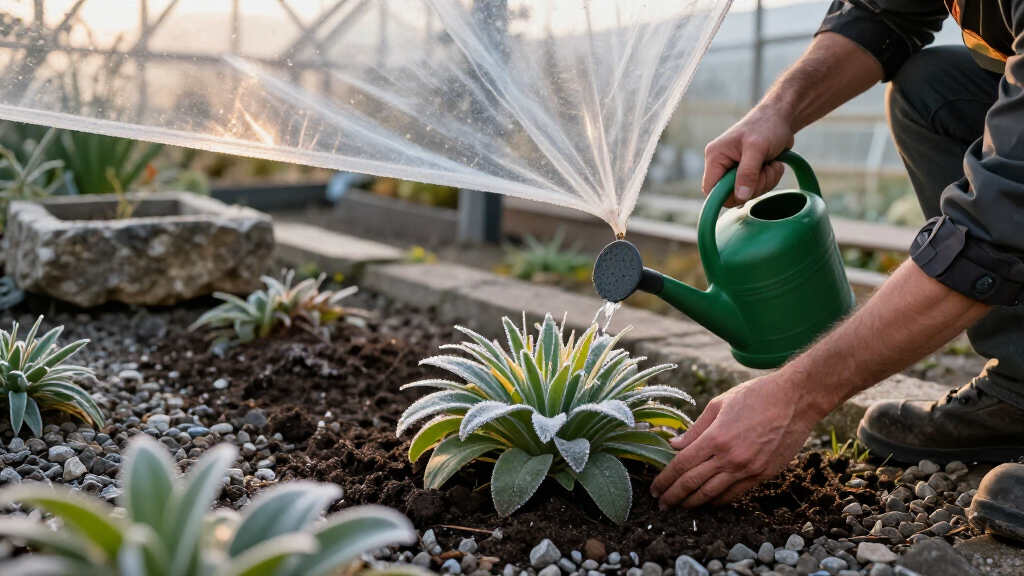
For alpines growing in rock, crevice or gravel gardens, the report recommends using a cold frame, cloche or other rain shelter during wet winter weather. Glass panes or plastic sheeting can serve as covers if secured against wind. Ventilation still matters: open vents or covers on warmer days so damp air does not remain trapped around plants and encourage fungal problems.
For plants in containers, the report advises moving pots to a dry, sheltered location, such as an unheated greenhouse, cold frame, porch or space under house eaves. Check that drainage holes are clear, raise pots on pot feet or bricks, and tilt them slightly so rain can run off. The source also recommends a free-draining growing mix containing compost, sharp sand and fine gravel. Check soil moisture every few weeks; the report says alpines need very little water in winter, but does not prescribe a single schedule for every plant or location.
Keeping Roots Dry Through Winter
The advice addresses a seasonal mismatch between many alpines’ natural conditions and those in home gardens. The report describes alpine habitats as often cold but well drained, with rocky soils that shed meltwater. In many gardens, by contrast, winter rain and mild spells can leave soil damp for extended periods. A plant’s ability to tolerate cold does not necessarily mean it can tolerate prolonged wetness around its roots.
That distinction can help gardeners choose the right protection rather than simply bringing every alpine into a warm space. The report’s approach focuses on reducing exposure to rain, improving drainage and allowing airflow. It also flags hairy or woolly foliage as a potential vulnerability: water may collect near the crown of plants such as edelweiss, pussytoes and some pulsatillas and saxifrages, increasing concern about rot.
Popular right now

LG 77-Inch OLED evo C6 4K Smart TV

KitchenAid Artisan Mini Tilt-Head Stand Mixer, 3.5 Qt, Contour Silver

KitchenAid Artisan Mini 3.5-Qt Tilt-Head Stand Mixer, Candy Apple Red
As an affiliate, we earn on qualifying purchases.
Why Garden Alpines Face Different Conditions
Alpine plants are commonly valued for being hardy and low-maintenance. According to the Homes & Gardens report, many evolved in high-altitude environments with strong winds, intense sun and cold winters, and can thrive in lean soil with limited watering once established.
The report says snow in some natural habitats can insulate plants from icy winds and rain, while meltwater drains through rocky ground. That combination is not guaranteed in a domestic garden, where soil and winter rainfall vary. The recommendations therefore focus on the local growing setup: in-ground plants need overhead shelter, while pots can be moved or raised to improve protection and drainage.
“During wet winters, water fills the air spaces around the roots and deprives the roots of oxygen. Over time, the roots and crown can rot.”
— Jessica Mercer, horticulturist at Plant Addicts, as quoted by Homes & Gardens
Care Depends on Plant and Climate
The report offers general seasonal guidance, not a plant-by-plant winter plan. It does not specify how much shelter each alpine needs, how often every variety should be checked, or a moisture threshold for watering. Those decisions depend on local rainfall, temperatures, soil drainage and the plant species.
The source material also does not provide trial data comparing survival rates under different covers or drainage methods. Its recommendations are expert advice attributed by Homes & Gardens, rather than a guarantee that a particular measure will prevent damage. Gardeners should monitor plants and adjust protection to their conditions.
Check Covers and Pots During Winter
As winter progresses, gardeners can check that covers remain secure, drainage holes are open and pots are not sitting in pooled water. On warmer days, open cold frames or other enclosed shelters to restore airflow, then close them again as conditions change. Inspect soil moisture every few weeks and water sparingly only when needed, rather than following a fixed calendar.
In spring, remove or reduce winter covers as weather permits and check plants for signs of rot or frost heave. The report does not give a specific date for uncovering alpines, so timing should reflect local conditions and the needs of each plant.
Key Questions
What is the main winter risk for alpine plants?
The report identifies prolonged waterlogging as a major risk. Saturated soil can deprive roots of oxygen and contribute to root or crown rot; freezing and thawing may also lift plants from the ground.
Should alpine plants be covered outdoors?
For in-ground alpines in wet conditions, the report suggests a cold frame, cloche or secured rain shelter. Open vents or covers during warmer weather to allow air to circulate.
Where should potted alpines spend winter?
The report recommends a dry, sheltered spot such as an unheated greenhouse, cold frame or porch. If those are unavailable, pots can be placed under eaves, raised above the ground and tilted to help rain drain away.
Do alpine plants need watering in winter?
They generally need very little water, according to the report. Check soil moisture every few weeks and avoid leaving plants in saturated soil; the right amount depends on conditions and the plant.
Which alpines may be more vulnerable to crown rot?
The report says plants with hairy or woolly foliage, including edelweiss and pussytoes, can trap water near the crown. It also mentions some alpine pulsatillas and saxifrages as plants that may be vulnerable in wet conditions.
Source: homesandgardens.com